8 min
270 kcal
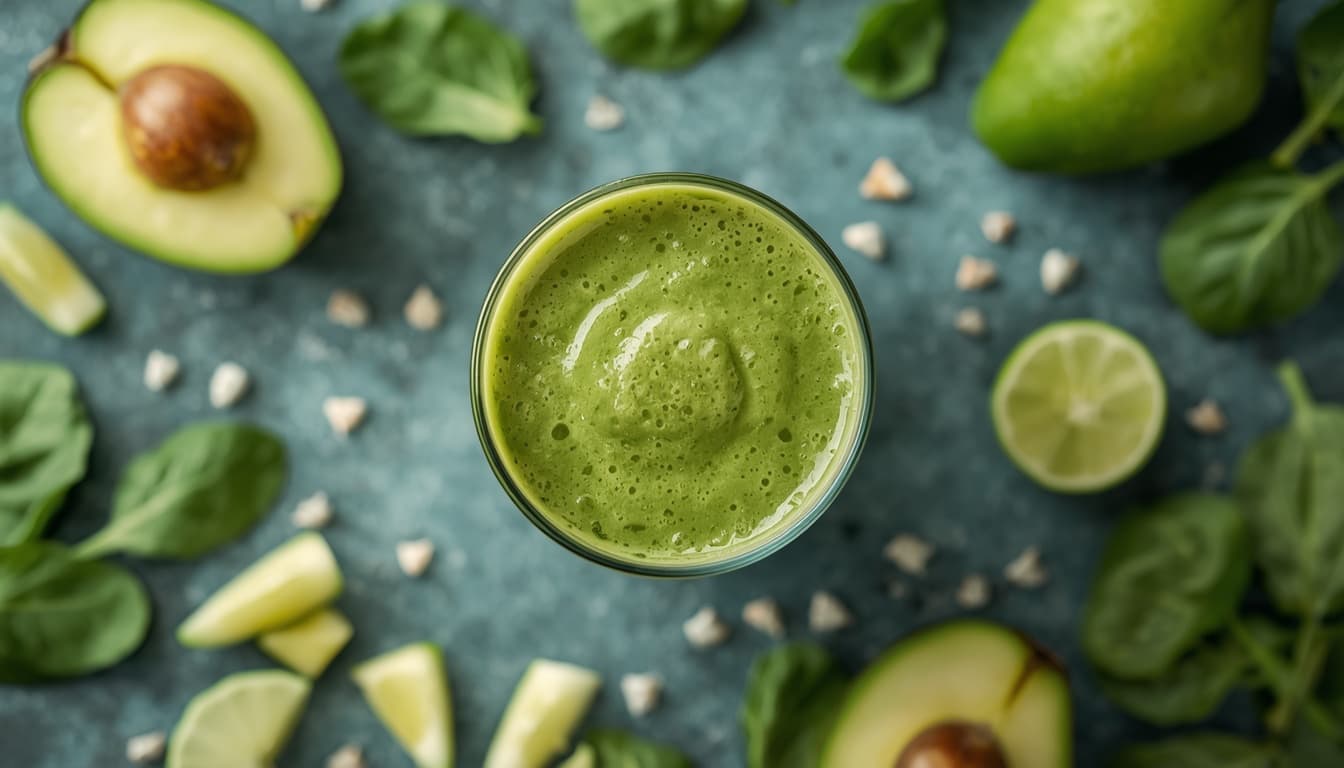
Green Apple Avocado Glow
A smooth green smoothie with crisp apple, creamy avocado, spinach and fresh lime.
Brain
Bones
Blood Pressure
Digestion
Immune System
Skin
Heart
Discover our collection of smoothies for digestion, made with fruit, leafy greens, chia seeds, ginger and other nutrient-rich ingredients. These recipes provide a delicious way to…
A smooth green smoothie with crisp apple, creamy avocado, spinach and fresh lime.
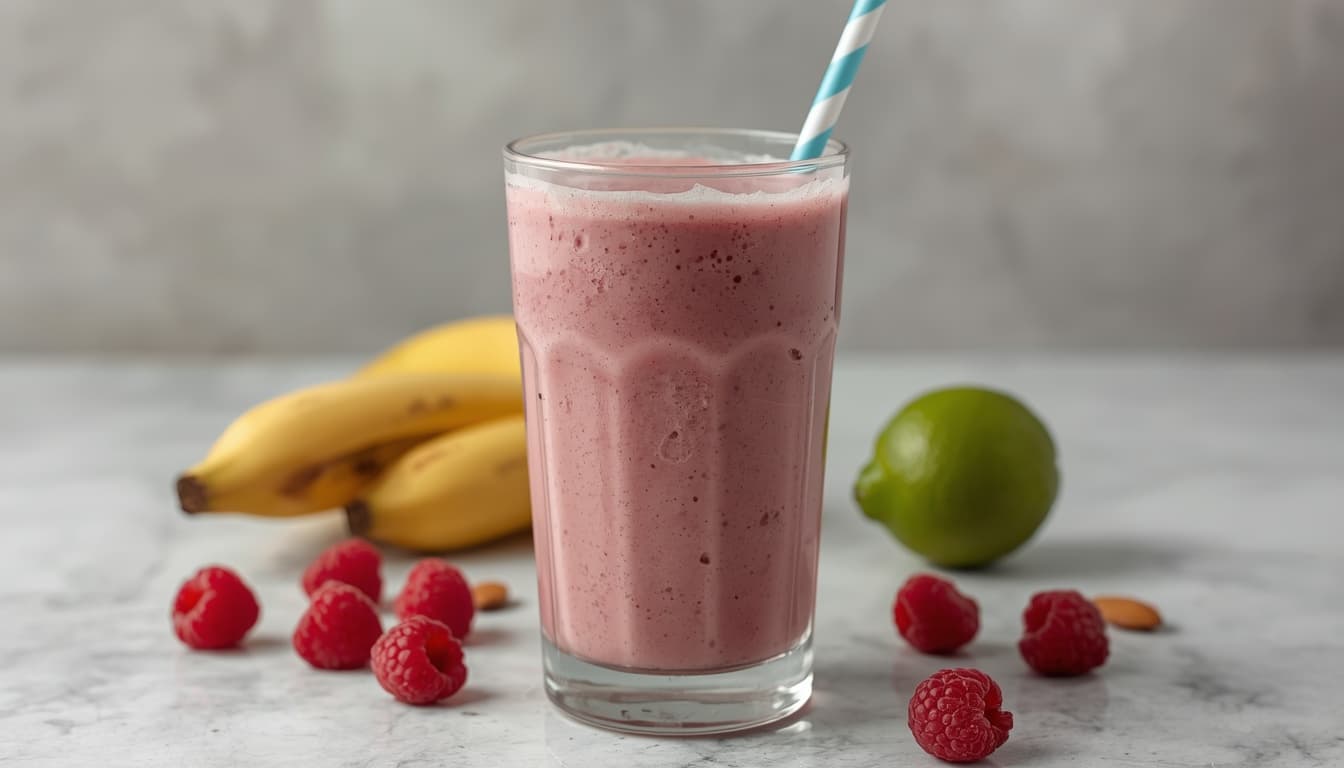
A creamy raspberry smoothie with banana and almond, finished with a bright touch of lime.
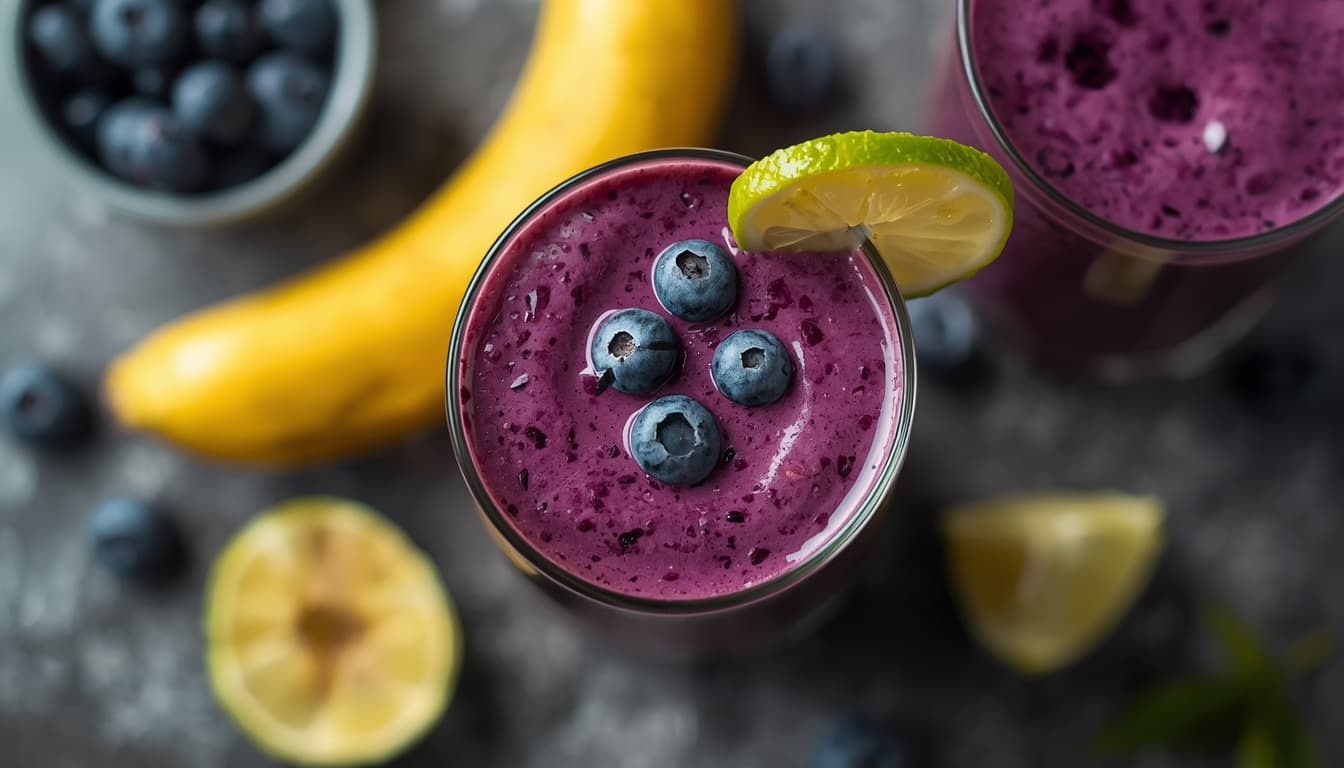
A velvety blueberry and avocado smoothie with banana, milk and lime for a creamy, fresh finish.
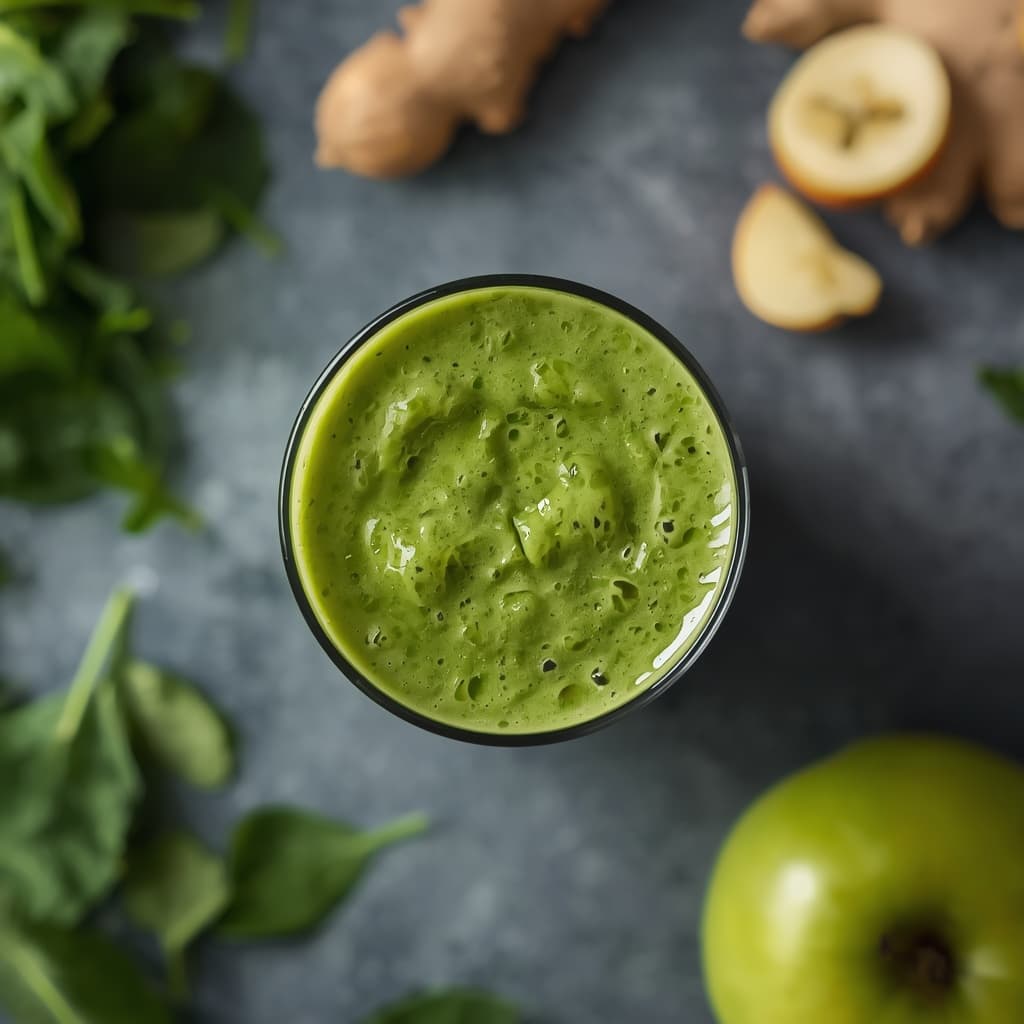
A crisp green smoothie combining apple, spinach, ginger and lime for a fresh, lively flavour.
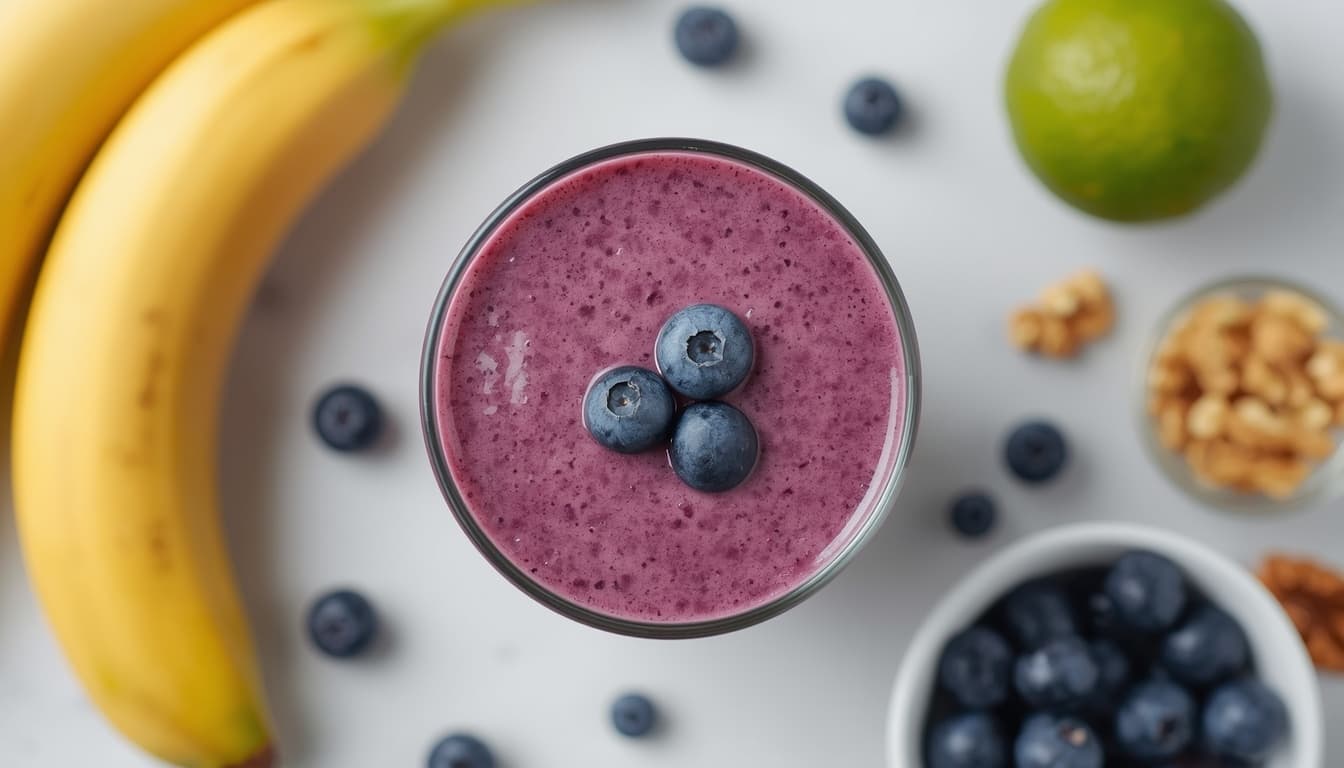
A creamy blueberry smoothie with banana, walnuts and a touch of lime for a rich, bright finish.
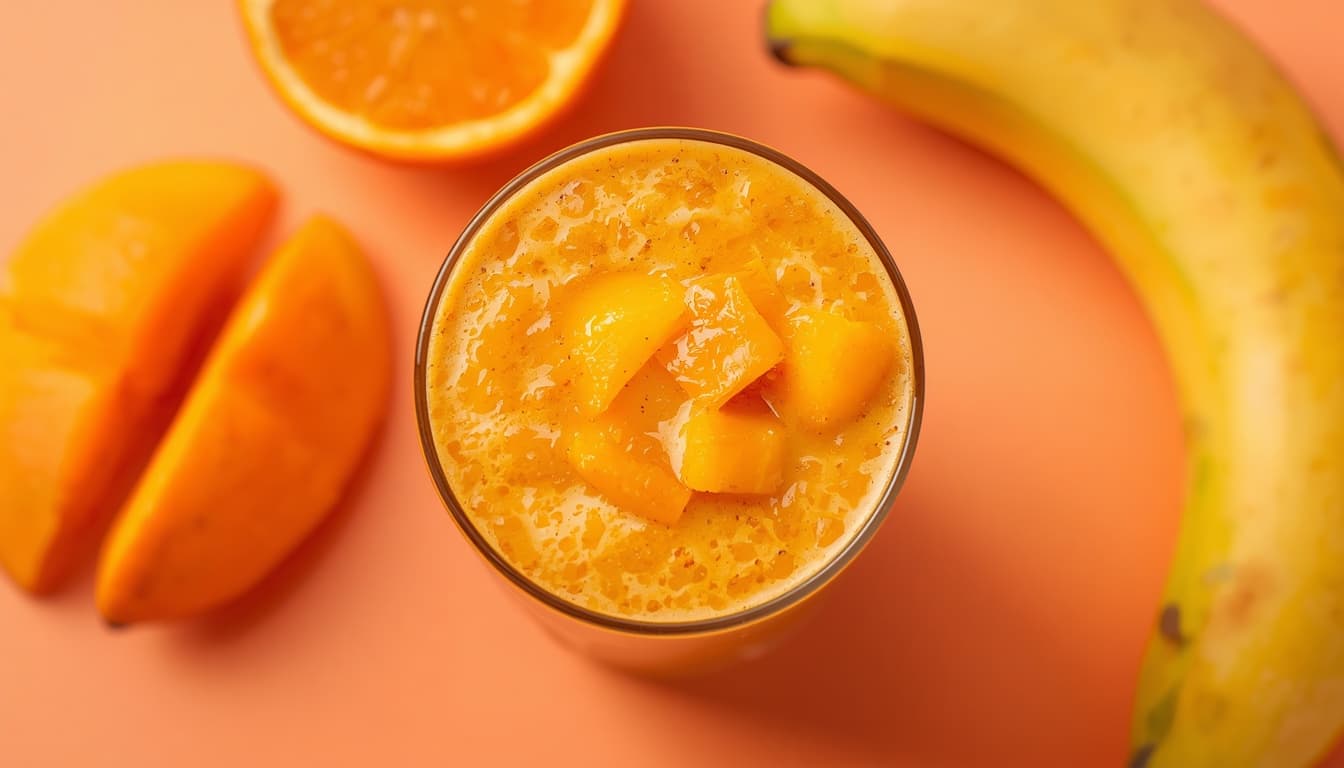
A sunny carrot and mango smoothie with orange, banana and a smooth, naturally sweet tropical finish.
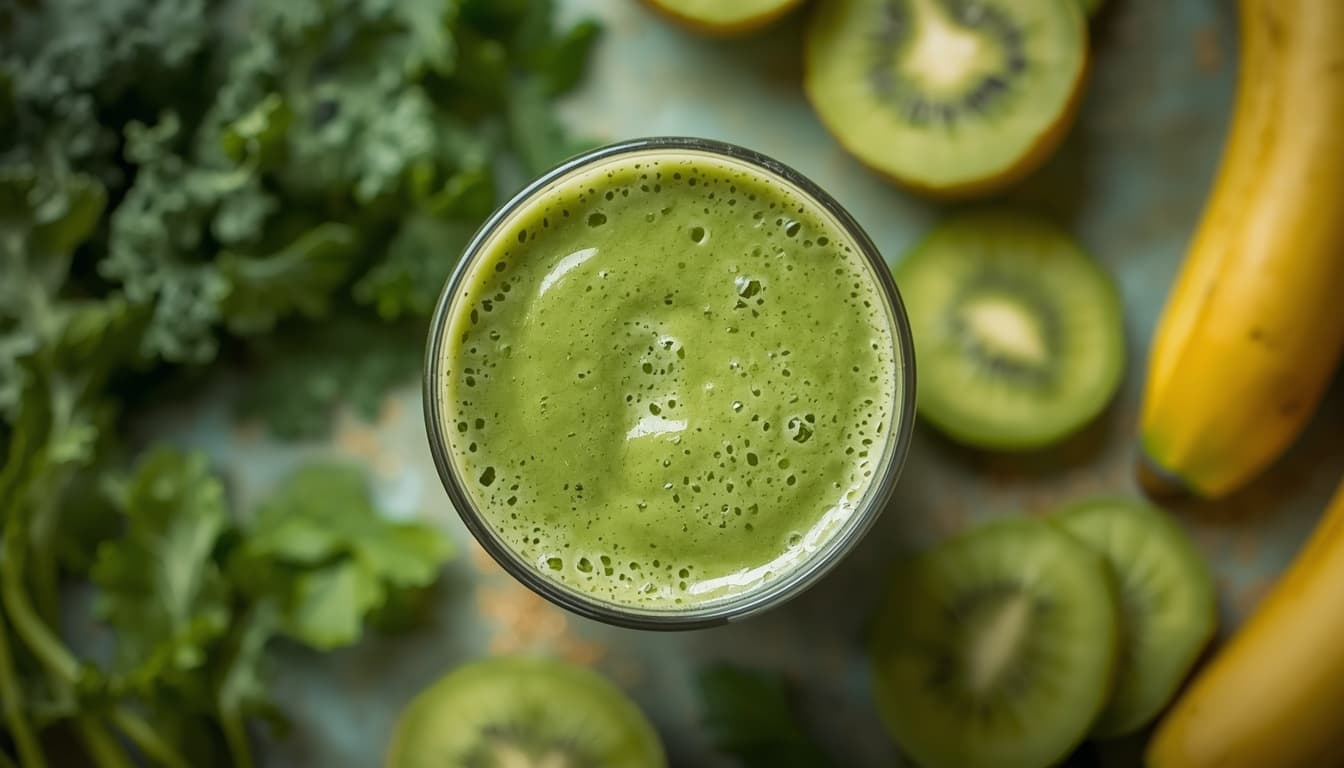
A fresh kale and kiwi smoothie with banana and lime for a bright, crisp and vibrant green blend.
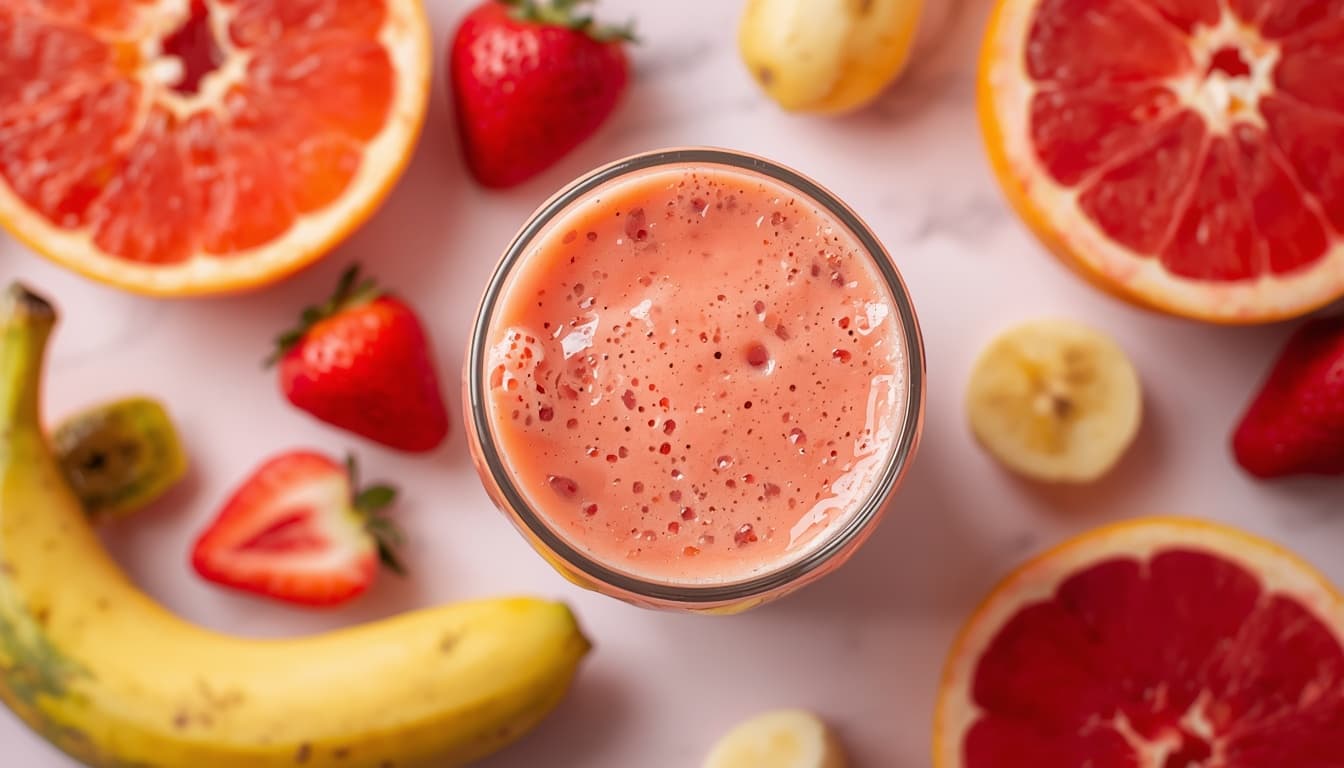
A bright strawberry grapefruit smoothie with avocado for a creamy texture and a refreshing citrus finish.
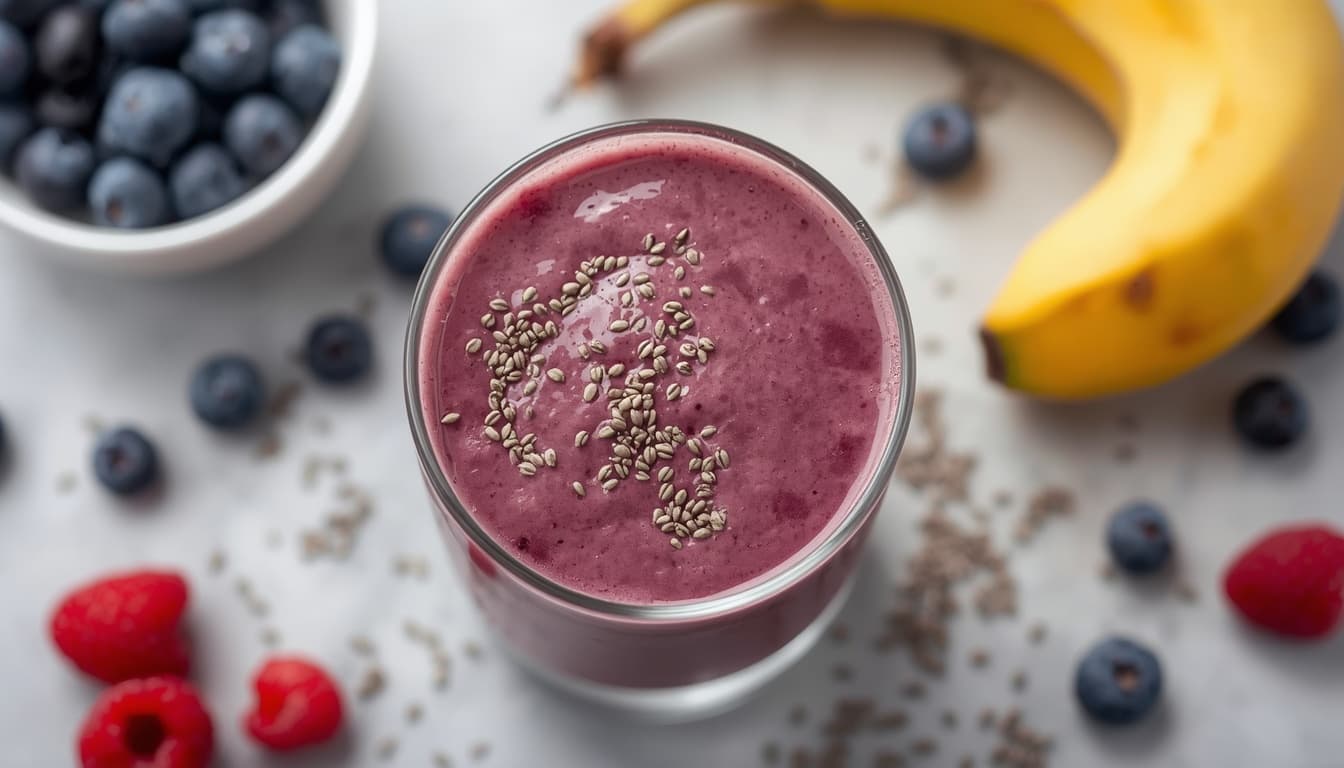
A thick purple berry smoothie with blueberries, raspberries, banana and chia seeds for a cool, velvety finish.
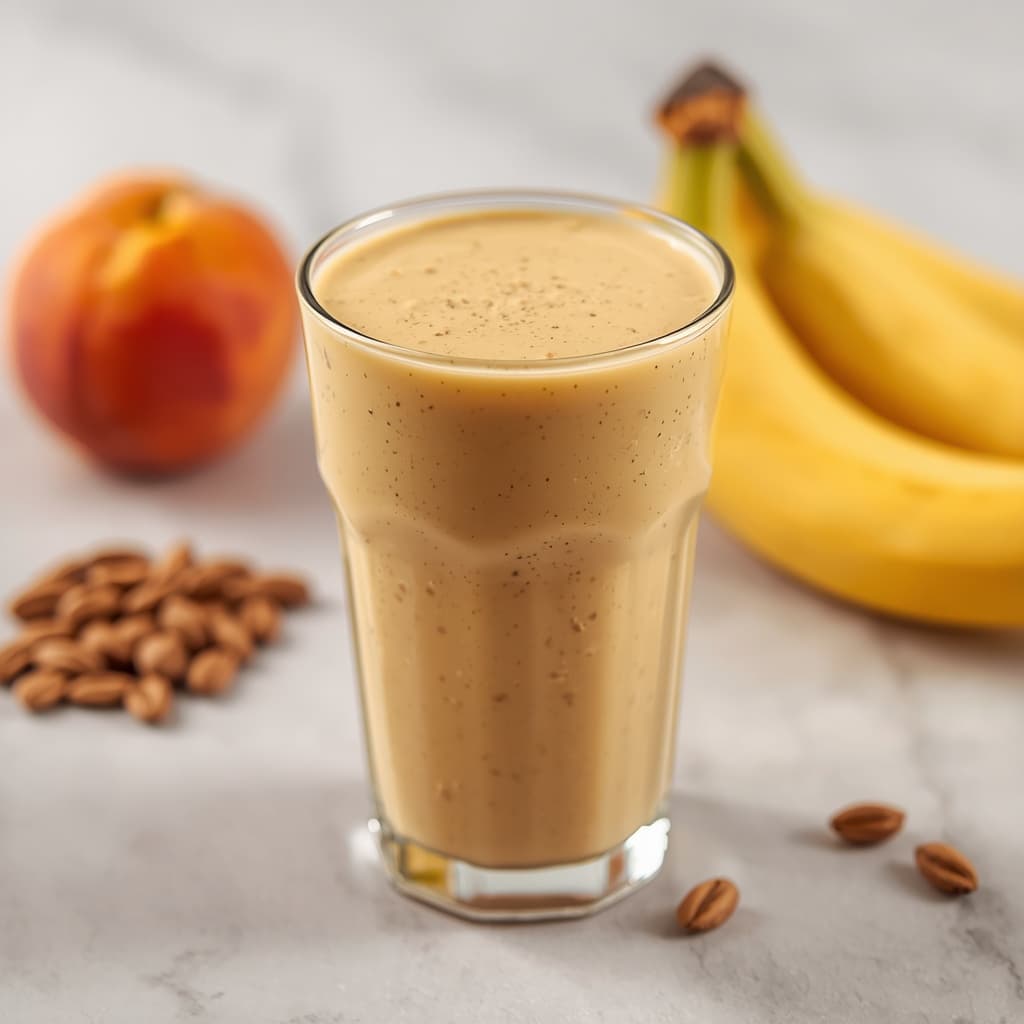
A creamy peach and banana smoothie with hazelnut for a mellow, smooth and gently nutty finish.
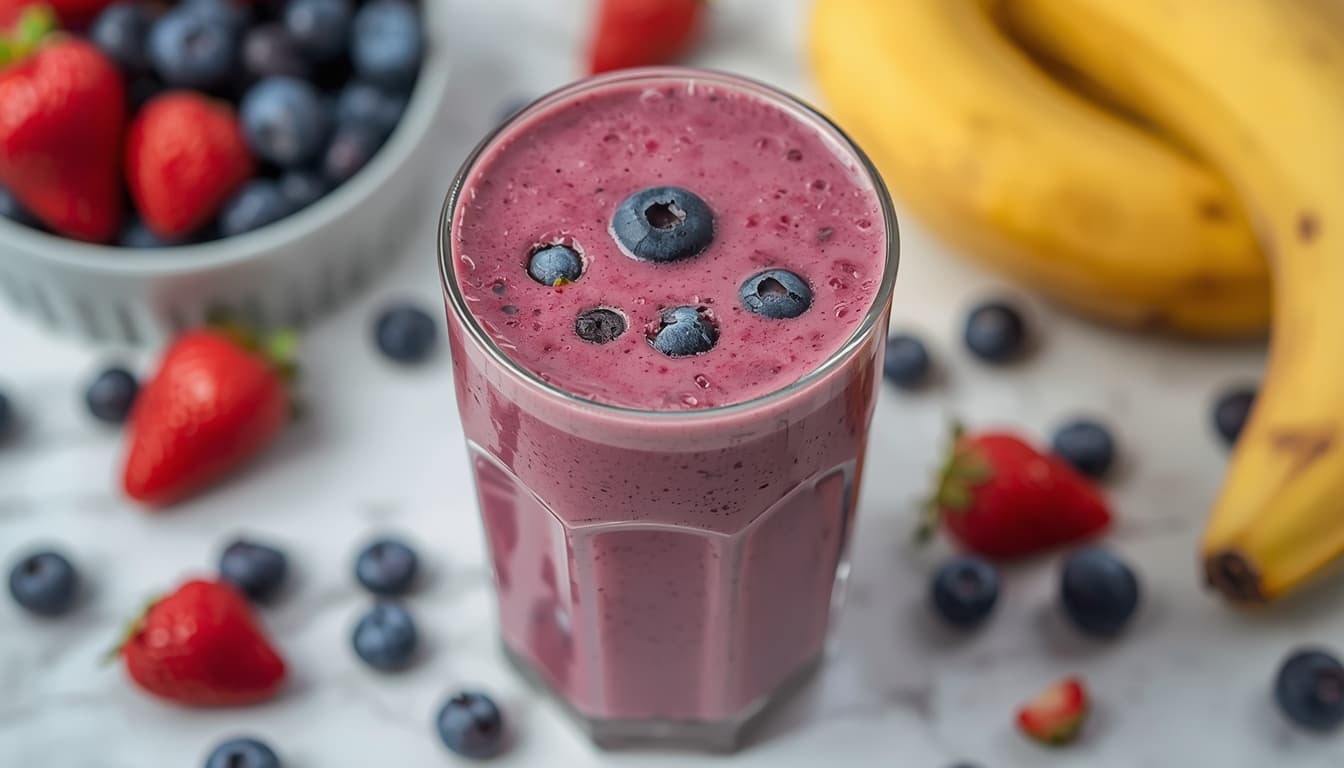
A thick banana smoothie with blueberry and milk, blending into a creamy purple drink with a mellow berry finish.
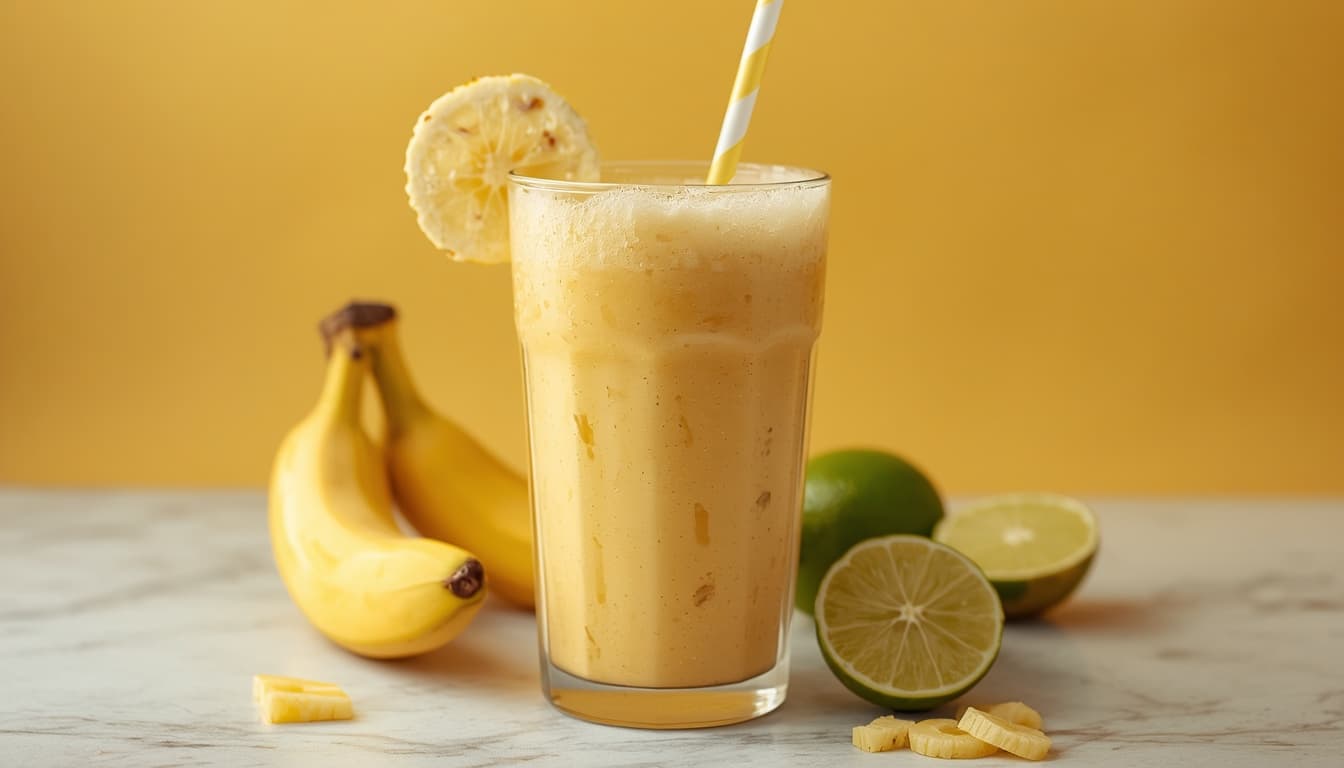
A creamy banana and pineapple smoothie with lime for a juicy, tropical and refreshing finish.
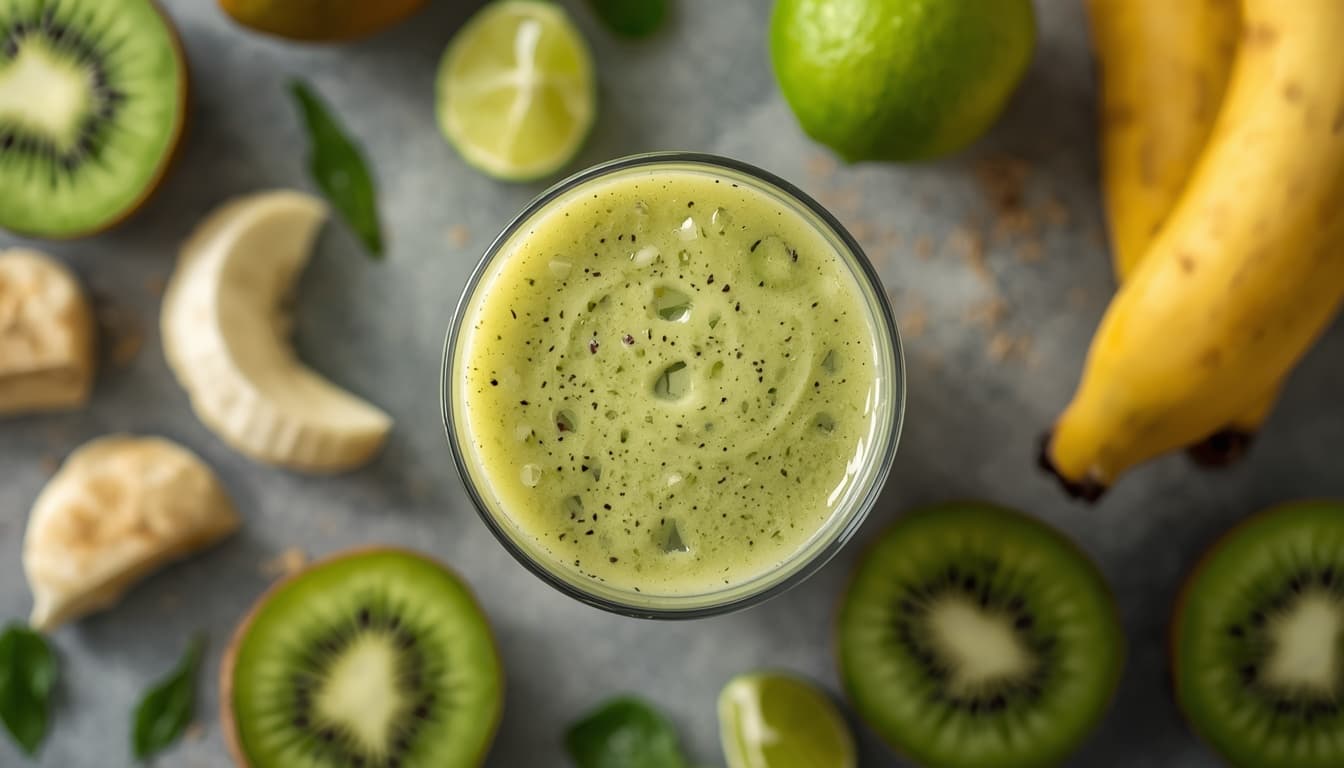
A creamy banana and kiwi smoothie with a bright citrusy character and refreshing finish.
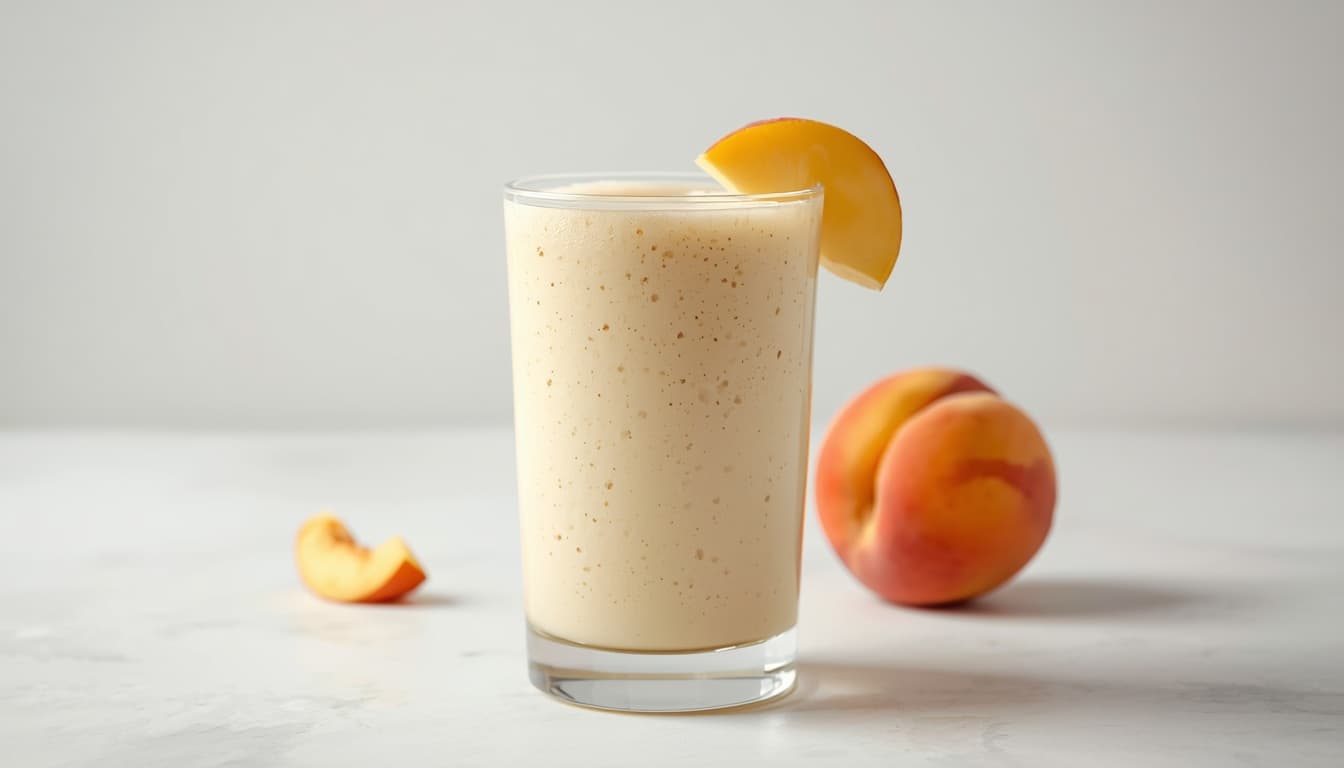
A soft and creamy banana smoothie with ripe peach and milk for a delicate, fruity finish.
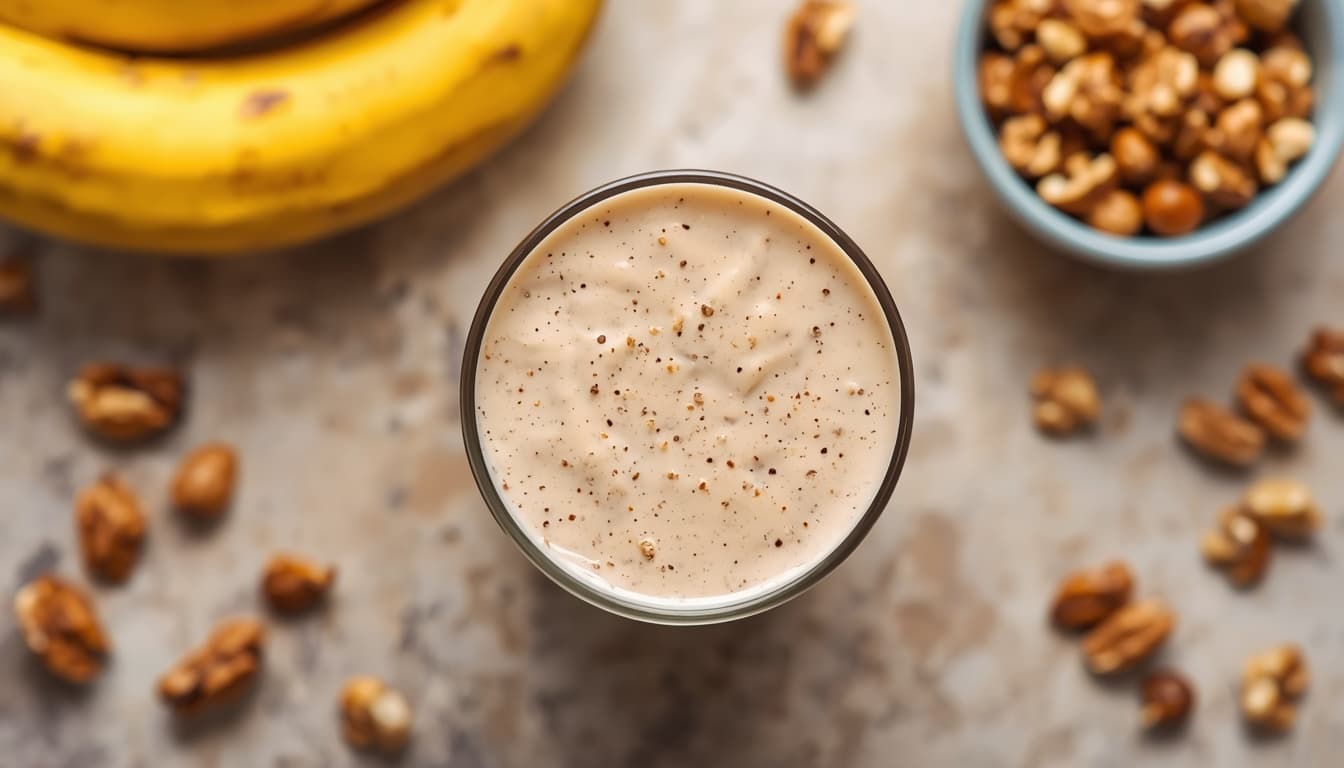
A rich banana and walnut smoothie with milk for a creamy, naturally sweet and satisfying blend.
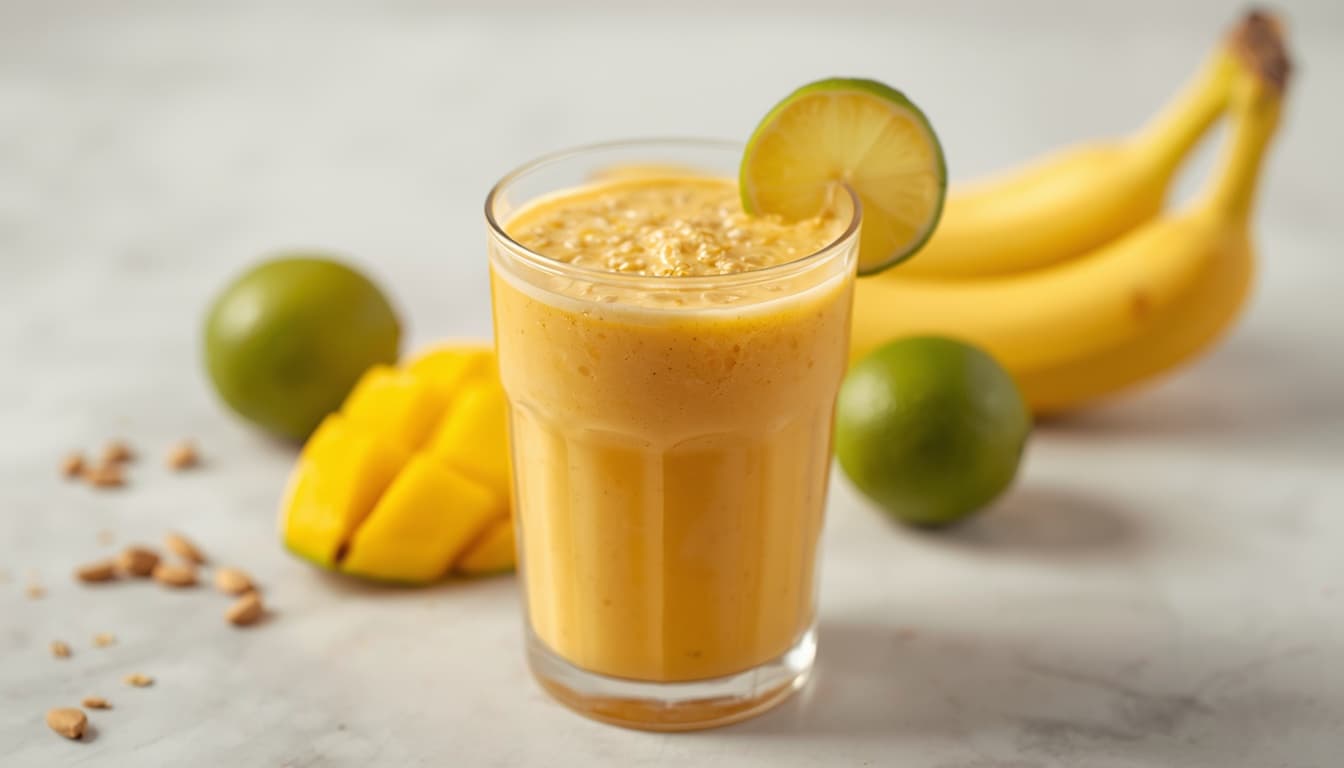
Rich banana and tropical mango create a golden, velvety smoothie with a soft fruity finish.
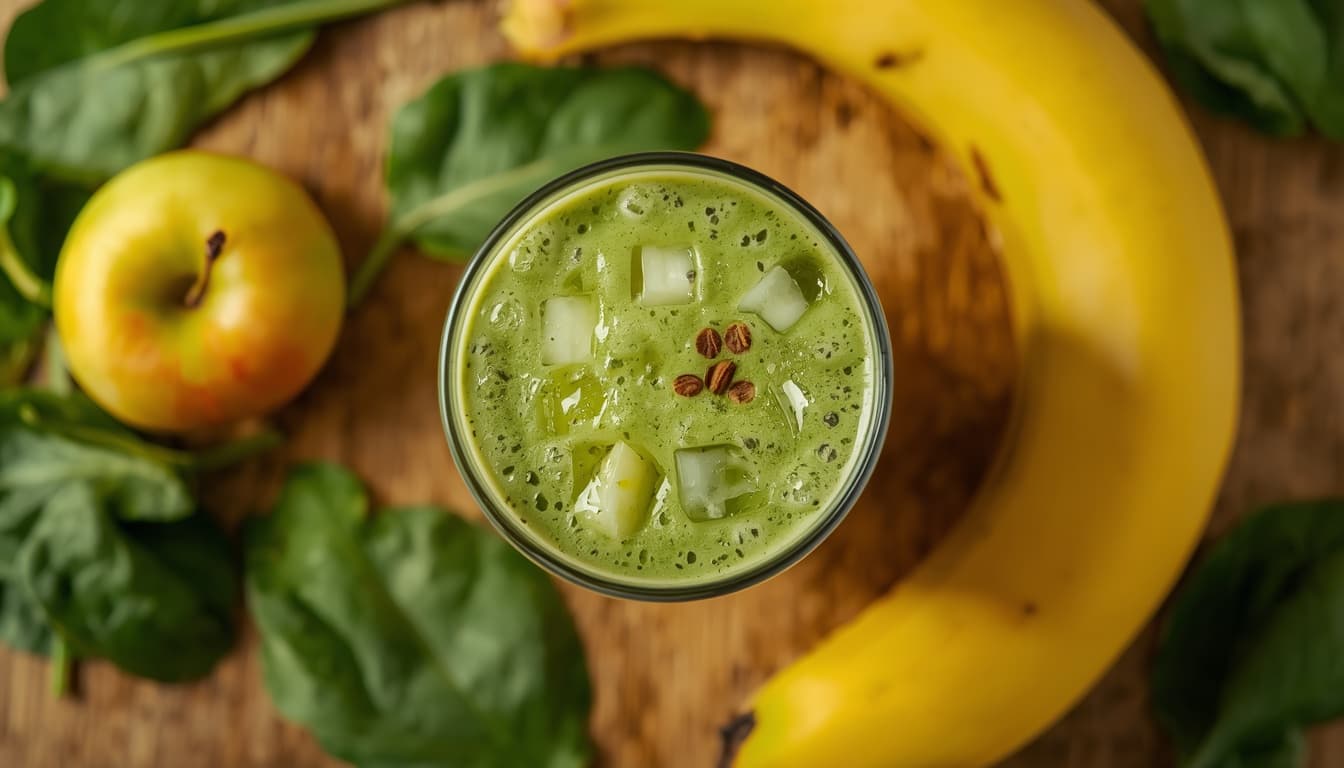
Creamy banana softens fresh spinach and apple in a bright green smoothie with a crisp finish.
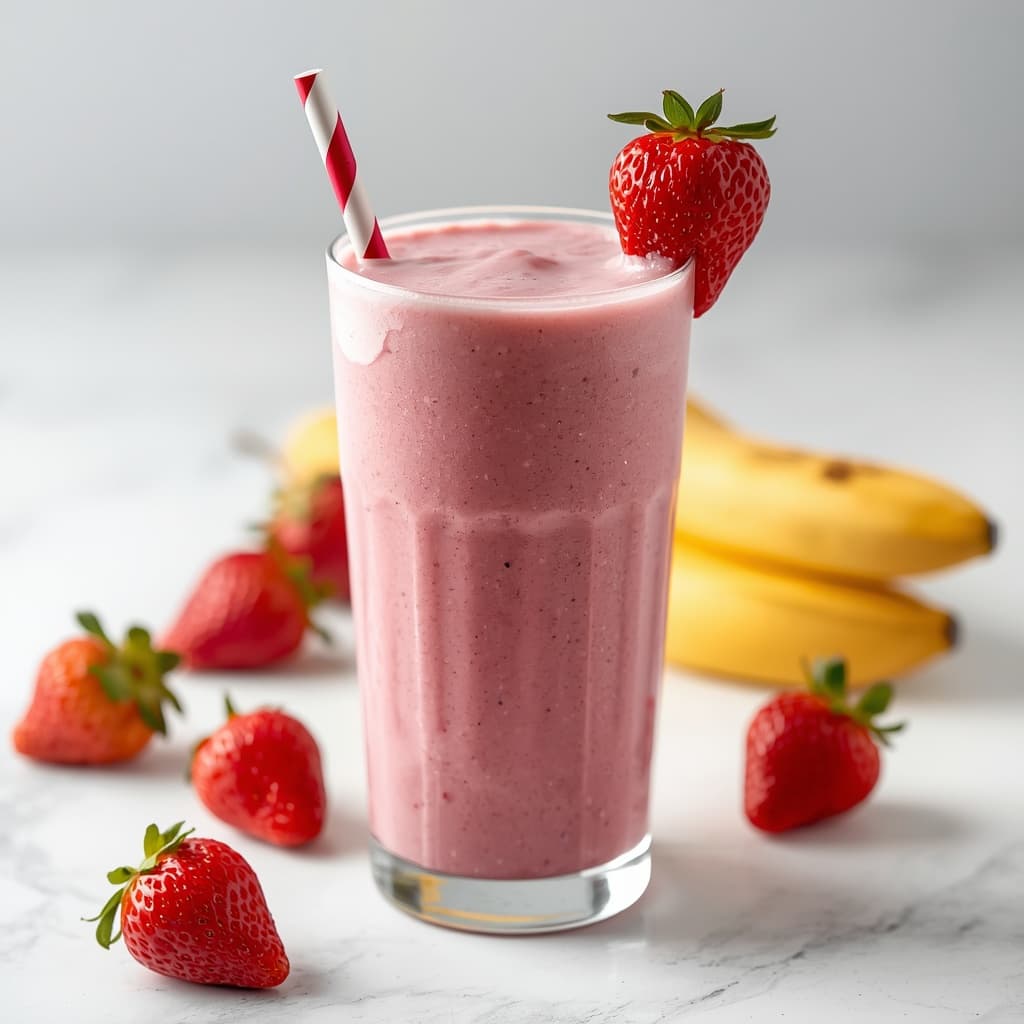
Sweet banana and bright strawberry blend into a soft pink smoothie with a creamy finish.
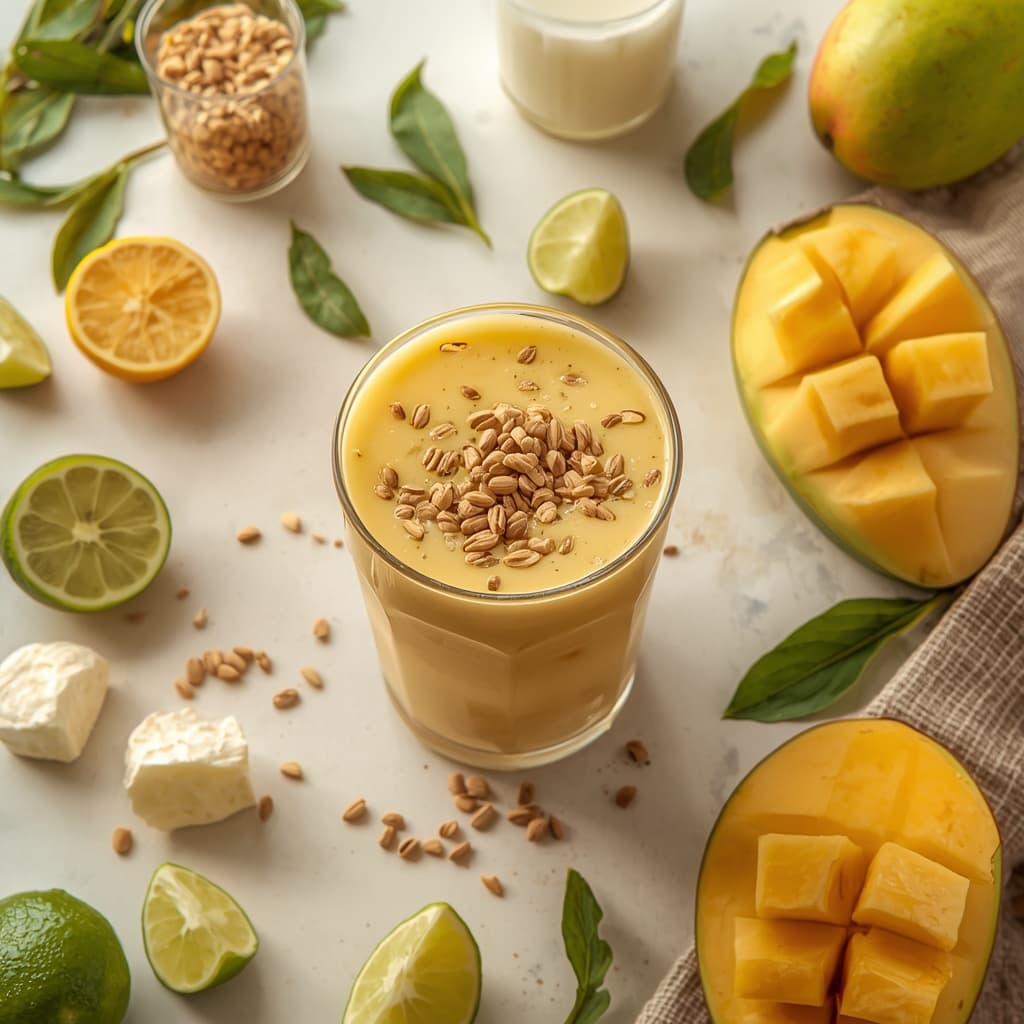
A creamy mango smoothie with banana, milk and lime for a smooth tropical flavour with a refreshing citrus finish.
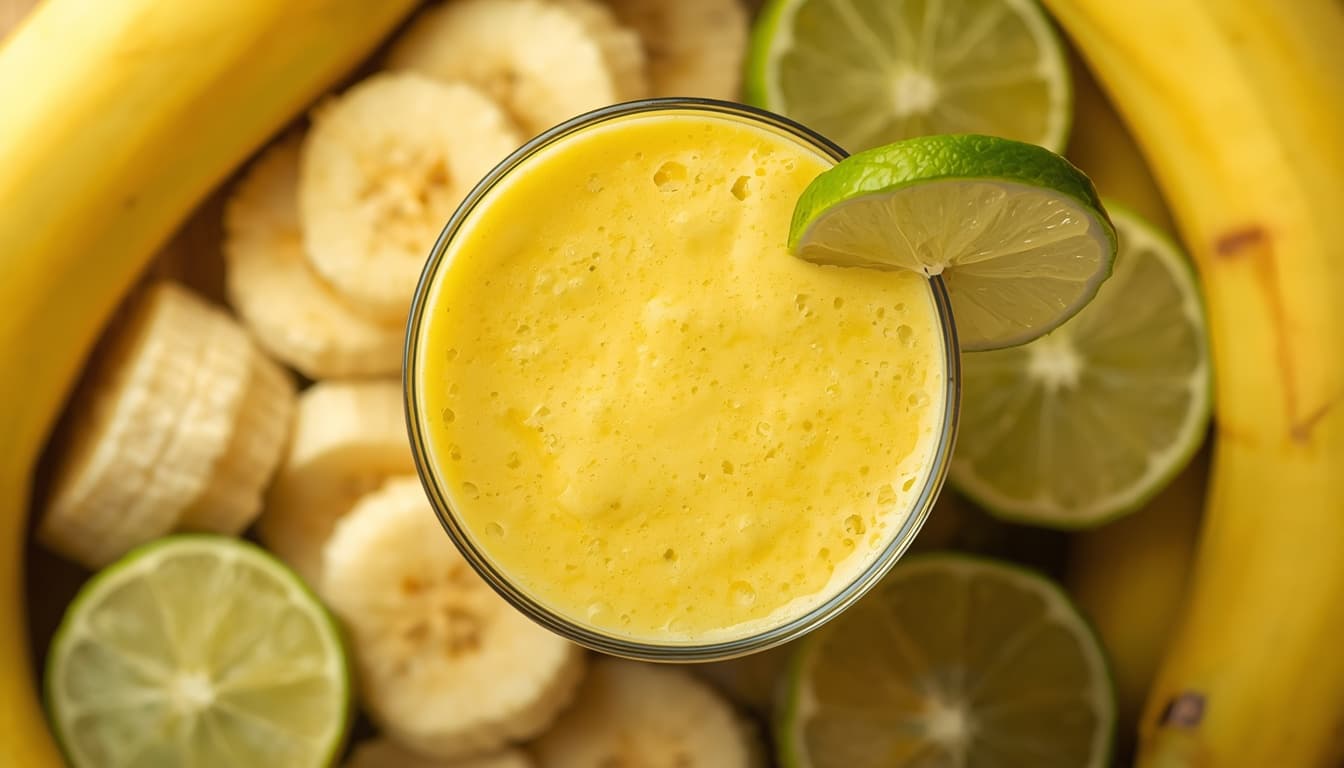
A creamy banana smoothie brightened with fresh lime for a cool, lively and refreshing finis
Curious what a smoothie can do for you? Browse recipes by health benefits
Digestive health is about how well your digestive system functions as it processes the food and drink you consume. Your digestive system breaks food down, absorbs nutrients and water, and moves what your body does not need through the digestive tract.
What you eat can play an important role in everyday digestive wellbeing. A varied diet containing fruit, vegetables, fibre-rich foods and adequate fluids can support normal digestion and help you maintain a healthy eating pattern.
That is the idea behind Fluudie's collection of smoothies for digestion. These recipes combine fruits, vegetables, seeds and other ingredients that can contribute fibre and fluids to your diet while keeping the flavours fresh, enjoyable and varied.
You'll find ingredients such as kiwi, apple, pineapple, raspberries, strawberries, spinach, kale, chia seeds, ginger, orange and avocado throughout the collection. Each ingredient also has a practical purpose in the smoothie, contributing sweetness, acidity, freshness, creaminess, texture or nutritional value.
There is no single ingredient that guarantees good digestion. Instead, digestive wellbeing is supported by your overall eating pattern, fluid intake, activity levels and individual tolerance to different foods.
The smoothies in this collection focus particularly on ingredients that can contribute fibre and fluids. They also provide an easy way to include a wider variety of fruits and vegetables in your diet.
Fibre is one of the most important reasons to include plenty of plant foods in your diet. It passes through the digestive system differently from other types of carbohydrate and can contribute to normal bowel function.
Fruits such as raspberries, strawberries, apples, kiwi, mango and pineapple can contribute fibre, while ingredients such as chia seeds can add even more.
Keeping whole fruit in a smoothie rather than removing the edible parts also helps retain the fibre naturally present in the fruit.
Chia seeds are particularly useful in digestion-focused smoothies because they contain a substantial amount of fibre.
They also absorb liquid, which can make a smoothie noticeably thicker after blending. This makes chia a useful ingredient when you want a more substantial, spoonable or pudding-like smoothie texture.
Berry smoothies are an especially good match for chia seeds. Their mild flavour allows the fruit to remain the star while adding a subtle texture.
Kiwi is a natural fit for a digestion-focused smoothie. It contributes fibre and has a bright, slightly tart flavour that can make a smoothie feel particularly fresh.
Kiwi works well with apple, pineapple, spinach and ginger. Banana can be added when you want a softer flavour and creamier consistency.
Apple is another useful fruit for these smoothies. It provides fibre and natural sweetness while adding a crisp, fresh flavour.
Apple works particularly well with green ingredients such as spinach and kale. Adding kiwi, lime or ginger can make the finished smoothie brighter and more aromatic.
When suitable, keeping the apple skin on can help retain more of the fruit's naturally occurring fibre. Wash the apple thoroughly before blending.
Spinach and kale make it easy to include more vegetables in a smoothie without requiring a complicated recipe.
They bring a fresh green character and work especially well with naturally sweet fruit. Banana, mango, pineapple and apple can soften the flavour, while citrus and kiwi add brightness.
Adding leafy greens also gives you another way to increase the variety of plant foods in your diet rather than relying entirely on fruit-based smoothies.
Ginger can bring a distinctive warm, lightly spicy flavour to smoothies.
It works particularly well with pineapple, orange, apple and carrot, where its sharpness can cut through sweetness and give the smoothie a more interesting finish.
Ginger is included primarily for its flavour and character. It should not be presented as a treatment for digestive disorders or as a guaranteed remedy for bloating or nausea.
There is no need to create an enormous ingredient list. A few well-chosen ingredients can create a smoothie with plenty of flavour and a useful nutritional profile.
Kiwi + apple + ginger for a crisp, fresh smoothie with a gentle spicy finish.
Raspberry + strawberry + chia seeds for a thick, berry-forward blend with plenty of fruit character.
Pineapple + ginger + orange for a bright, juicy tropical smoothie.
Apple + spinach + kiwi for a fresh green combination with a crisp finish.
Mango + chia seeds + orange for a smooth, naturally sweet fruit blend.
Avocado + kiwi + spinach for a creamy green smoothie with a fresh, slightly tangy flavour.
The best combination depends on what you enjoy and how your body responds to different foods.
There is no specific time of day when a digestion smoothie becomes more effective.
Instead, choose a time that fits naturally into your eating routine.
A fruit and vegetable smoothie can be a convenient way to include fibre-containing foods at the start of the day.
If you want a more filling breakfast, ingredients such as chia seeds, avocado, banana or milk can provide additional texture and substance.
A smaller smoothie can make a refreshing afternoon snack. Fruit-based combinations with kiwi, berries, apple or pineapple are particularly suitable when you want something light and fresh.
Smoothies contain liquid from their water or milk base as well as water naturally present in many fruits and vegetables. They can therefore contribute to your overall fluid intake.
They should not replace your normal water intake, but a refreshing smoothie can be one enjoyable part of staying adequately hydrated.
There is no need to follow a special smoothie schedule for digestive health. What matters more is your overall diet and the way different foods fit into your individual routine.
Some smoothies can contribute to a diet that supports normal bowel function because they contain fibre and fluids.
Ingredients such as kiwi, raspberries, apples, chia seeds and leafy greens can contribute fibre, while the liquid base adds fluid to the recipe.
However, individual responses to fibre vary. Increasing fibre very quickly can cause digestive discomfort for some people, particularly if fluid intake is not adequate.
If you are increasing your fibre intake, it can be sensible to do so gradually and pay attention to how your body responds.
Persistent constipation, severe abdominal pain, blood in the stool or other ongoing digestive symptoms should be discussed with a qualified healthcare professional.
Smoothies can be one way of including a wider range of plant foods in your diet, which is useful because different plant foods provide different types of fibre and naturally occurring compounds.
Fruit, vegetables and seeds can all contribute to dietary variety. Ingredients such as berries, kiwi, apples, leafy greens and chia seeds therefore make useful building blocks for a varied smoothie collection.
At the same time, not everyone responds to every ingredient in the same way. Some people may find large amounts of certain fruits, seeds or other high-fibre ingredients uncomfortable.
There is no universally perfect smoothie for digestion. The best recipe is one that provides nutritious ingredients while also agreeing with your own digestive system.
Fibre is naturally found in plant foods and is an important part of a balanced diet.
It can help support normal bowel function, which is one reason fruits, vegetables, nuts and seeds are useful ingredients in digestion-focused smoothies.
Some smoothie ingredients are particularly good sources of fibre. Raspberries, chia seeds, apples, kiwi and leafy greens can all contribute fibre while also bringing their own flavours and textures to the drink.
One useful advantage of smoothies is that several different plant foods can be combined in a single recipe. That makes it easier to experiment with variety rather than relying on one source of fibre.
For these recipes, blending is the better fit because the whole edible fruit is incorporated into the smoothie rather than separating the juice from the rest of the fruit.
That means ingredients such as apples, berries and kiwi can retain much of the fibre naturally present in the fruit.
This is one reason Fluudie focuses on smoothies rather than presenting fruit juice as an equivalent option. The finished drink can be both refreshing and more substantial because it contains the blended fruit itself.
Fluids are an important part of normal digestion and overall health.
Many of these smoothies use water or milk as their liquid base, while fruits such as orange, pineapple, kiwi and berries also contain naturally occurring water.
A smoothie can contribute to your daily fluid intake, but it should complement rather than replace regular water and other healthy drinks.
There is no need to rely on one supposed "digestive superfood".
Different fruits, vegetables and seeds provide different types and amounts of fibre and other nutrients. Rotating ingredients is therefore a simple way to add variety to your diet.
You might choose a kiwi and ginger smoothie one day, a raspberry and chia blend the next, and a fresh apple and spinach smoothie after that.
This approach also keeps your smoothie routine interesting. A healthy eating pattern is much easier to maintain when you genuinely enjoy what you are eating and drinking.
Fibre is an important part of a balanced diet, but more is not necessarily better for everyone at every moment.
If your usual diet is relatively low in fibre, suddenly adding large amounts through smoothies can sometimes cause temporary digestive discomfort such as gas or bloating.
People with diagnosed digestive conditions may also have individual dietary requirements or foods they have been advised to limit.
If you have a digestive condition or persistent digestive symptoms, follow the advice of your doctor or dietitian rather than assuming that a particular smoothie is appropriate for you.
A smoothie focused on digestion doesn't need to feel like a health remedy.
It can be bright and tropical, crisp and green, thick and berry-rich, or creamy and refreshing.
Try kiwi and ginger when you want something fresh and lively. Choose raspberries and chia seeds for a thicker berry smoothie, or blend pineapple with orange and ginger for a juicy tropical combination.
The goal isn't to find a magical smoothie that fixes digestion. It's to make fibre-rich, varied and nutritious foods easier to enjoy as part of your everyday diet.