4 min
398 kcal
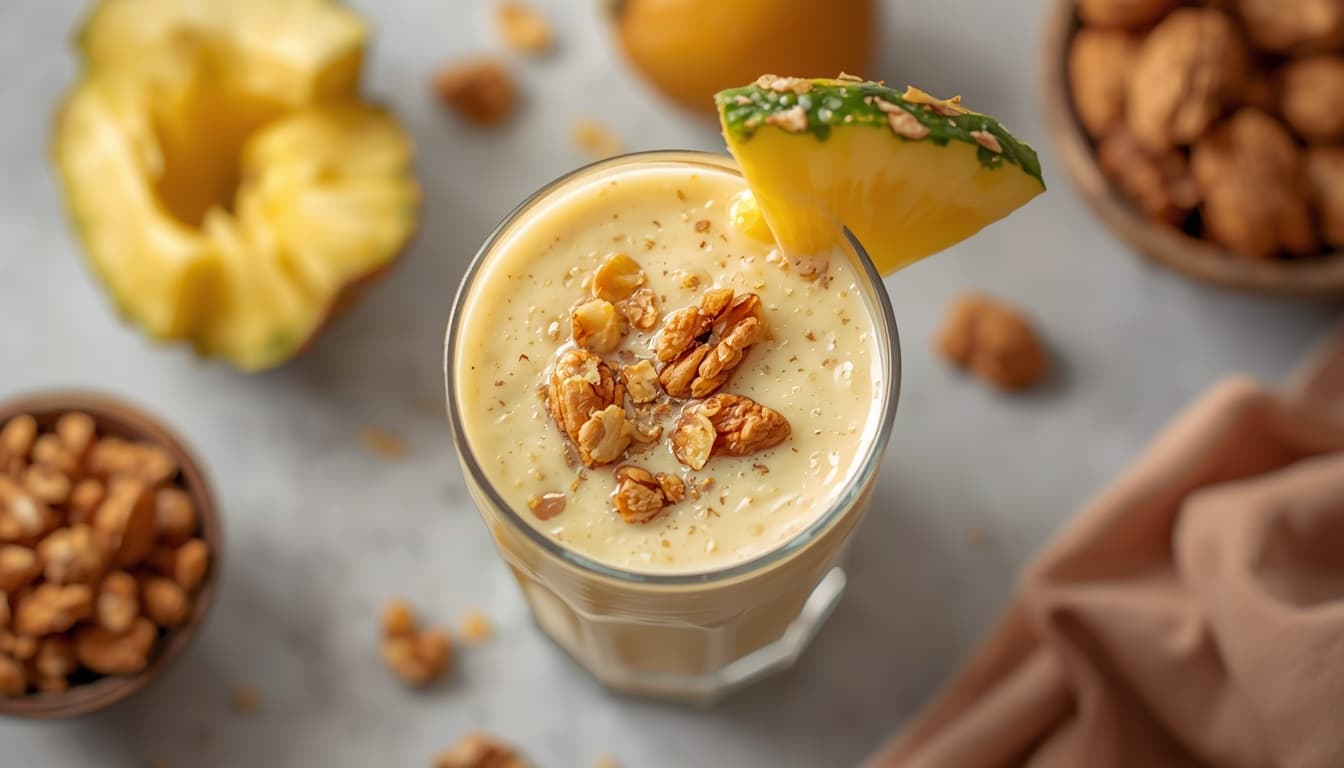
Pineapple Walnut Cream
A creamy pineapple smoothie with walnut and milk, balancing juicy tropical fruit with a subtle nutty finish.
Immune System
Bones
Digestion
Brain
Heart
Skin
Hair
Discover our collection of smoothies for bone health, featuring ingredients such as milk, spinach, kale, chia seeds, almonds, walnuts, avocado, kiwi and berries. These recipes…
A creamy pineapple smoothie with walnut and milk, balancing juicy tropical fruit with a subtle nutty finish.
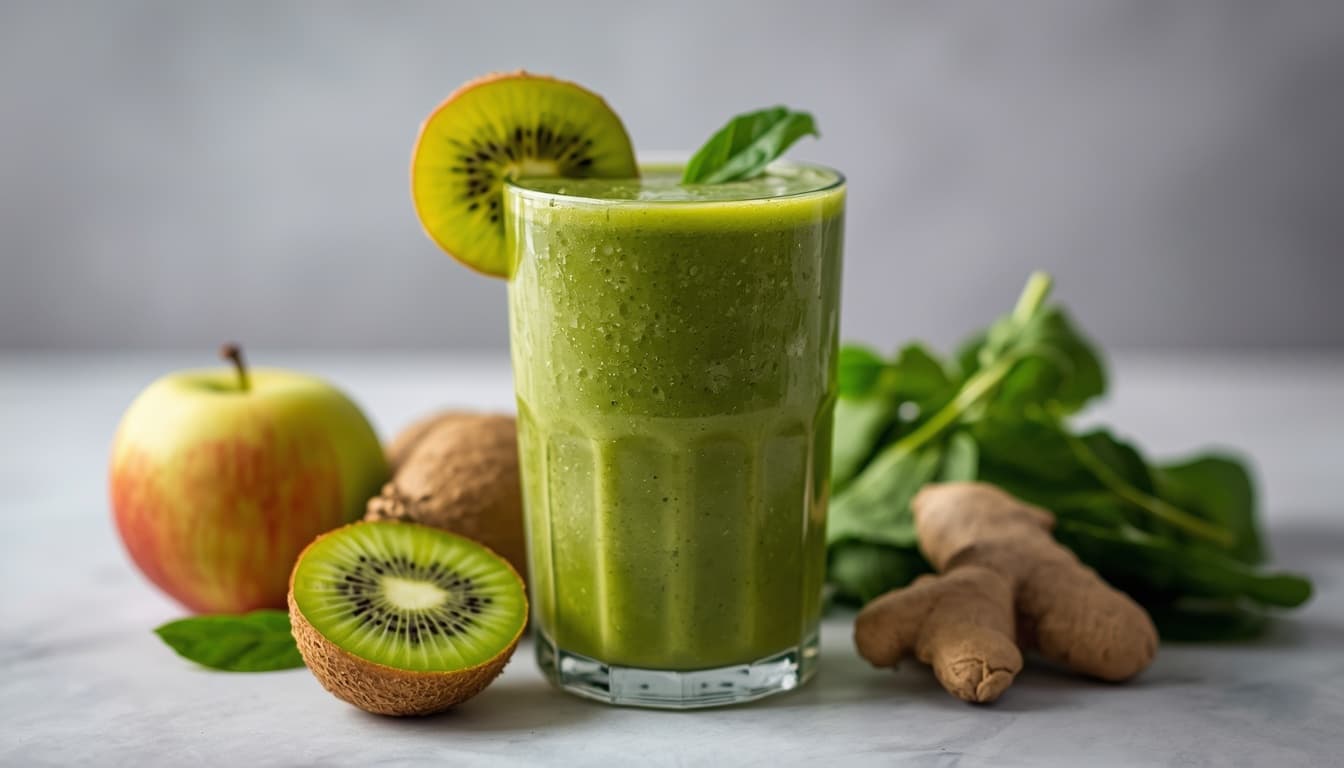
Crisp apple and tangy kiwi create a refreshing green smoothie with spinach and ginger.
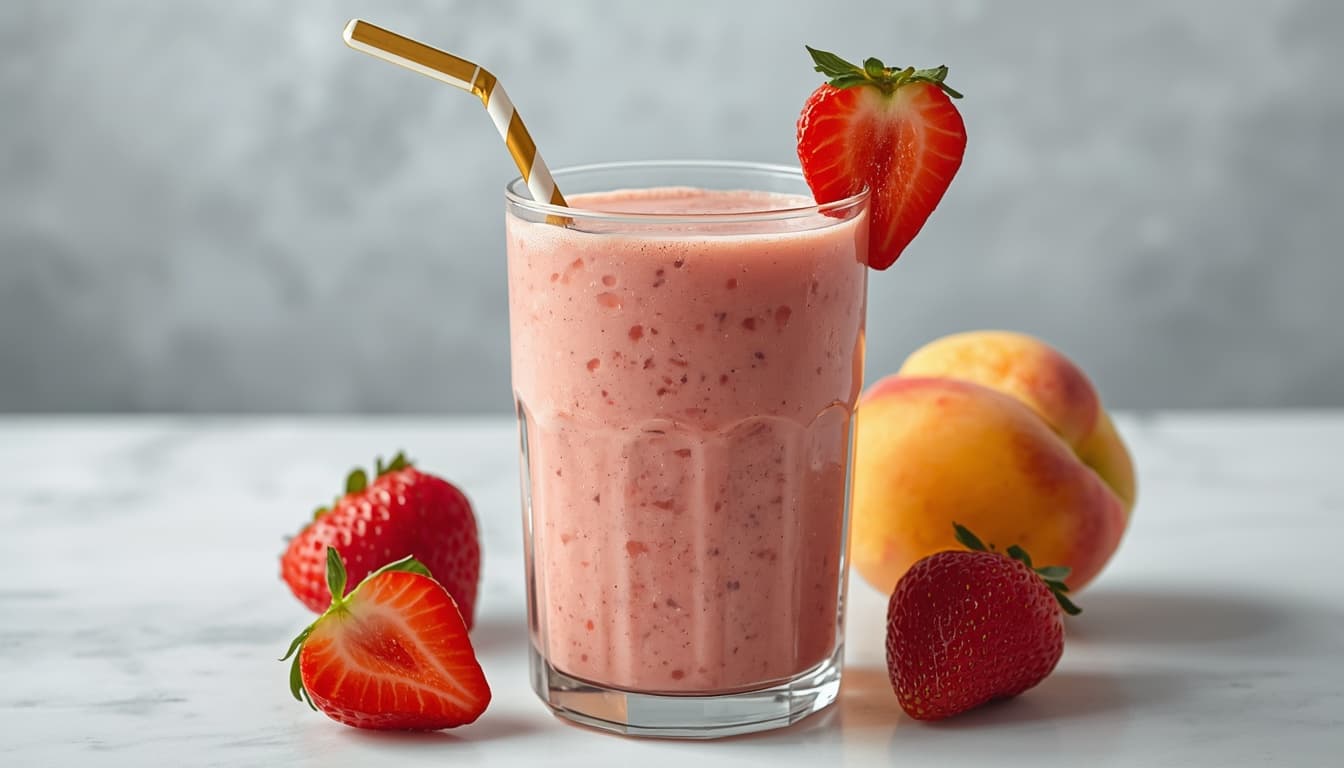
A creamy strawberry and peach smoothie with almond, combining sweet berries with soft, juicy stone fruit.
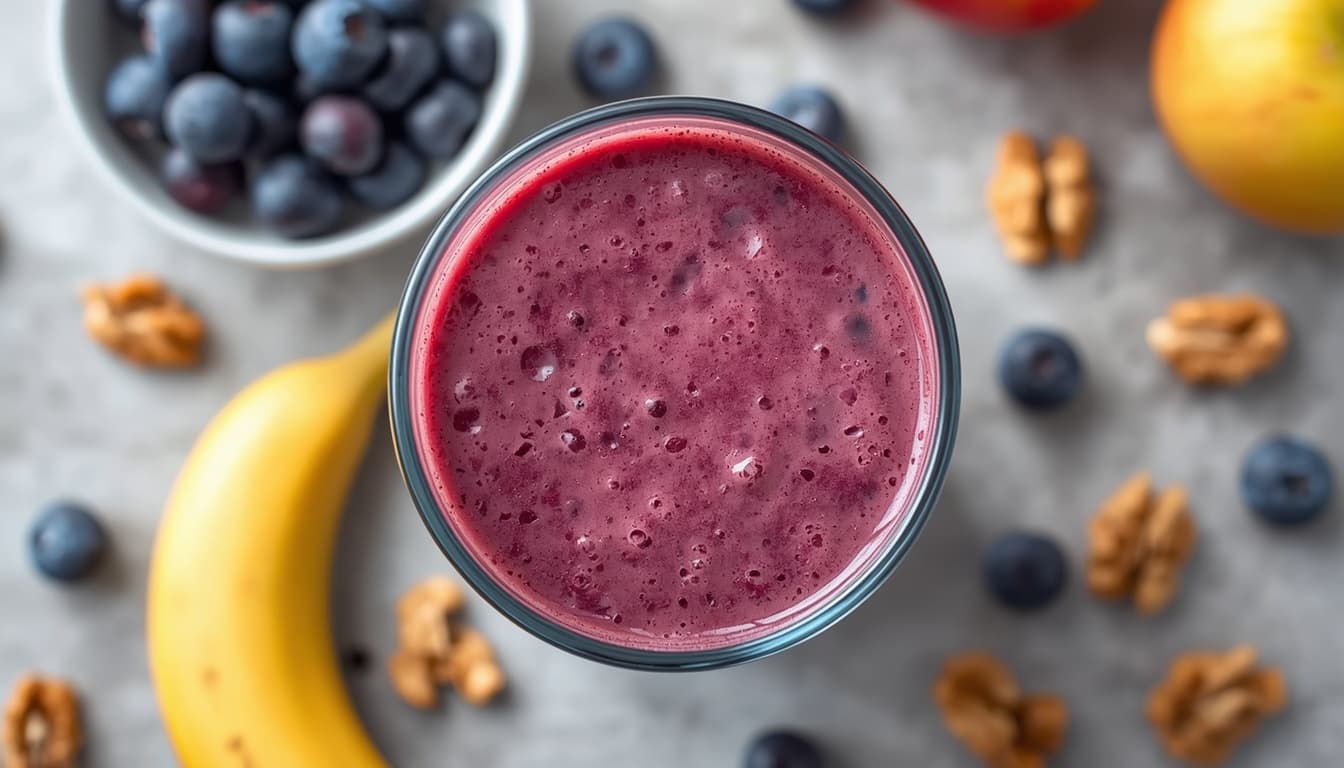
A fruity blueberry and apple smoothie with banana and walnut for a rich, naturally sweet finish.
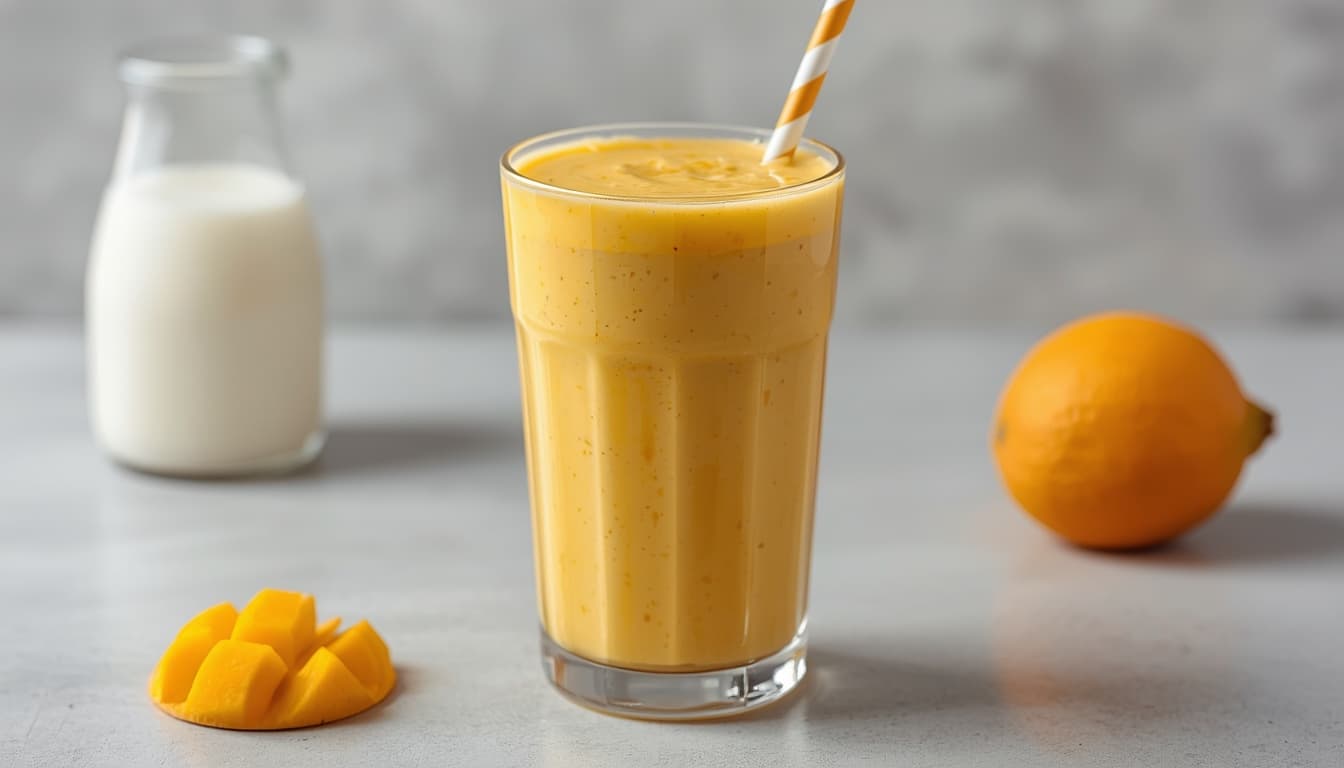
A creamy mango and orange smoothie with banana and milk for a bright, sunny tropical blend.
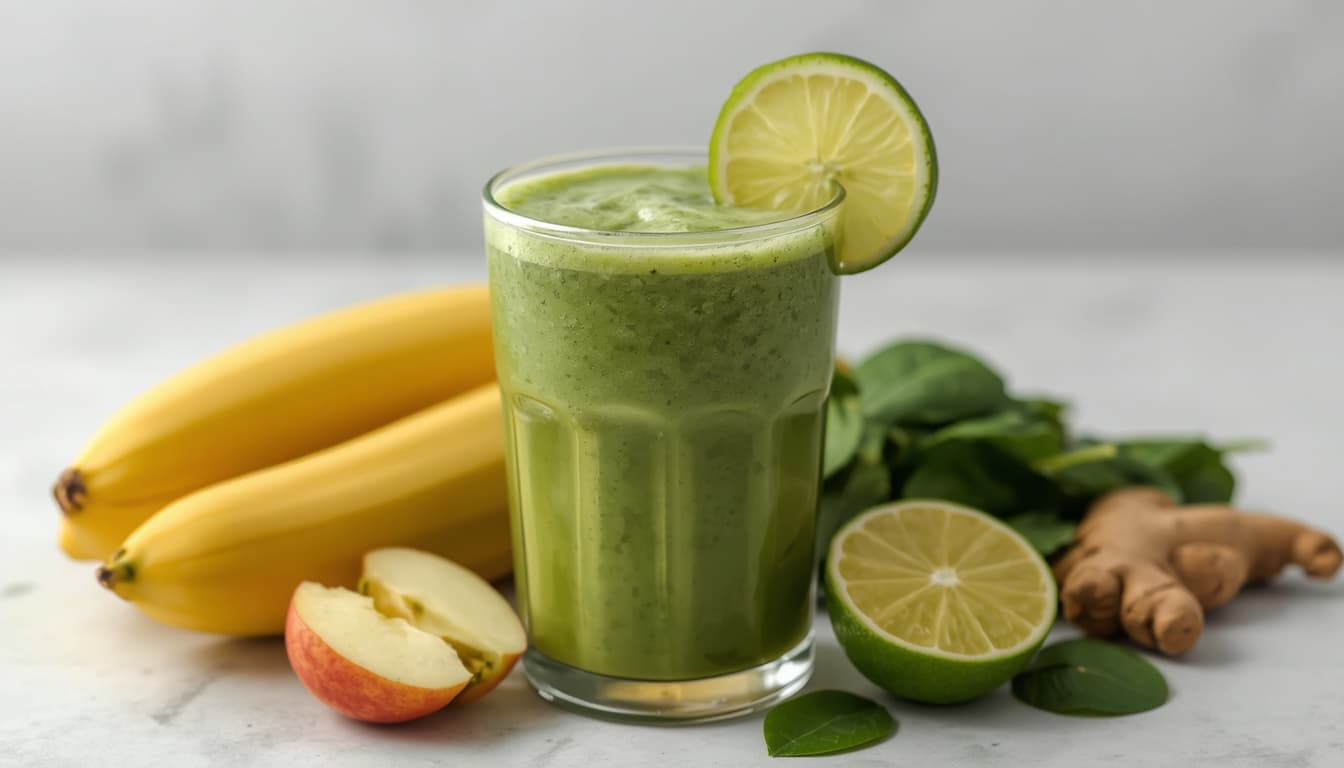
A crisp green smoothie made with apple, spinach, lime and ginger for a fresh, clean finish.
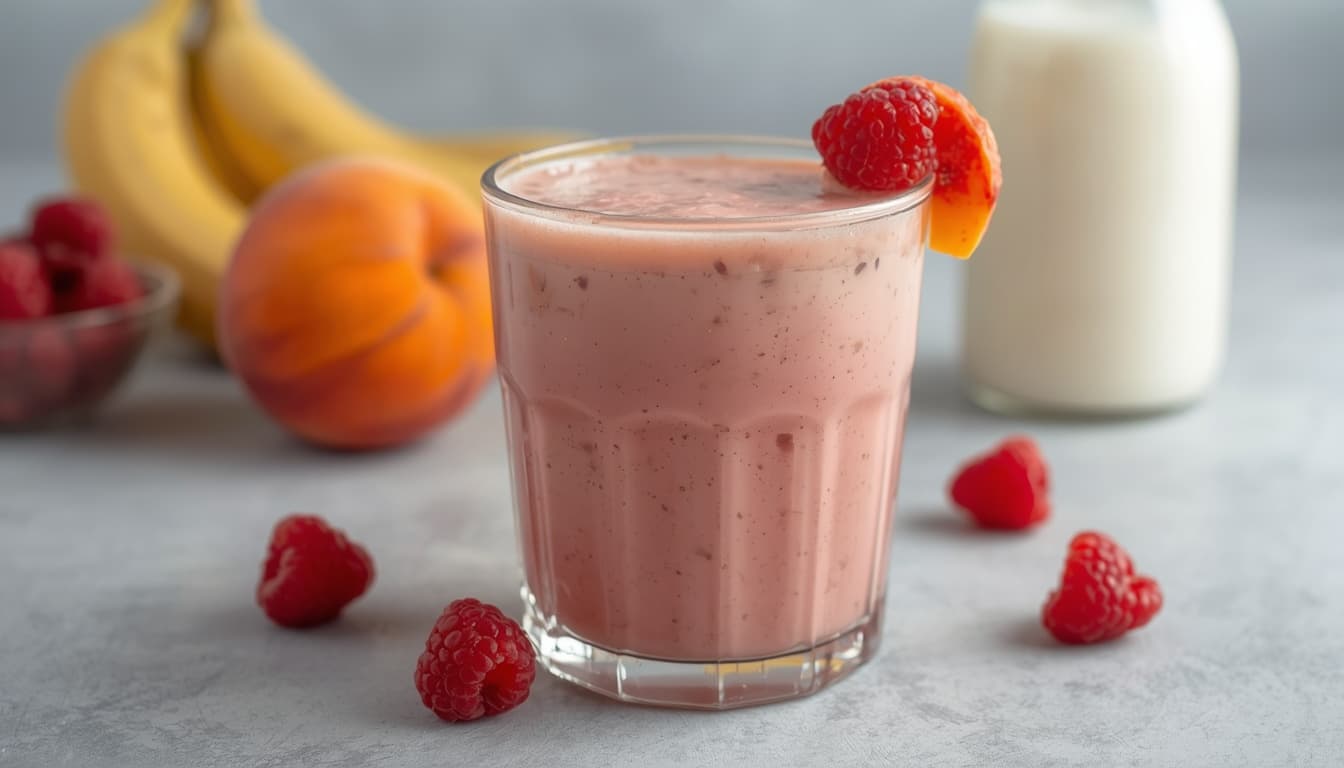
A creamy raspberry and peach smoothie with banana and milk for a soft, naturally sweet berry flavour.
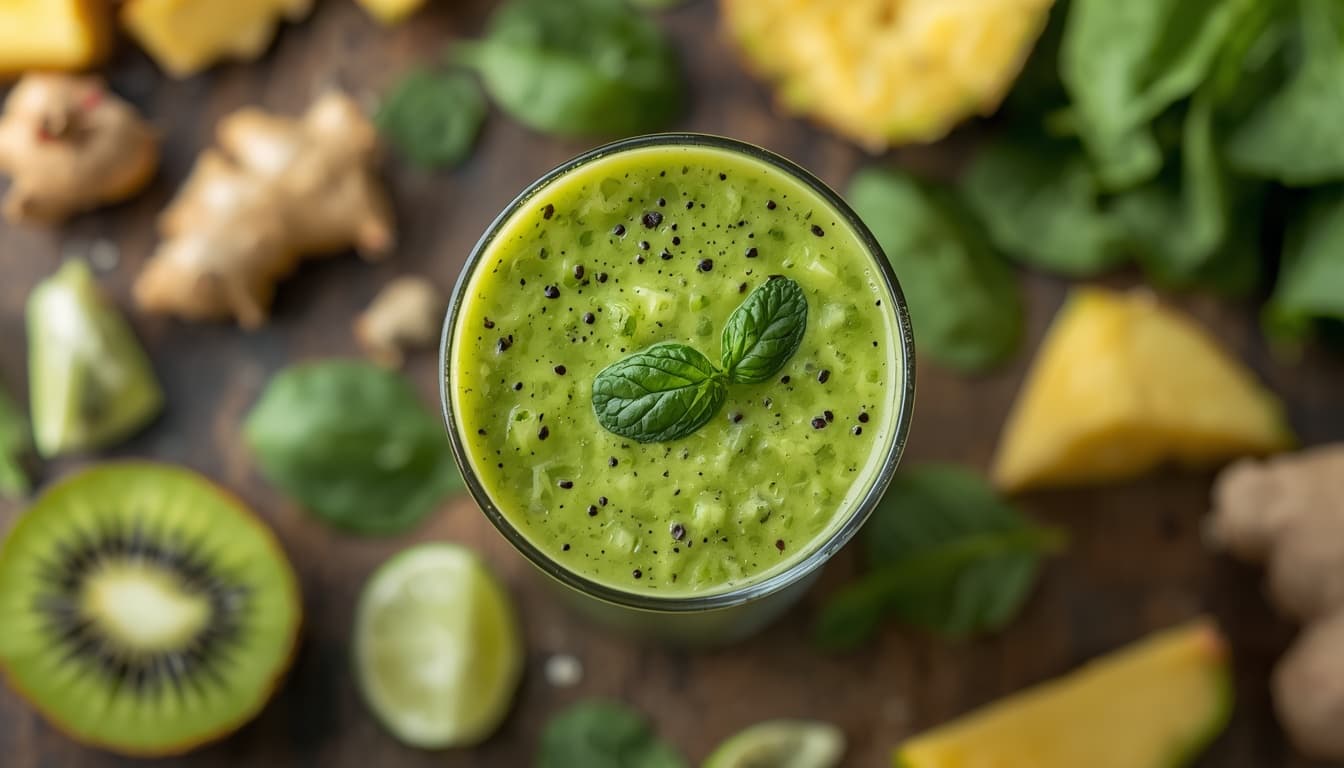
A fresh green smoothie with kiwi, pineapple, spinach, lime and ginger for a bright tropical flavour.
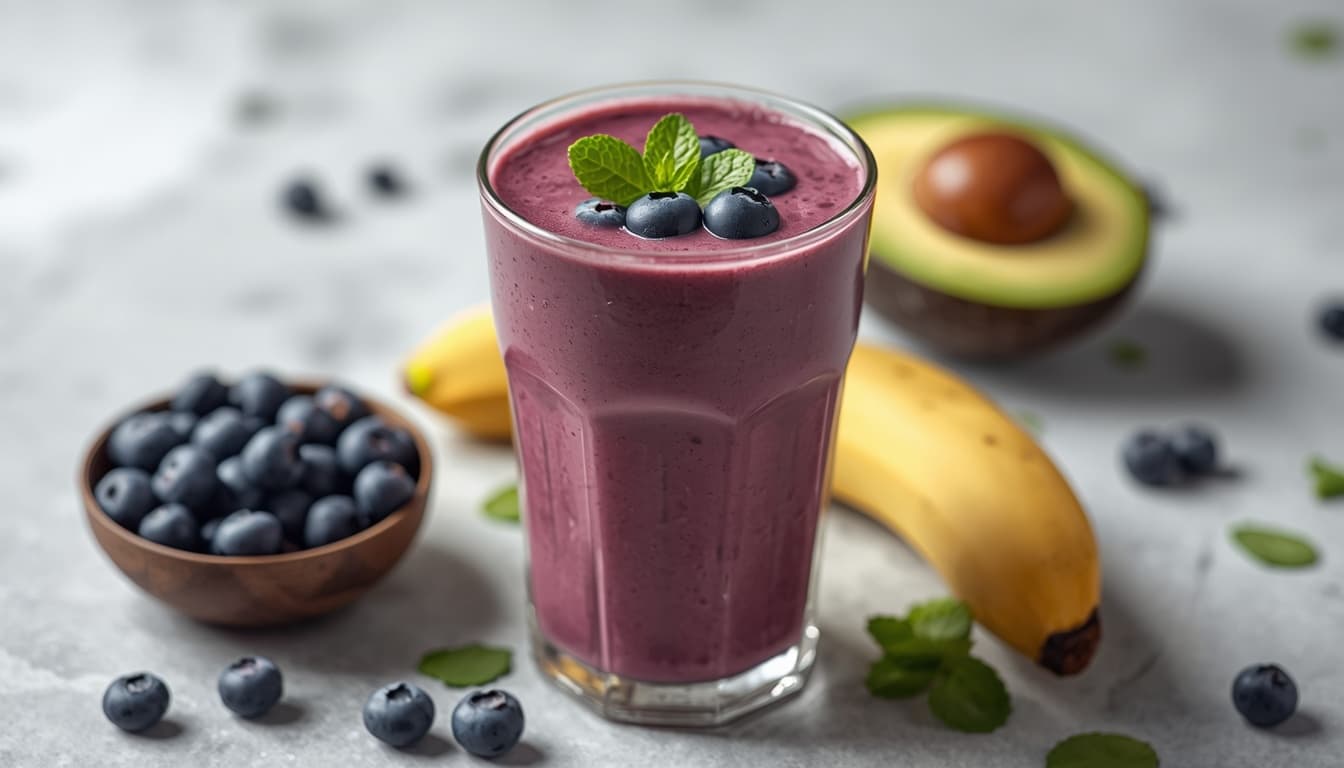
A silky blueberry smoothie with avocado, banana and lime for a creamy, naturally fruity blend.
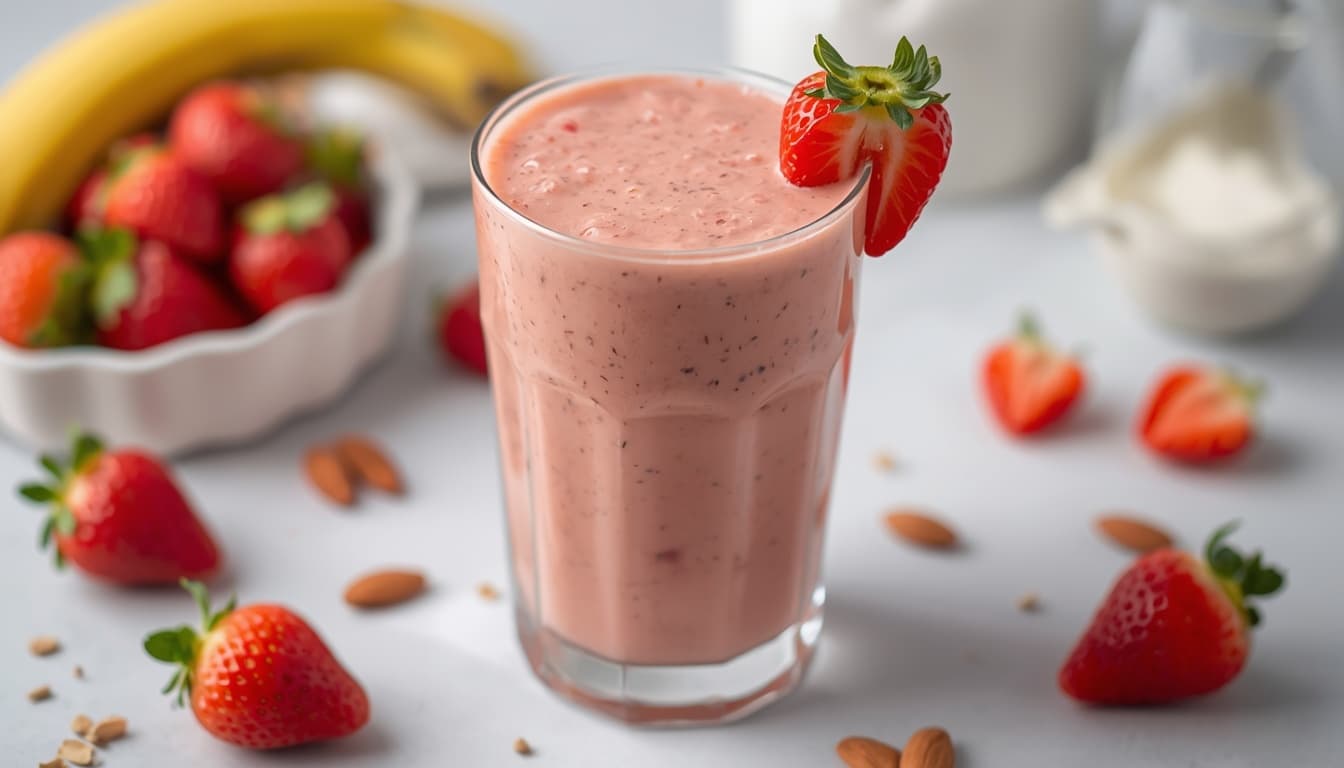
A creamy strawberry smoothie with banana and almond, combining sweet berries with a smooth, nutty finish.
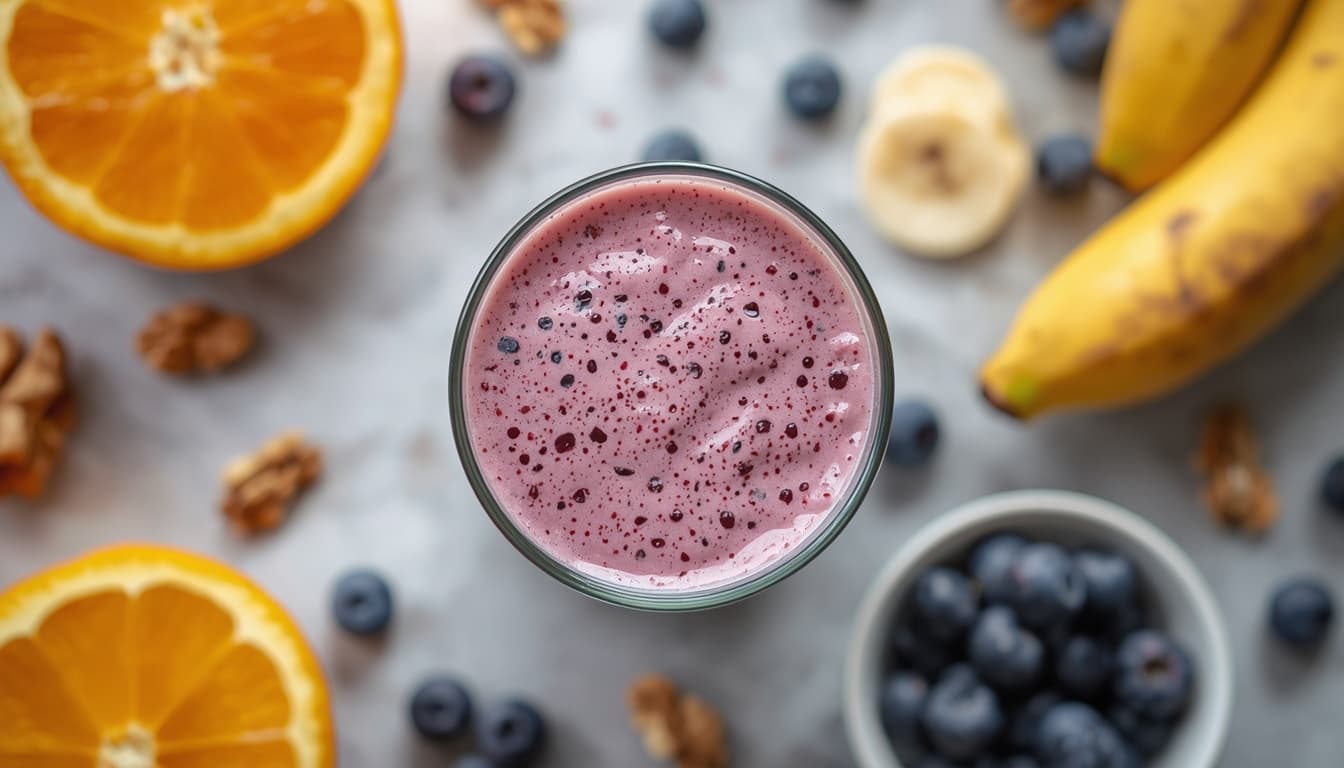
Bright orange and blueberry meet walnut in a juicy smoothie with a subtle creamy finish.
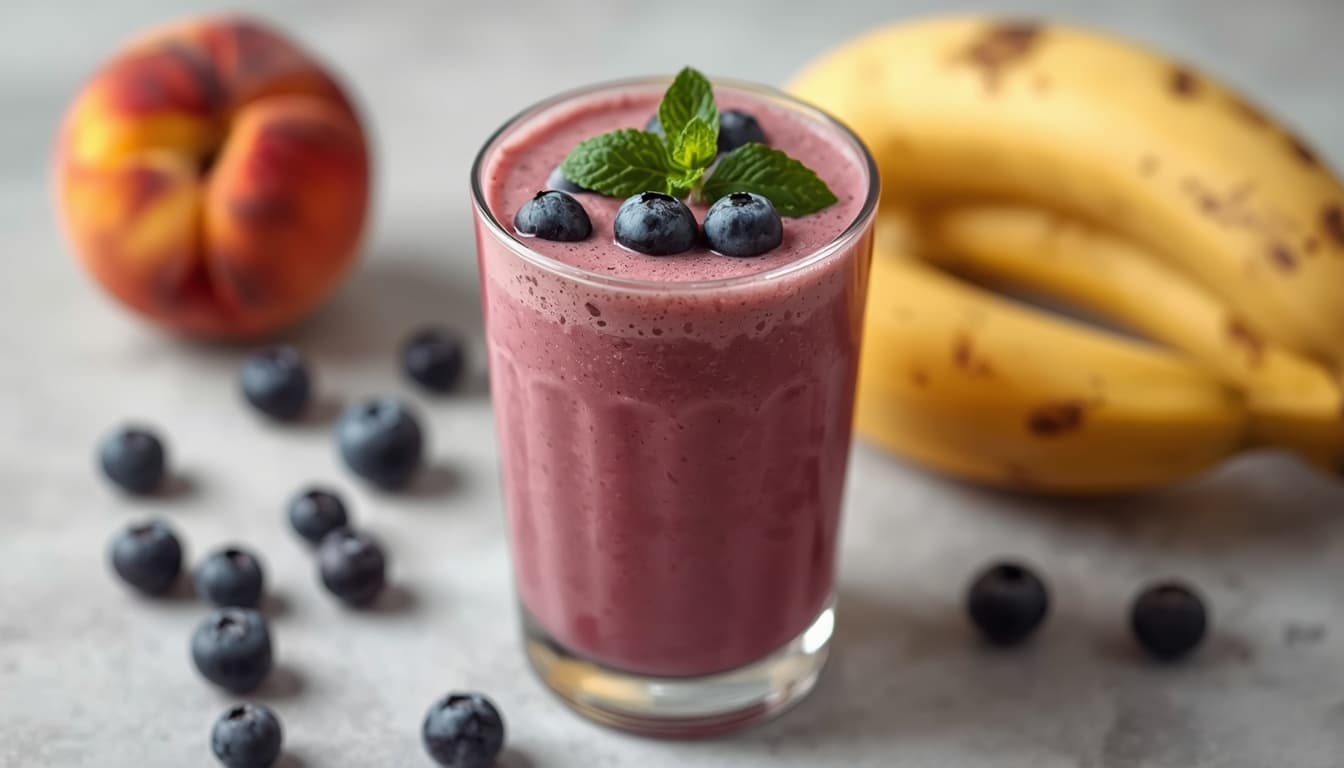
Juicy peach and blueberry come together in a cool purple-blue smoothie with a soft, creamy texture.
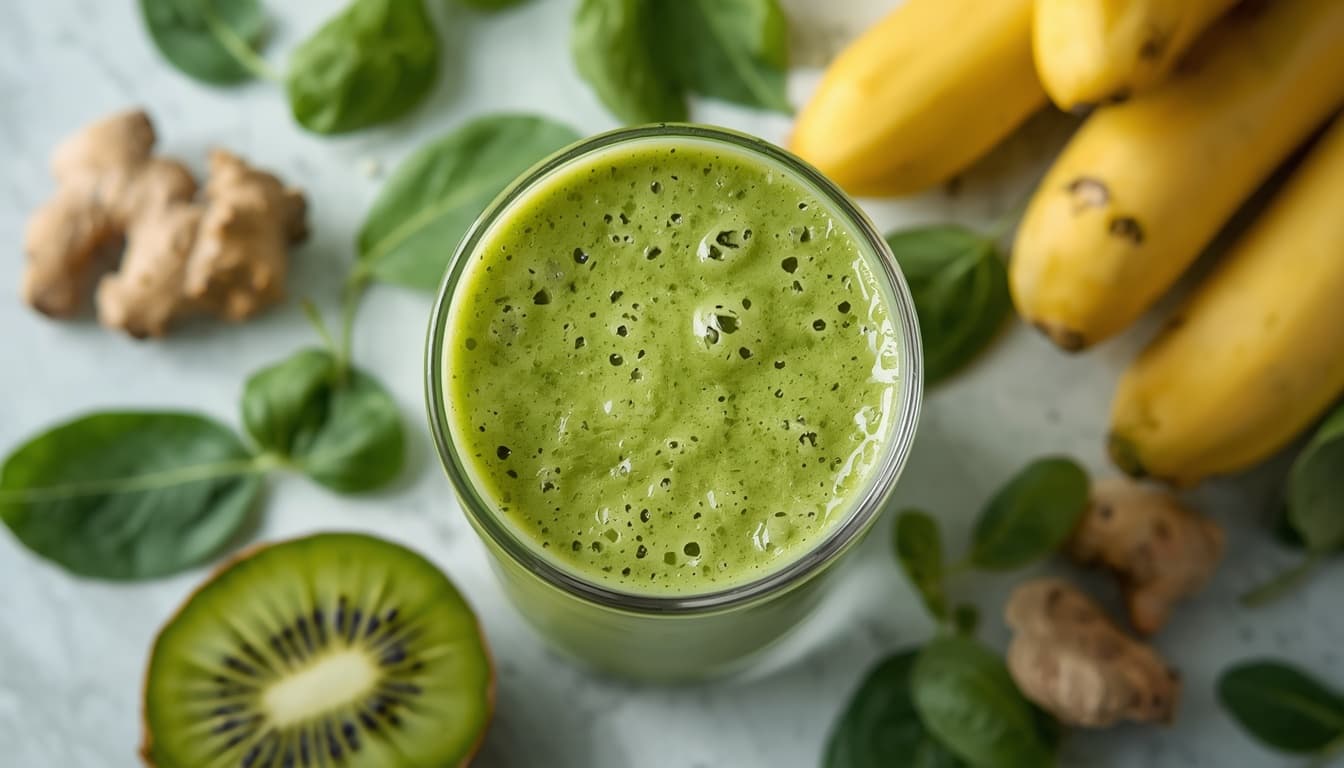
Tart kiwi and juicy pineapple create a bright green smoothie with spinach and ginger.
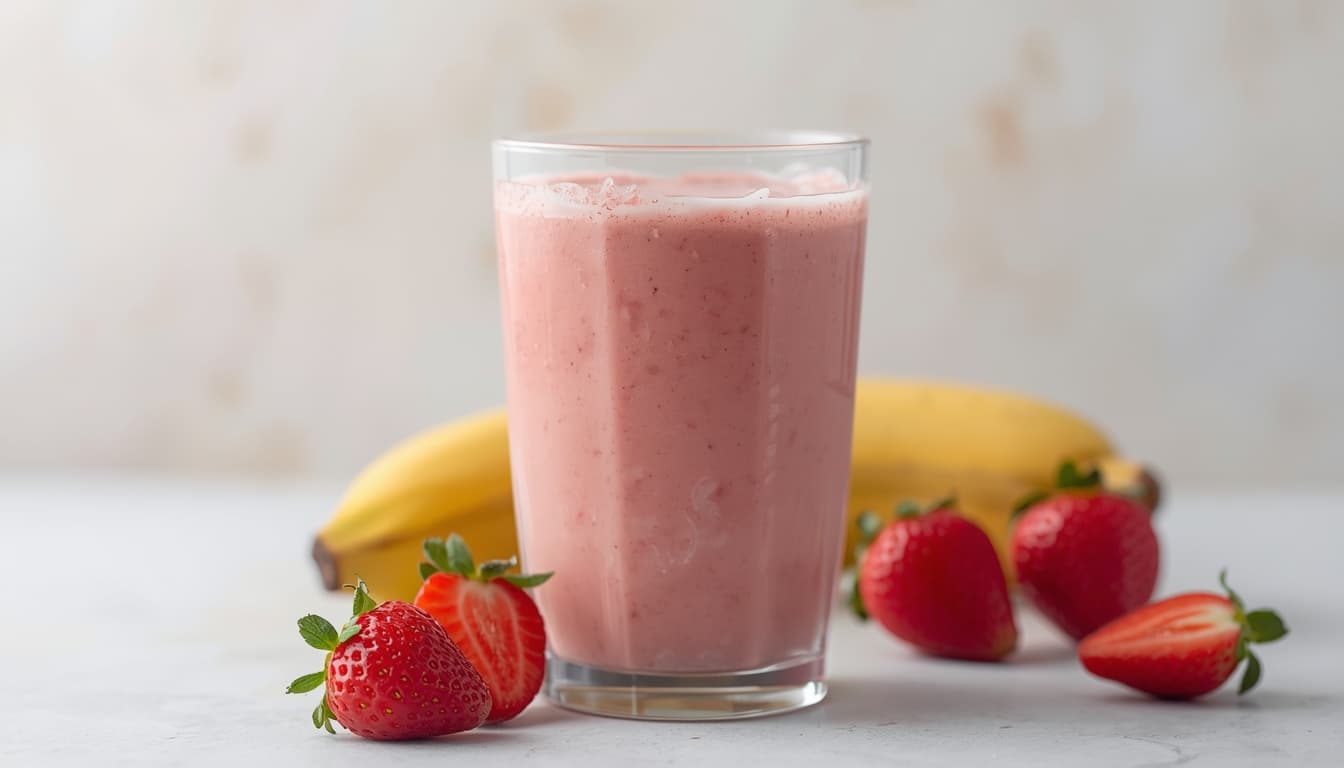
A soft, creamy strawberry smoothie with banana and almond for a naturally sweet, nutty finish.
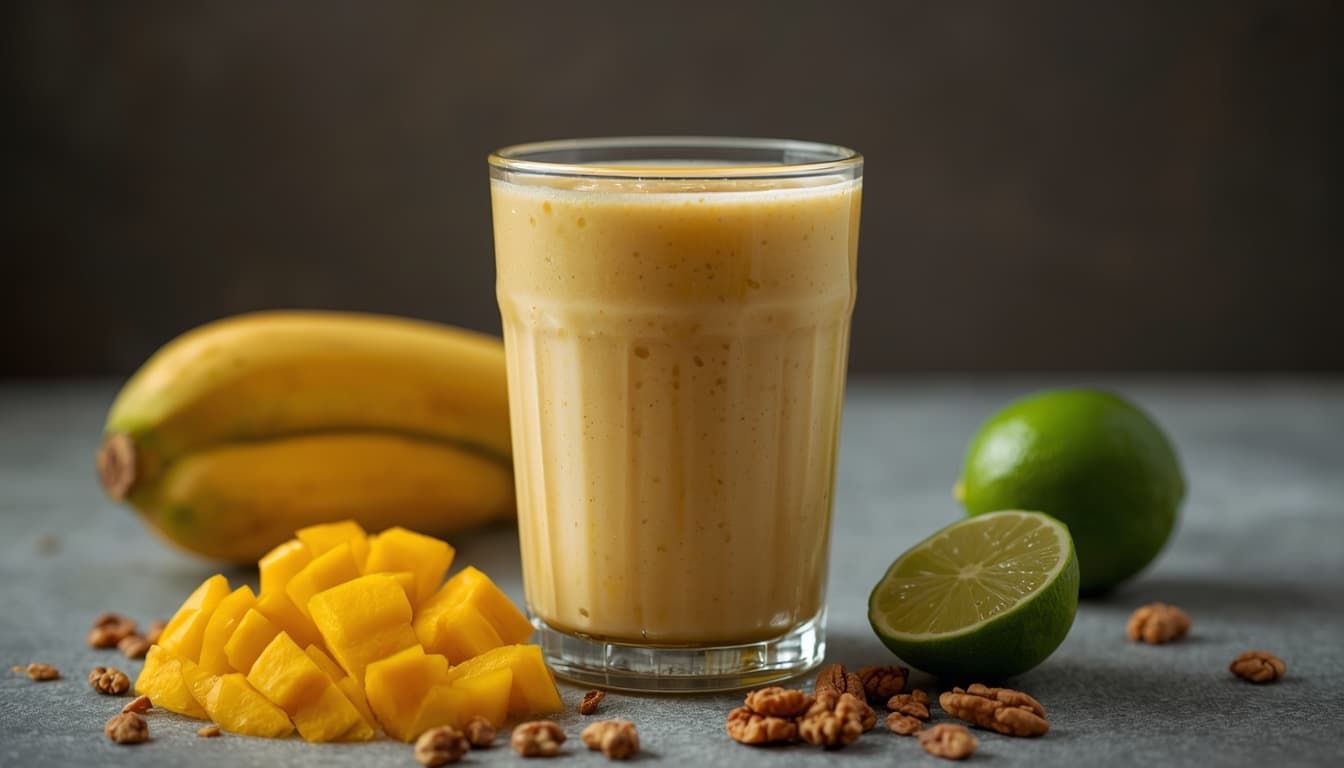
A creamy mango smoothie with banana and walnut, balanced with a bright squeeze of lime.
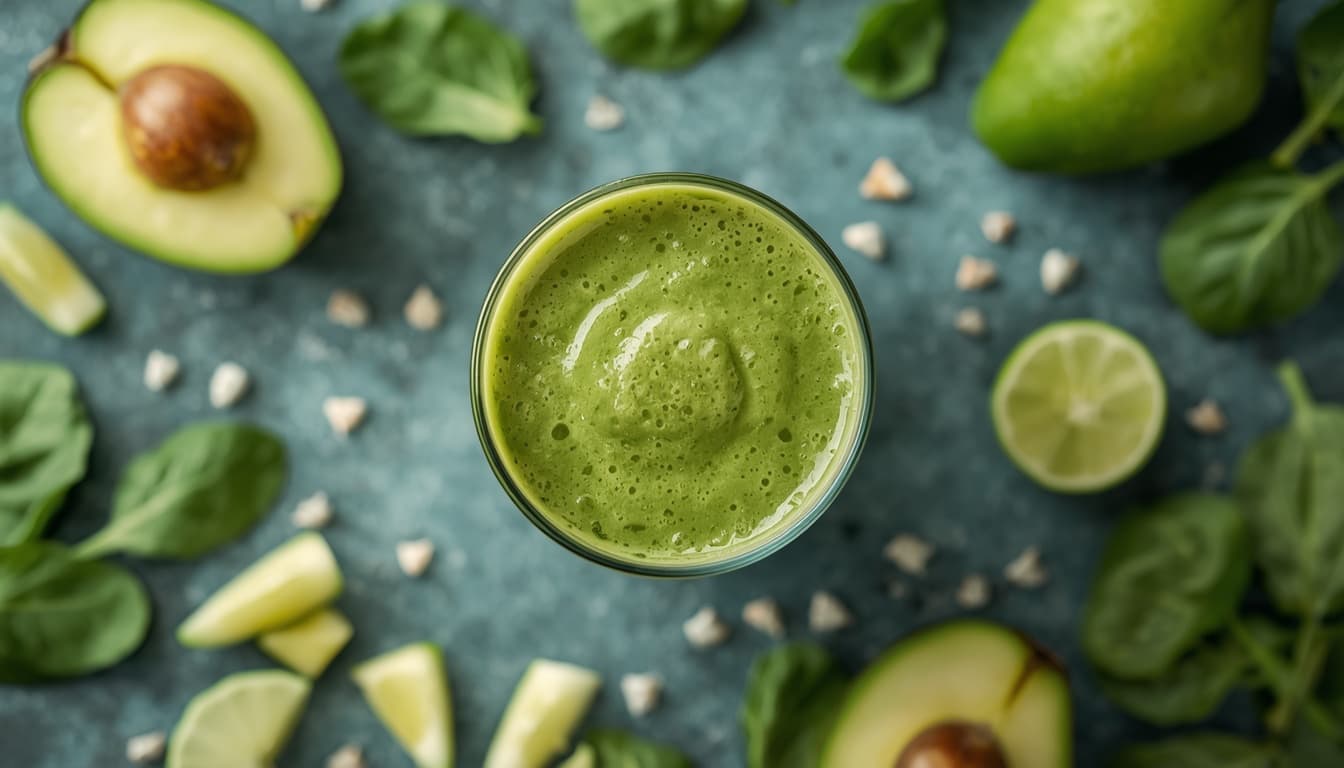
A smooth green smoothie with crisp apple, creamy avocado, spinach and fresh lime.
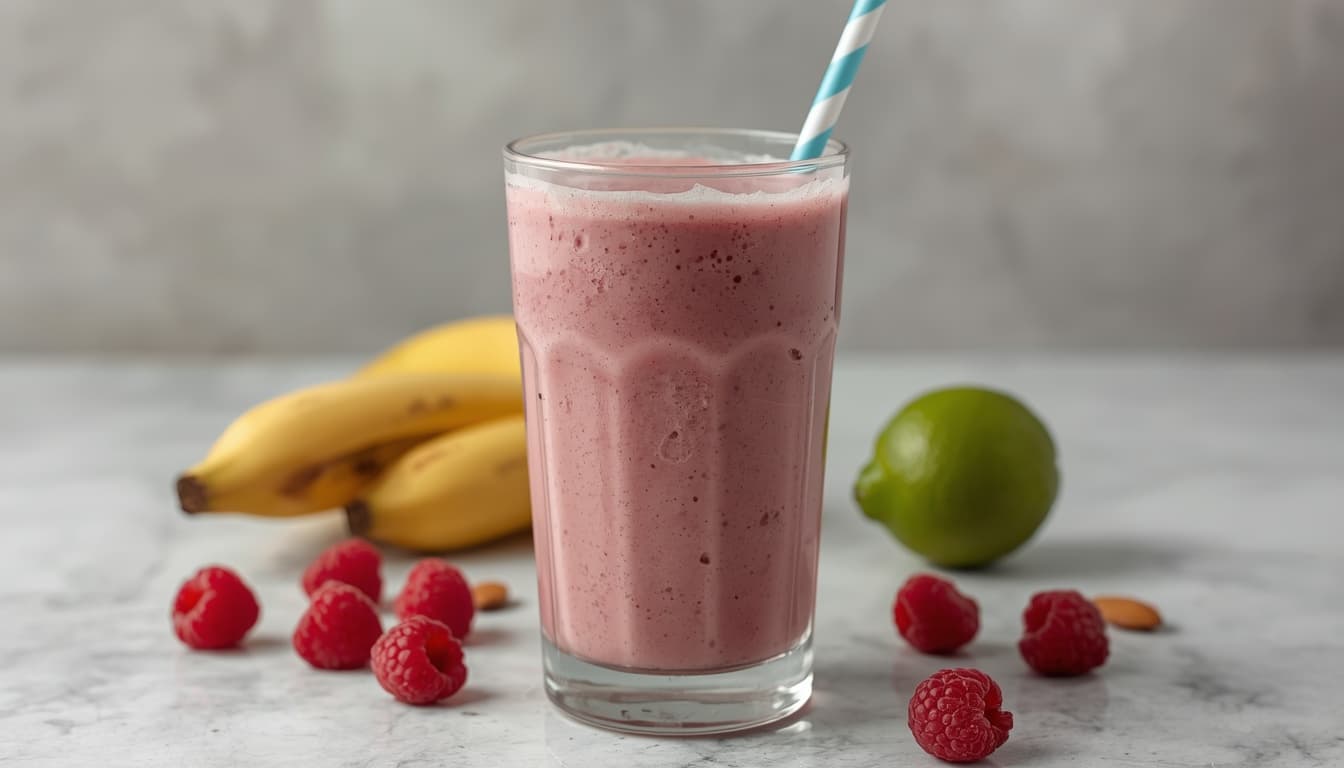
A creamy raspberry smoothie with banana and almond, finished with a bright touch of lime.
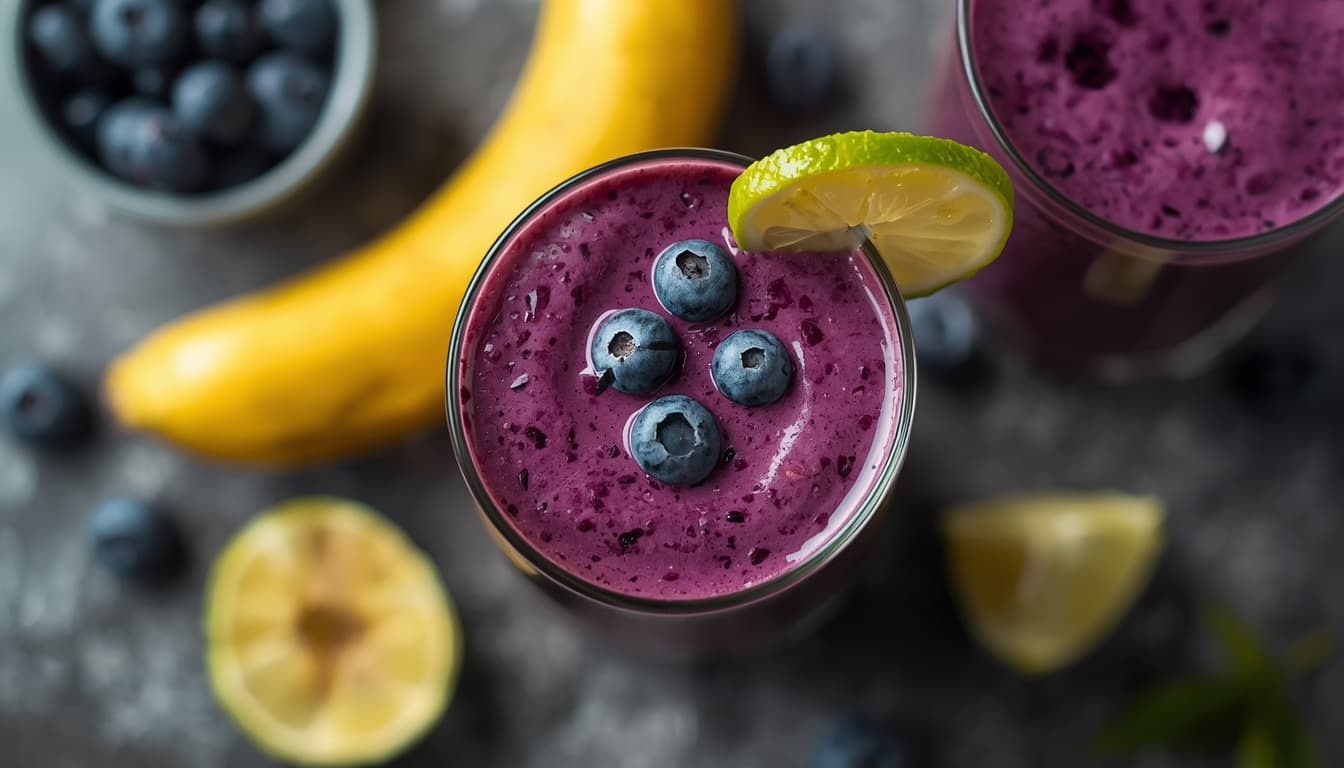
A velvety blueberry and avocado smoothie with banana, milk and lime for a creamy, fresh finish.
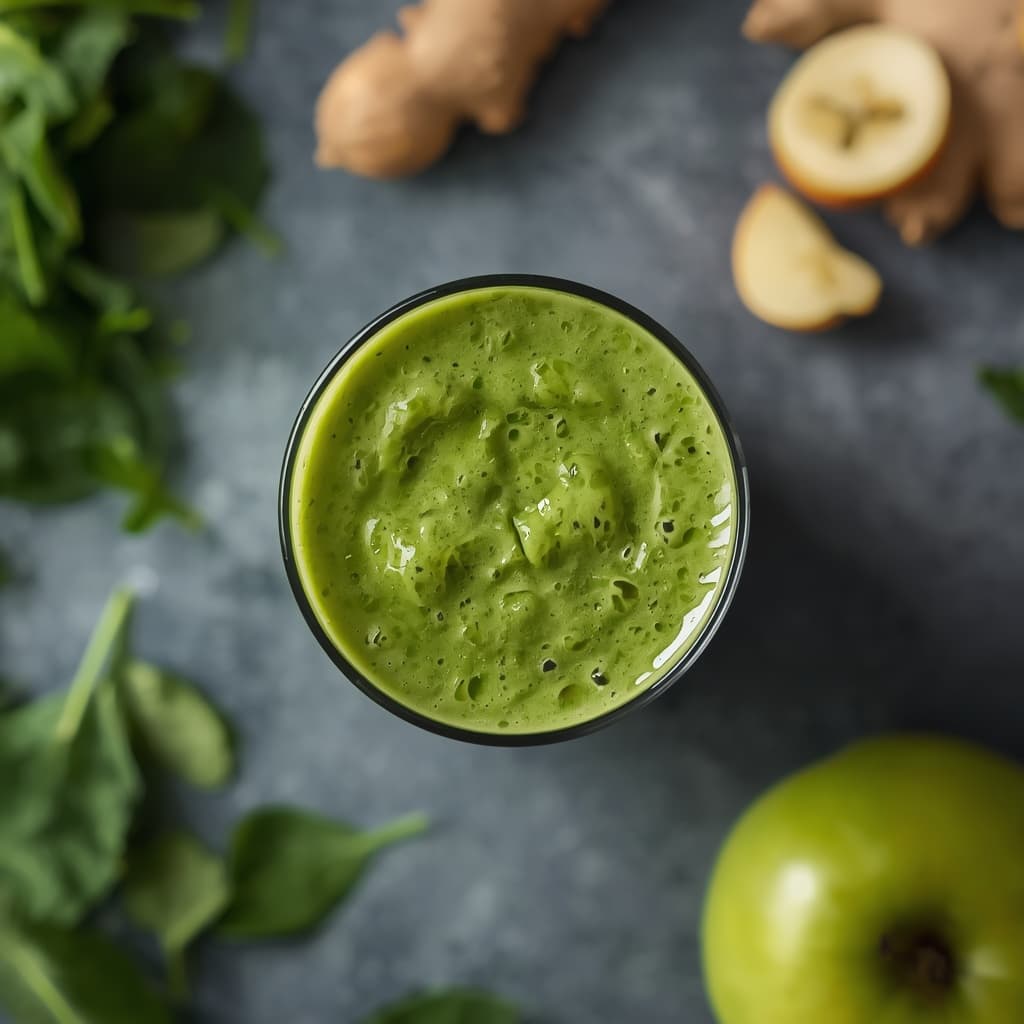
A crisp green smoothie combining apple, spinach, ginger and lime for a fresh, lively flavour.
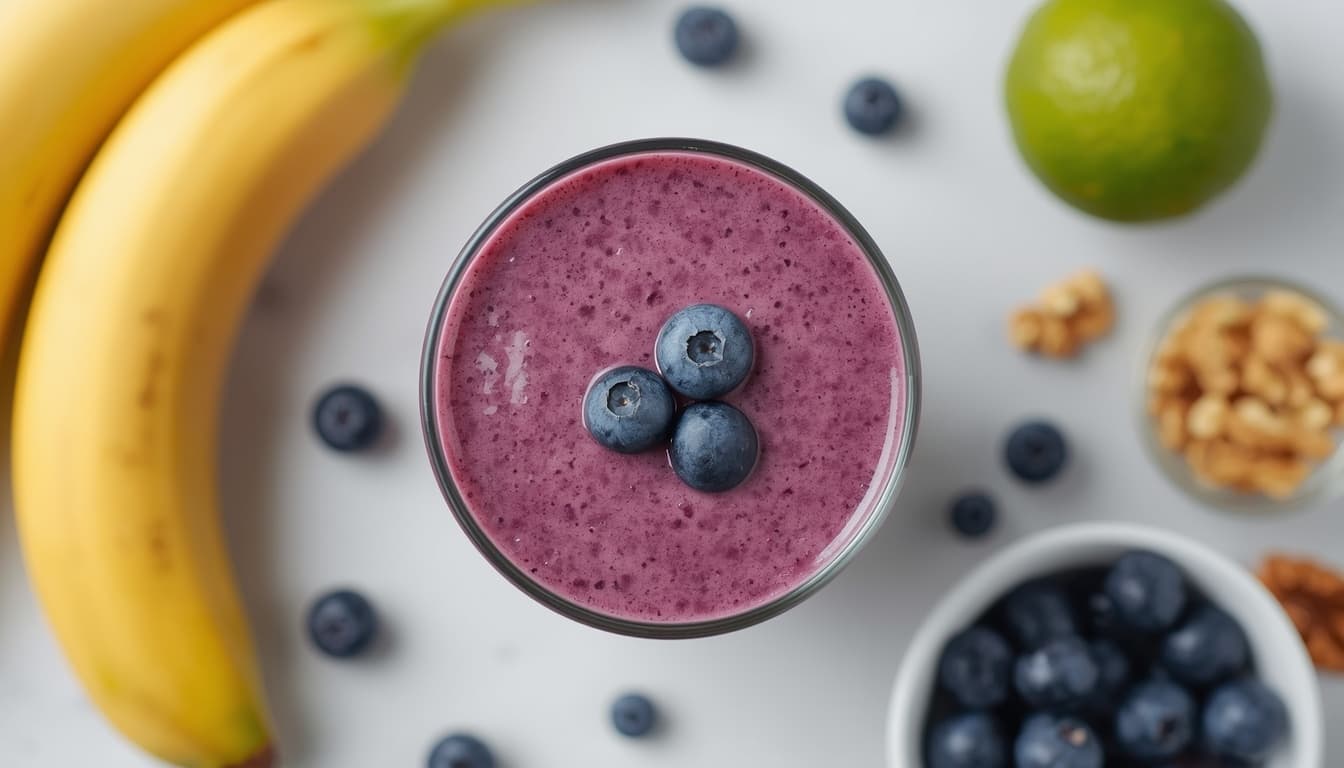
A creamy blueberry smoothie with banana, walnuts and a touch of lime for a rich, bright finish.
Curious what a smoothie can do for you? Browse recipes by health benefits
Bone health is about maintaining strong, healthy bones throughout life. Your bones provide structure, protect organs and support movement, while also acting as a storage site for important minerals such as calcium.
Although bones may seem static, they are living tissue that continually changes. The body breaks down and rebuilds bone throughout life, making nutrition, physical activity and overall lifestyle important parts of maintaining healthy bones.
That is the thinking behind Fluudie’s bone health smoothie collection.
Rather than focusing on a single “superfood”, these recipes combine ingredients that can contribute useful nutrients to a balanced diet. Milk, almonds, chia seeds, leafy greens, avocado, fruit and nuts can all bring different nutritional qualities to the blender.
The result is a collection of smoothies designed to be enjoyable first, while making it easier to include a variety of nutritious foods in your everyday routine.
Healthy bones need a range of nutrients rather than one particular food. Among the most important are calcium, vitamin D, vitamin K, magnesium and protein.
The exact amount you need depends on factors such as age and individual circumstances, but eating a varied diet is an important foundation.
Milk is one of the most useful ingredients in this collection when bone health is the focus.
It provides calcium, a mineral that is essential for maintaining normal bones and teeth. Milk also provides protein, which contributes to the maintenance of normal bones.
Using milk as the liquid base can therefore give a smoothie a nutritional role beyond simply making it easier to blend. It also adds creaminess and works particularly well with banana, berries, peach, mango and almonds.
Kale and spinach bring a different nutritional profile to bone-focused smoothies.
Leafy green vegetables provide vitamin K, which contributes to the maintenance of normal bones. They also contain minerals such as magnesium and other micronutrients that form part of a varied diet.
The key to making leafy greens enjoyable in smoothies is balancing them with fruit.
Apple and lime can create a crisp green blend, while banana, mango or pineapple can make the flavour softer and more approachable.
Almonds and chia seeds are useful additions when you want to make a smoothie more substantial.
Almonds provide magnesium and other nutrients, while chia seeds contribute minerals, fibre and plant-based omega-3 fatty acids. Both ingredients also add texture and a mild nutty character.
They pair naturally with berries, banana and milk.
For example, almond and strawberry can create a creamy, dessert-like combination, while chia works particularly well in fruit-forward smoothies where its subtle flavour does not overpower the fruit.
Avocado can give a smoothie a naturally thick, buttery texture without needing large amounts of dairy.
It also contributes minerals and unsaturated fats as part of the overall nutritional profile of the smoothie.
Because avocado is rich and mild, it works particularly well with sharper ingredients such as lime, kiwi or berries. Banana can further soften the flavour and create an especially creamy result.
Bone health does not mean your smoothie needs to taste like vegetables.
Ingredients such as strawberries, blueberries, raspberries, mango, peach, pineapple, kiwi and orange can bring sweetness, acidity, colour and freshness.
Fruit also makes leafy green ingredients easier to enjoy. A spinach smoothie with kiwi and lime tastes completely different from one made with spinach and mango.
This variety helps keep the recipes interesting while allowing you to include different plant foods throughout the week.
Calcium is one of the best-known nutrients associated with bones. It is needed for the maintenance of normal bones and teeth.
Milk is particularly useful in these smoothie recipes because it provides calcium in a familiar, easy-to-use ingredient.
Other ingredients in the Fluudie library can complement a calcium-containing base, including almonds, chia seeds and leafy greens.
Vitamin K contributes to the maintenance of normal bones.
Kale and spinach are particularly useful ingredients when you want to build a green smoothie around this nutrient. Their fresh flavour can be balanced with sweeter fruits such as banana, mango or pineapple.
Magnesium contributes to normal bone health and also plays a role in normal muscle function and energy metabolism.
Nuts, seeds and leafy green vegetables can contribute magnesium to the diet, making ingredients such as almonds, chia seeds, walnuts, hazelnuts, spinach and kale useful additions to a varied smoothie collection.
Protein contributes to the maintenance of normal bones.
Milk can provide protein while also creating a creamy smoothie base. Nuts and seeds can contribute additional plant-based protein, although their quantities should remain sensible because they are also relatively energy-dense.
For a more substantial breakfast smoothie, combining milk with banana, berries and a modest amount of almonds or chia seeds can create a satisfying blend.
Vitamin D is also important for normal bones because it helps the body absorb and use calcium.
However, the Fluudie ingredient library has relatively few naturally vitamin-D-rich ingredients. Milk can provide vitamin D if it is fortified, but the amount varies between products.
For that reason, these recipes should not be presented as a guaranteed source of vitamin D. Check the nutrition information on the milk you use if vitamin D is an important consideration for your diet.
There is no particular time of day when a smoothie becomes better for your bones.
What matters more is how it fits into your overall diet.
A smoothie made with milk, fruit, nuts or seeds can make a convenient breakfast. Milk provides a creamy base while ingredients such as banana and berries add flavour and texture.
A fruit and milk smoothie can work well when you want something simple between meals.
For a more substantial option, choose ingredients such as chia seeds, almonds or avocado.
Healthy bones benefit from more than nutrition. Weight-bearing physical activity and strength training are also important parts of maintaining bone health.
A smoothie can fit naturally around an active lifestyle, but it should be viewed as food rather than a special “bone-strengthening” drink.
There is no need to force yourself to drink a bone health smoothie at a specific time. The most useful approach is choosing nutritious foods regularly and maintaining a varied diet over time.
Rather than trying to put every nutrient into one glass, build different combinations around ingredients you enjoy.
Some useful combinations include:
Milk + strawberry + almond for a creamy, berry-forward smoothie.
Milk + blueberry + chia seeds + banana for a thick, satisfying breakfast blend.
Kale + kiwi + banana + lime for a fresh green smoothie.
Spinach + mango + milk for a smooth, tropical combination.
Avocado + strawberry + milk for an especially creamy texture.
Peach + banana + almond + milk for a mellow, nutty smoothie.
The important point is variety. Different combinations provide different flavours and nutritional profiles, making it easier to enjoy a broader range of foods.
No single smoothie can provide everything your bones need.
Bone health depends on your overall diet and lifestyle, including adequate intake of important nutrients, regular physical activity and other health factors.
Smoothies can be useful because they make it convenient to combine several nutritious ingredients. But they should complement, rather than replace, a varied diet.
It is also worth remembering that some nutrients are difficult to obtain from the Fluudie ingredient library alone. Vitamin D, for example, may require fortified foods, sunlight exposure according to local guidance, or supplementation in some circumstances.
If you have been diagnosed with osteoporosis, osteopenia, a vitamin or mineral deficiency, or another condition affecting your bones, follow the dietary advice provided by your healthcare professional.
Good nutrition is only one part of maintaining healthy bones.
Regular physical activity is important too. Activities that put appropriate stress on the bones, such as walking, running and resistance exercises, can support bone strength as part of an active lifestyle.
Other lifestyle factors matter as well. Smoking and excessive alcohol consumption, for example, can negatively affect bone health.
That is why Fluudie’s bone health smoothies are best viewed as one small, enjoyable part of a healthy lifestyle, rather than a solution on their own.
Eating for bone health does not have to mean sacrificing flavour.
A smoothie can be creamy and fruity, fresh and green, nutty and rich, or bright and refreshing. Milk can provide a creamy calcium-containing base, berries can bring vibrant fruit flavour, leafy greens can add valuable nutrients, while almonds and chia seeds provide texture and variety.
Try a strawberry and almond smoothie when you want something creamy and sweet. Reach for kale, kiwi and lime when you want something fresh. Or blend milk, blueberries, banana and chia seeds for a thicker breakfast option.
The goal is not to find one perfect bone health smoothie. It is to make nutritious, varied eating easier to enjoy as part of your everyday life.