5 min
348 kcal
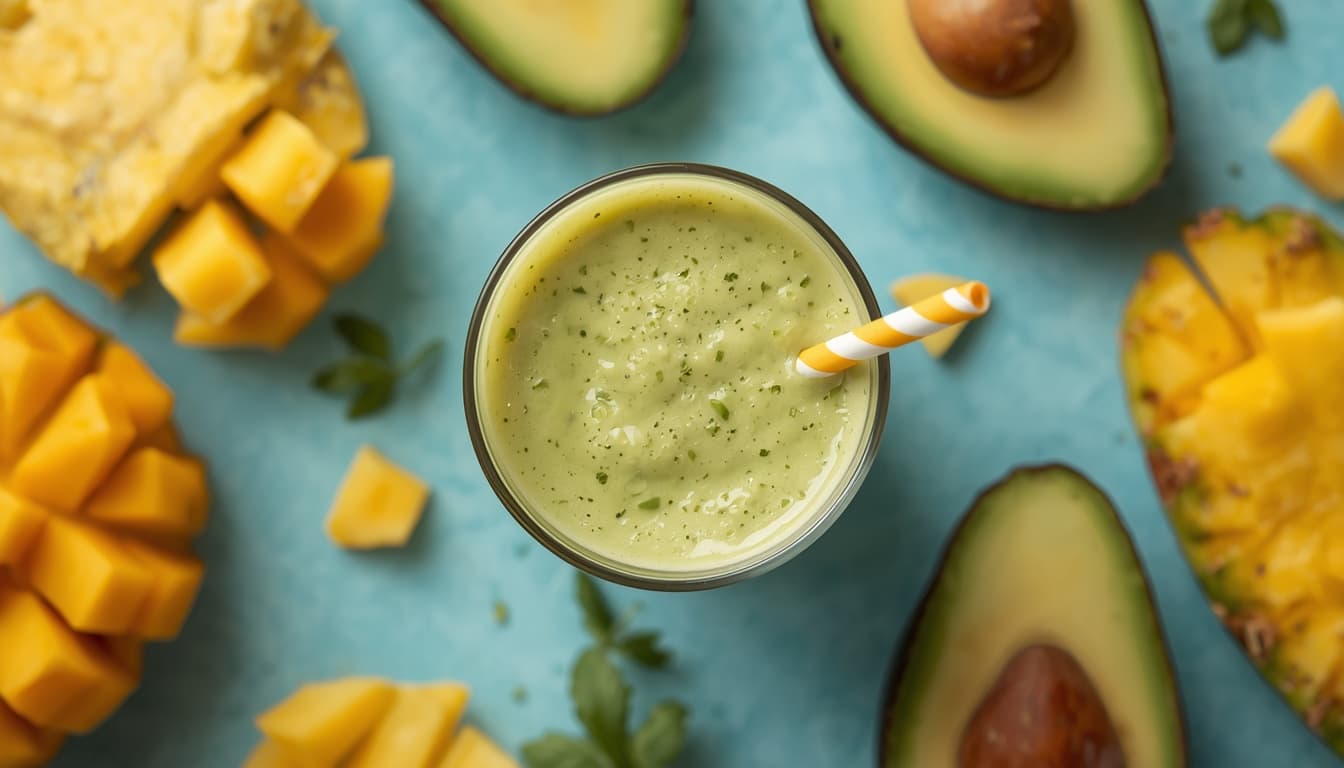
Tropical Avocado Glow
Creamy avocado meets mango and pineapple in a smooth tropical blend.
Immune System
Blood Pressure
Eyes
Heart
Skin
Digestion
Discover our collection of smoothies for eye health, featuring ingredients such as carrots, spinach, kale, mango, berries, citrus fruit and avocado. These recipes are built around…
Creamy avocado meets mango and pineapple in a smooth tropical blend.
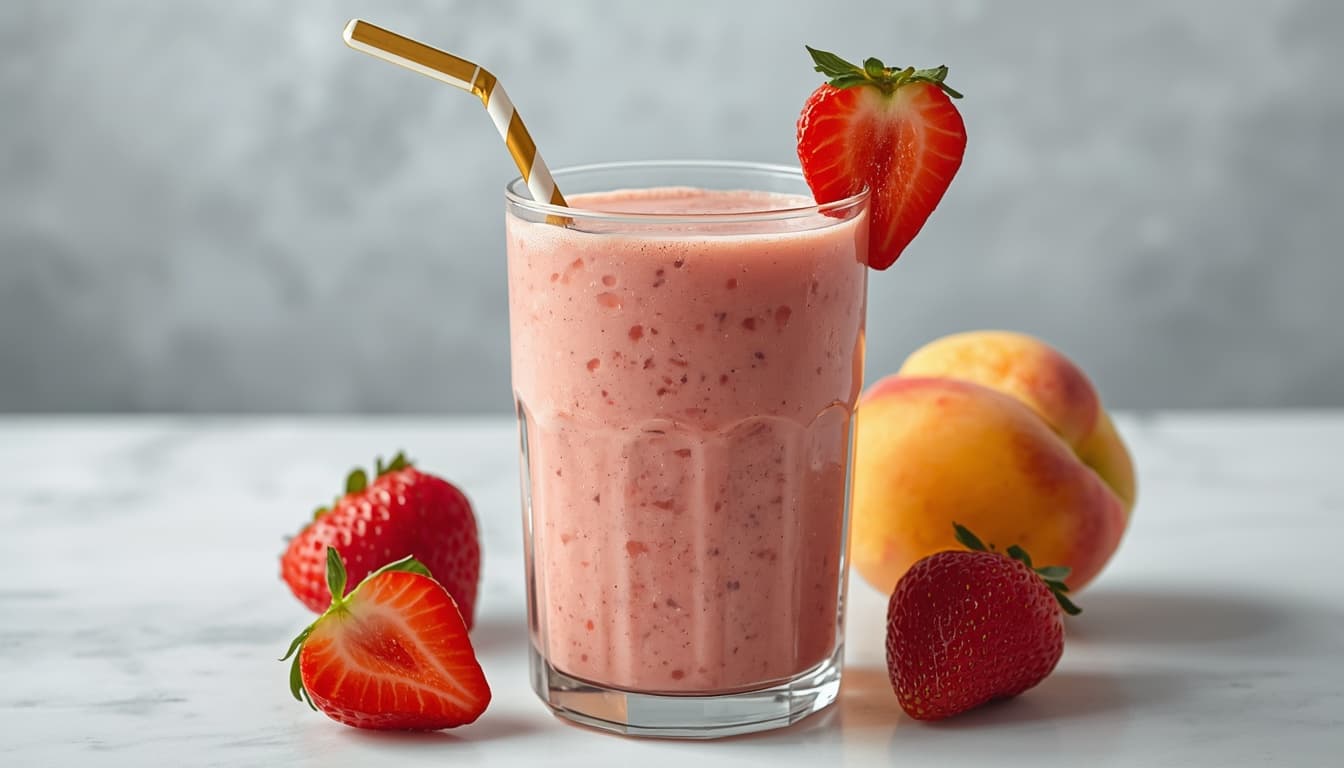
A creamy strawberry and peach smoothie with almond, combining sweet berries with soft, juicy stone fruit.
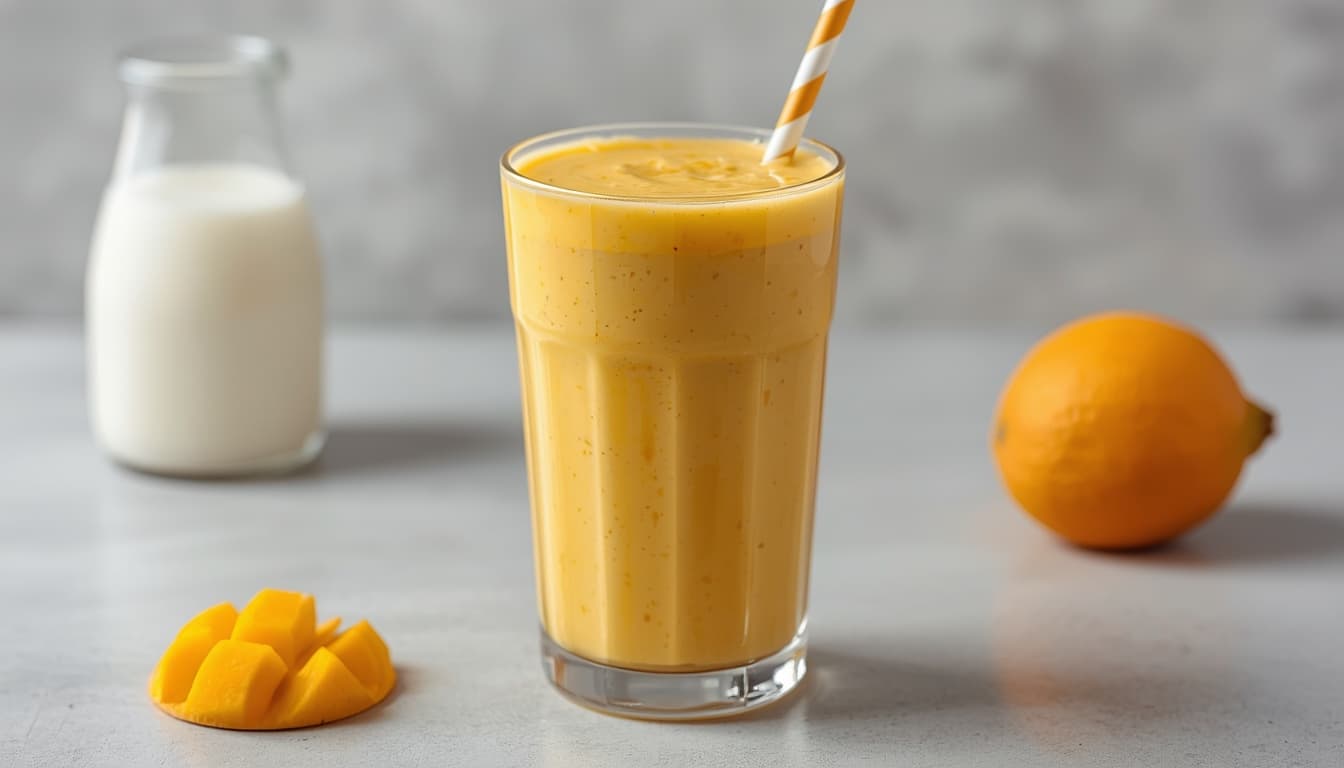
A creamy mango and orange smoothie with banana and milk for a bright, sunny tropical blend.
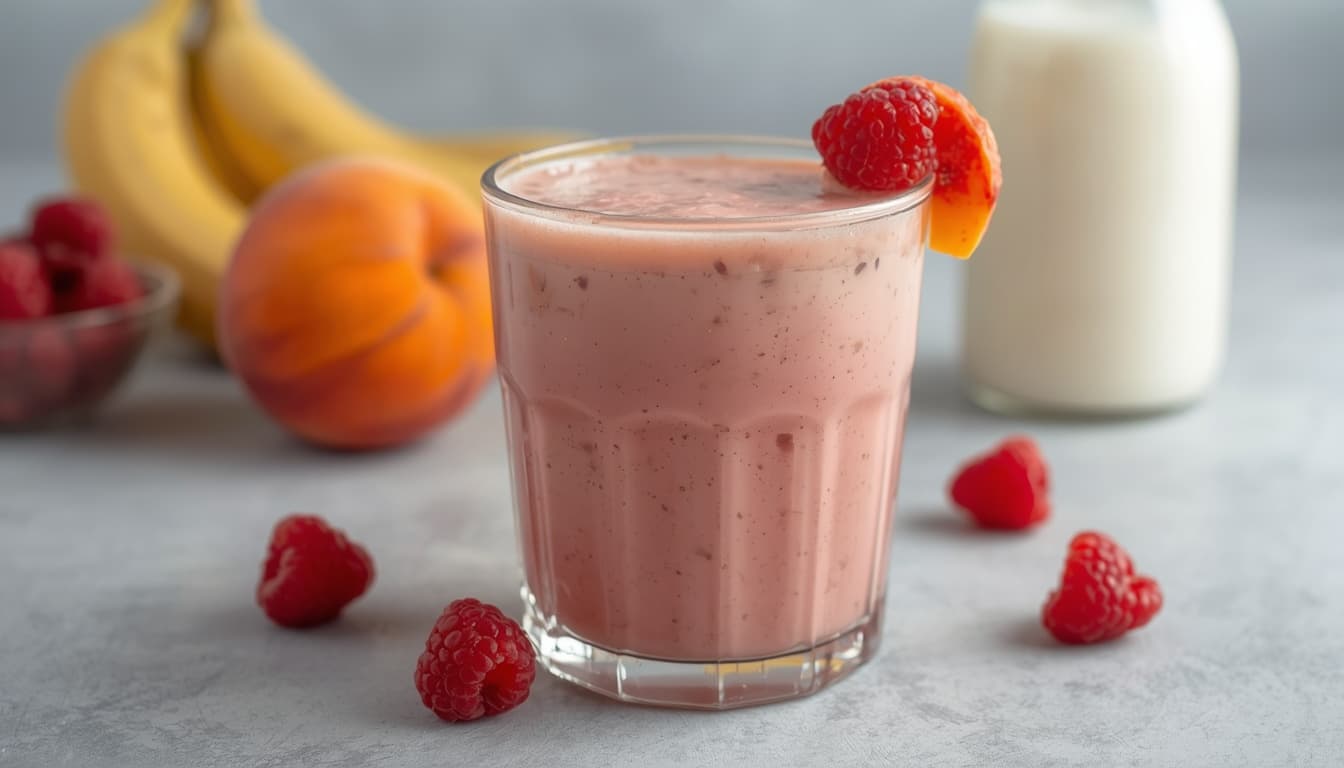
A creamy raspberry and peach smoothie with banana and milk for a soft, naturally sweet berry flavour.
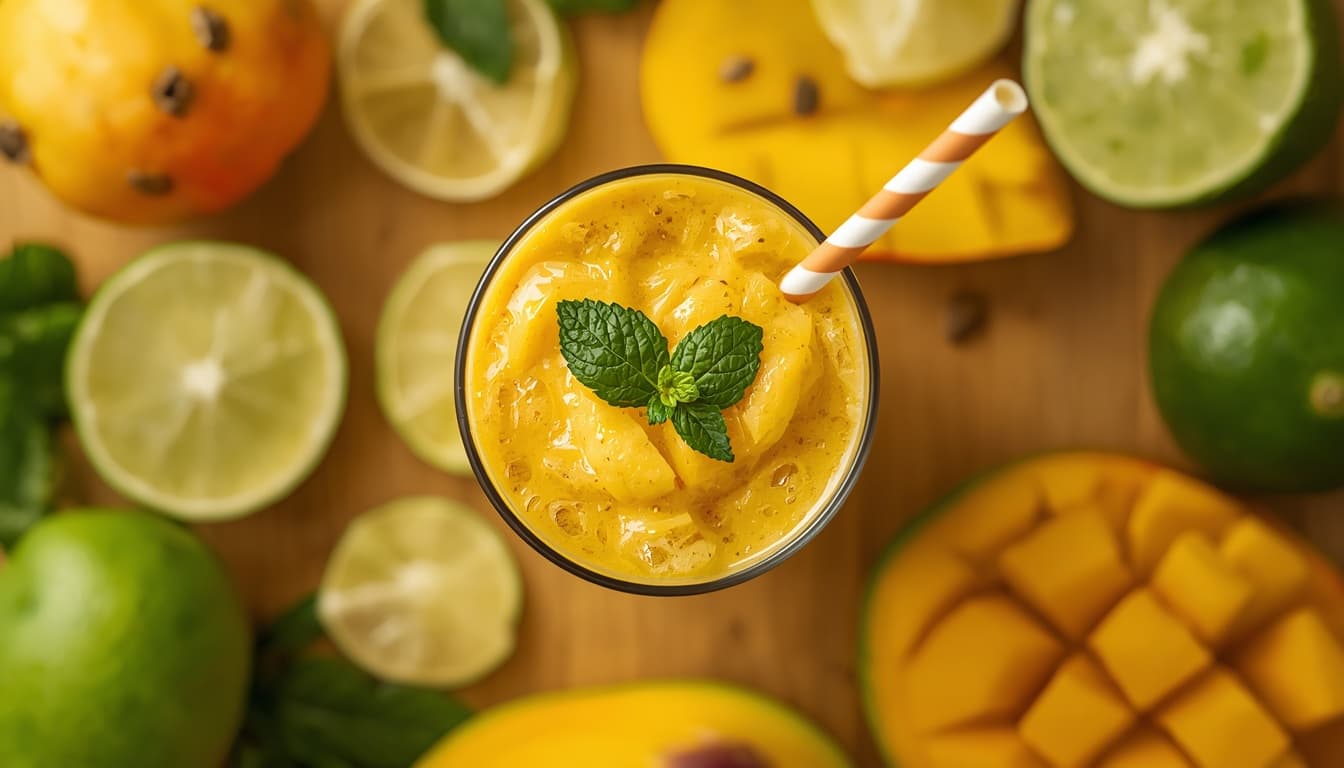
A golden, velvety smoothie with ripe mango, creamy avocado and a sharp splash of lime.
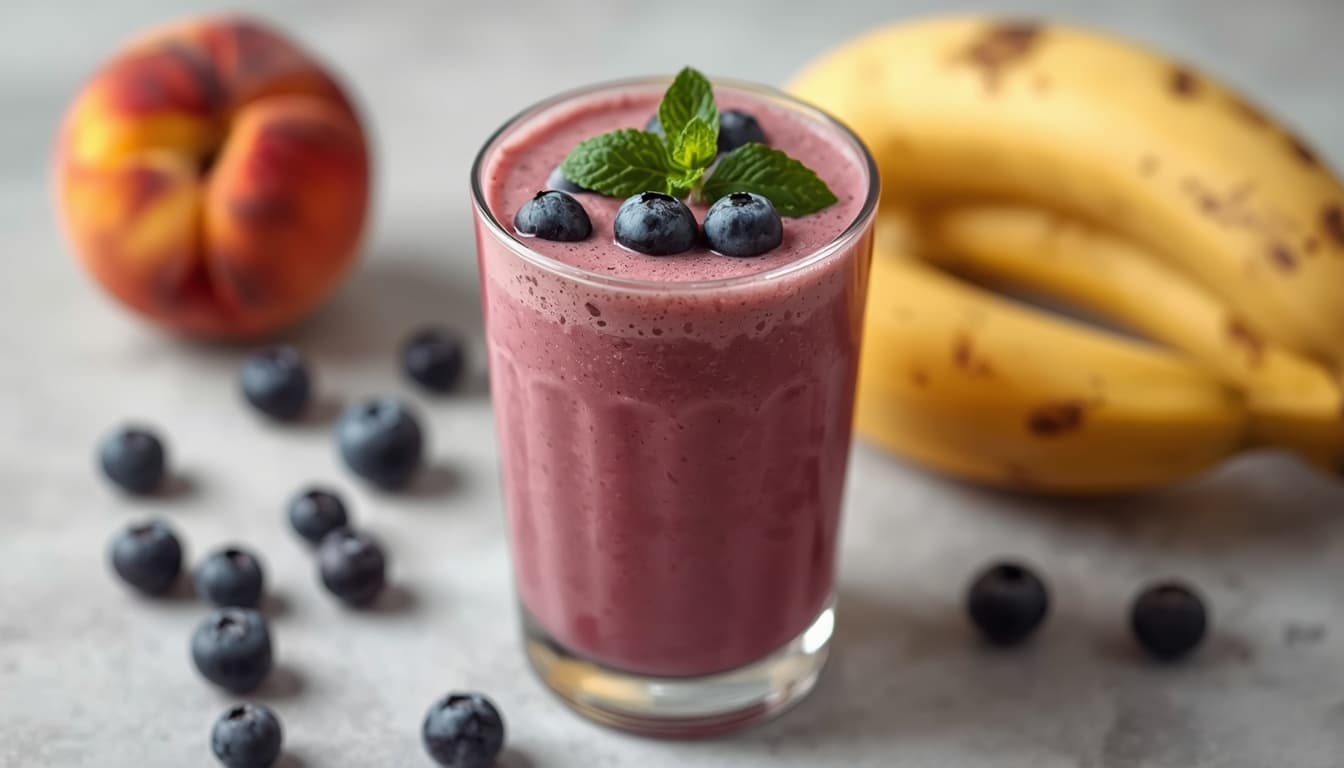
Juicy peach and blueberry come together in a cool purple-blue smoothie with a soft, creamy texture.
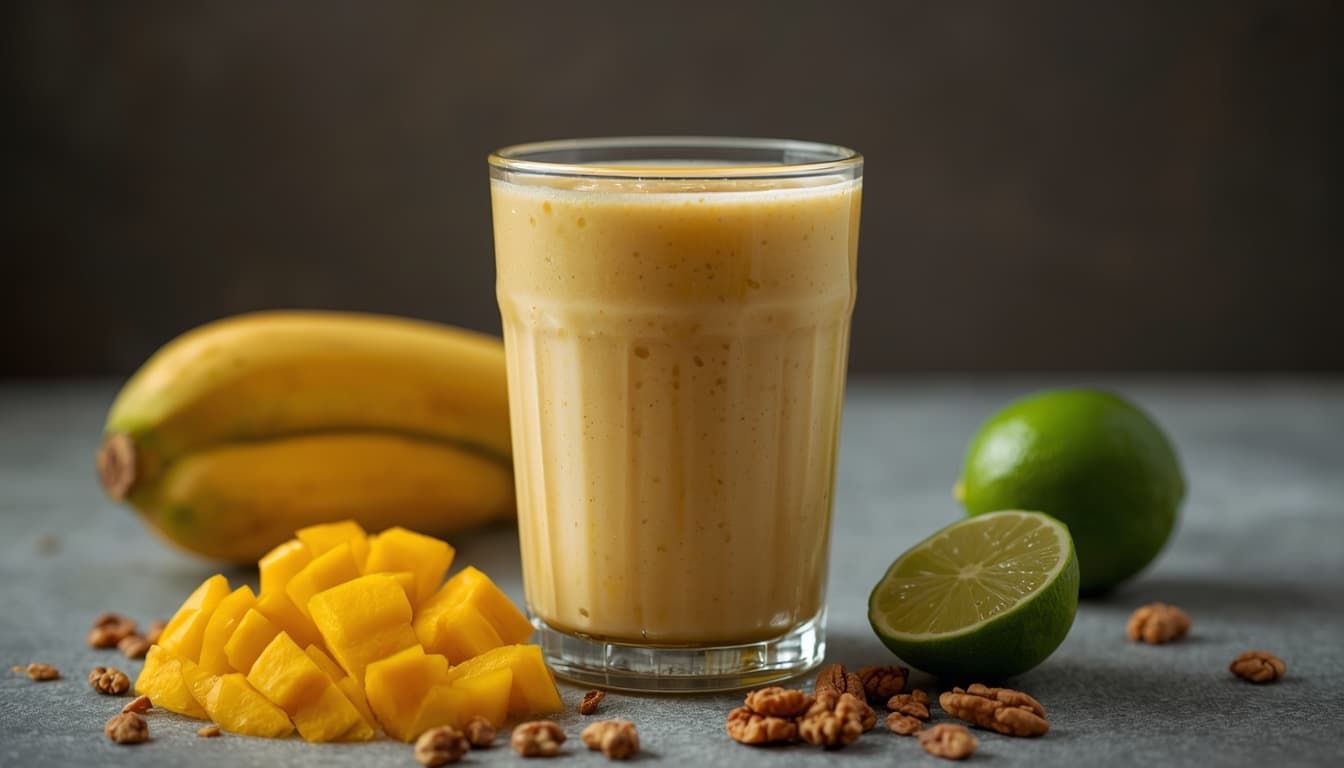
A creamy mango smoothie with banana and walnut, balanced with a bright squeeze of lime.
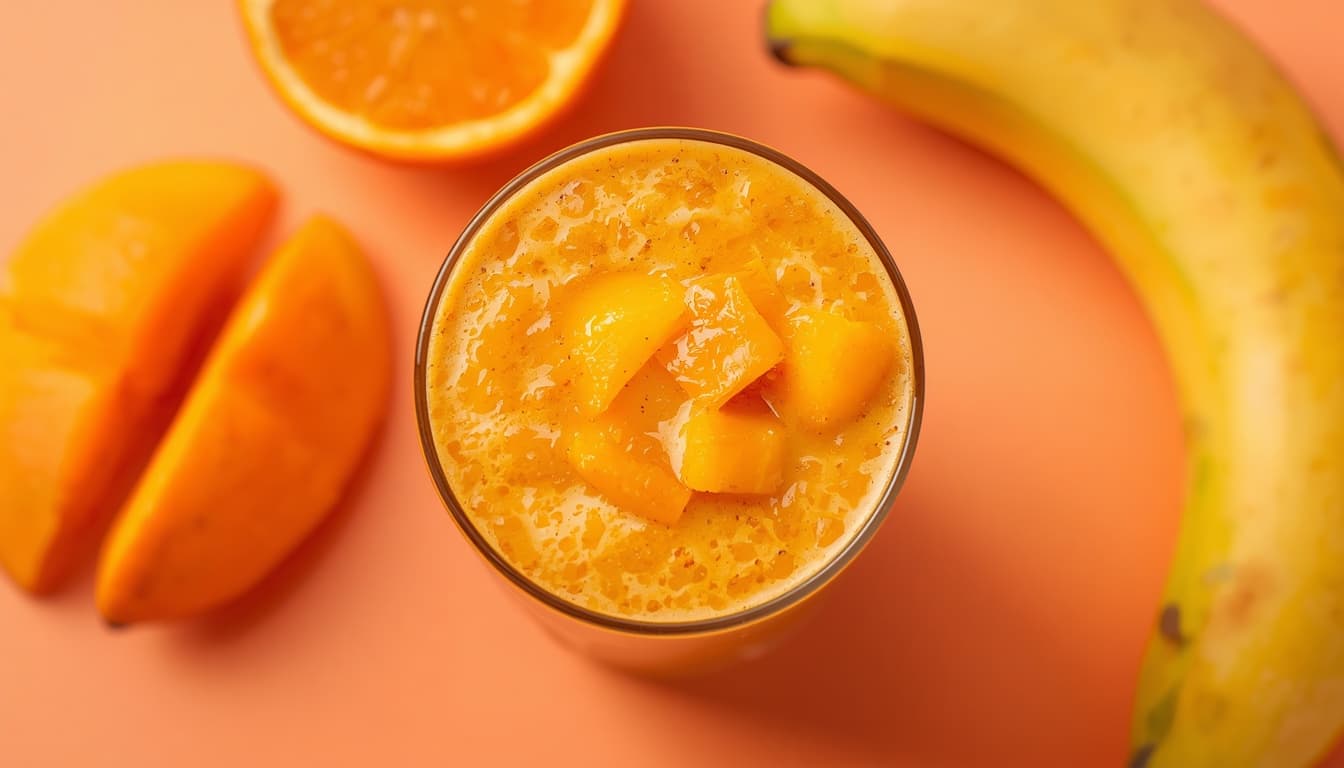
A sunny carrot and mango smoothie with orange, banana and a smooth, naturally sweet tropical finish.
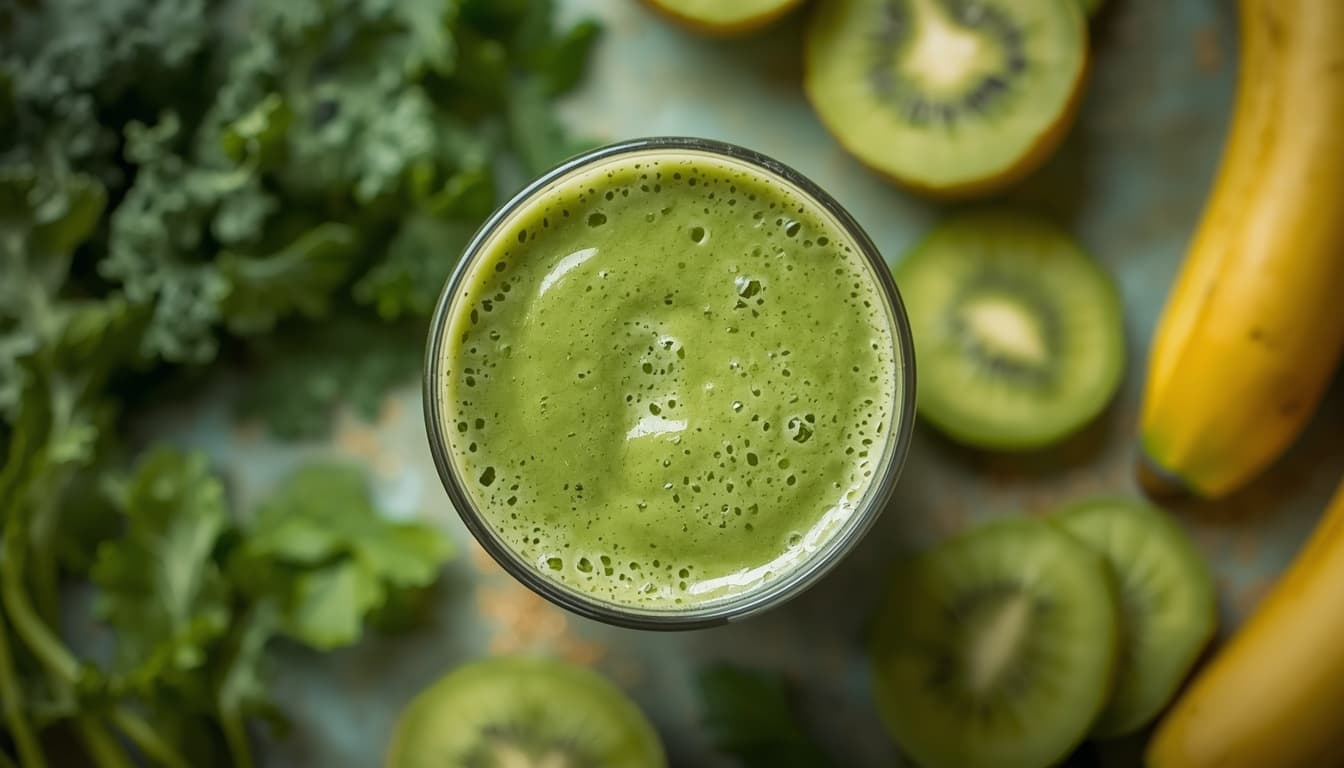
A fresh kale and kiwi smoothie with banana and lime for a bright, crisp and vibrant green blend.
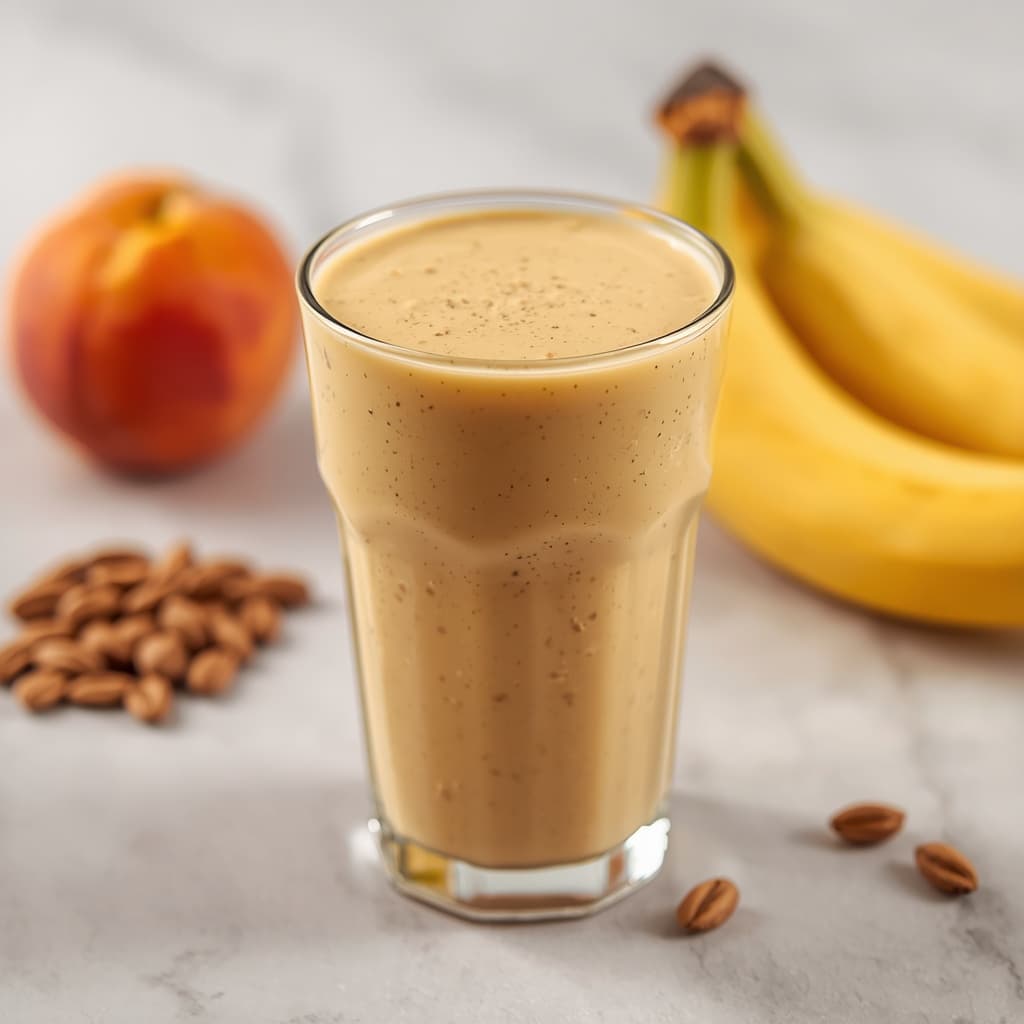
A creamy peach and banana smoothie with hazelnut for a mellow, smooth and gently nutty finish.
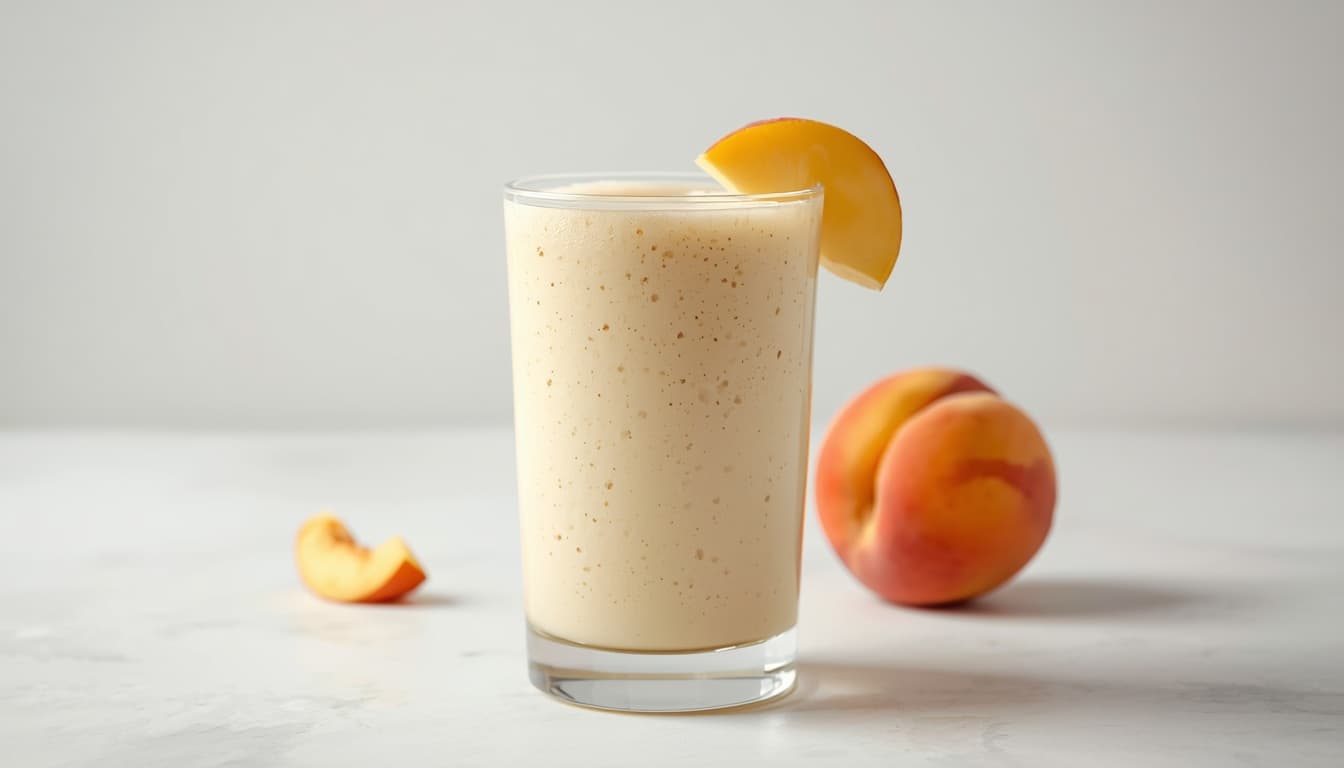
A soft and creamy banana smoothie with ripe peach and milk for a delicate, fruity finish.
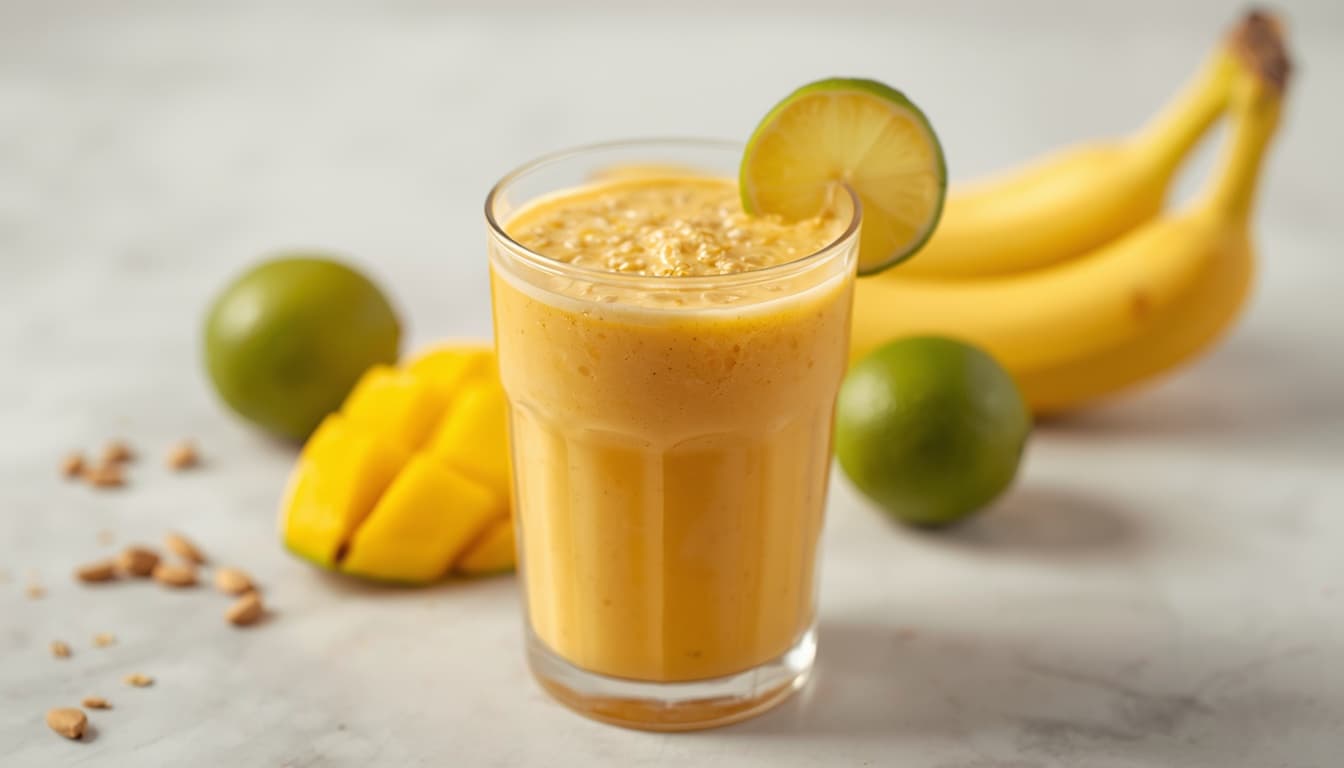
Rich banana and tropical mango create a golden, velvety smoothie with a soft fruity finish.
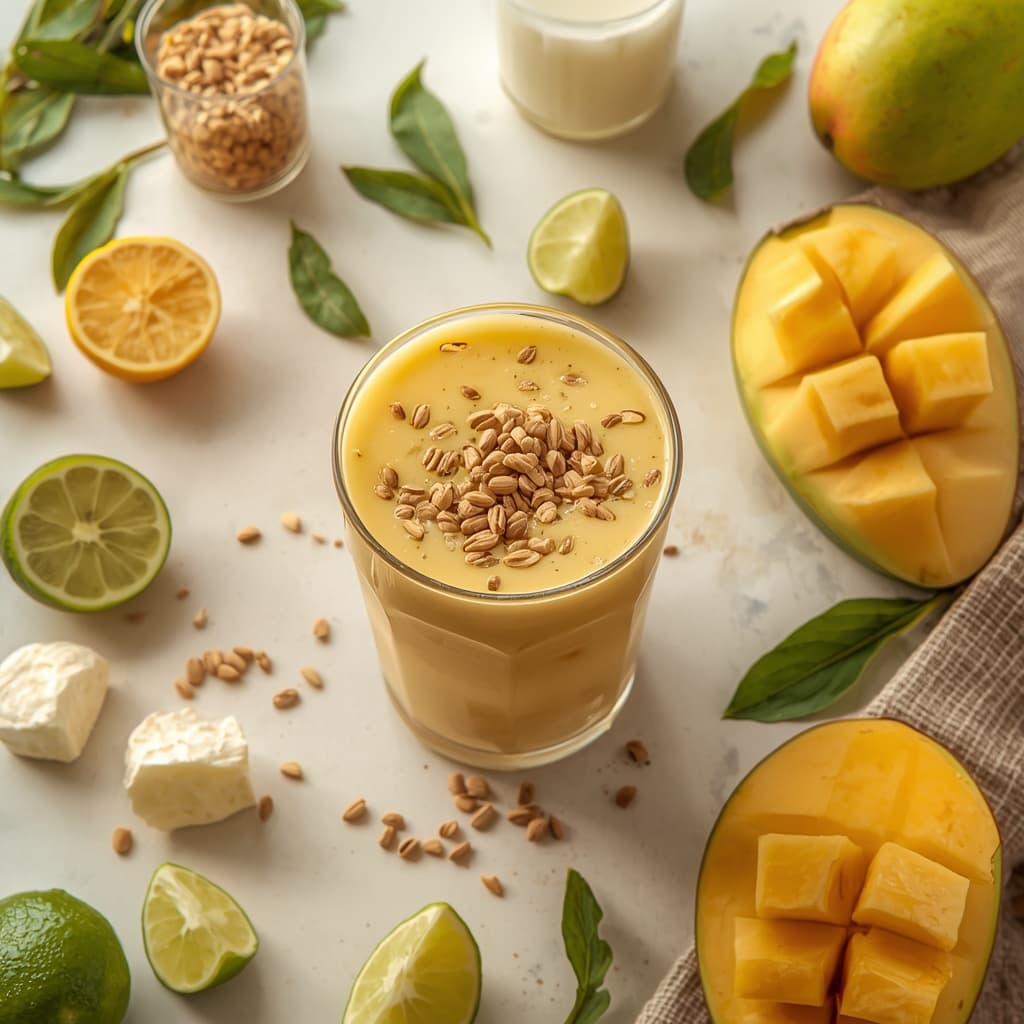
A creamy mango smoothie with banana, milk and lime for a smooth tropical flavour with a refreshing citrus finish.
Curious what a smoothie can do for you? Browse recipes by health benefits
Eye health is about supporting the normal structure and function of the eyes throughout life. Healthy vision depends on many factors, including genetics, age, lifestyle, regular eye examinations and overall nutrition.
A balanced diet cannot guarantee perfect eyesight or prevent every eye condition, but the foods we eat can provide nutrients that play important roles in normal eye function.
That is the idea behind Fluudie’s eye health smoothie recipes. Rather than presenting one “miracle ingredient”, these smoothies combine different fruits, vegetables, nuts and seeds to help you include a wider variety of nutrient-rich plant foods in your diet.
The recipes on this page feature ingredients such as carrots, spinach, kale, mango, berries, oranges, grapefruit, avocado, walnuts and chia seeds.
Each brings something slightly different to the glass: some contribute carotenoids, some provide vitamin C, while others add healthy fats, fibre, flavour or a smoother texture.
These smoothies are designed around ingredients that contain nutrients associated with normal eye function and a healthy diet.
Carrots, mango and other yellow or orange fruits and vegetables contain carotenoids. Some carotenoids, including beta-carotene, can be converted by the body into vitamin A.
Vitamin A is important for normal vision, including the retina’s ability to detect light, and it also plays a role in keeping the surface of the eye healthy.
That is why ingredients such as carrot and mango are a natural fit for this collection. They also create smooth, naturally sweet smoothies without needing added sweeteners.
Dark leafy greens are particularly interesting for eye-focused recipes. Spinach and kale contain lutein and zeaxanthin, carotenoids that are found in the retina. The National Eye Institute notes that these nutrients may act as natural antioxidants and help absorb some high-energy blue and ultraviolet light.
For smoothies, leafy greens work especially well when balanced with sweeter fruit. Kiwi and pineapple can add freshness, banana can soften the flavour and mango can make a green smoothie taste more rounded and tropical.
Blueberries, raspberries and strawberries give smoothies their vibrant red, purple and blue colors while adding a wide variety of naturally occurring plant compounds. Berries are a simple way to bring more fruit variety into your diet and make eye health smoothies taste fresh rather than overly vegetable-focused.
A deep purple blueberry and raspberry smoothie, for example, offers a completely different flavour experience from a carrot and mango blend. This variety matters because a balanced diet is about more than repeatedly eating one supposedly “perfect” ingredient.
Oranges, grapefruit, kiwi and lime bring a fresh, tangy character to smoothies and are useful for adding variety to a fruit and vegetable-rich diet. Vitamin C also has antioxidant properties and is present in several parts of the eye.
In practical recipe terms, citrus fruit is also valuable because it balances richer ingredients. Avocado, banana, nuts and seeds can make a smoothie feel creamy and satisfying, while orange, kiwi or lime helps keep the final flavour bright and fresh.
Ingredients such as walnuts, chia seeds, hazelnuts and avocado can add richness and texture to a smoothie. Chia seeds and walnuts also provide plant sources of omega-3 fatty acids, while avocado and nuts contribute unsaturated fats as part of a balanced diet.
These ingredients can also help create a more satisfying smoothie. That makes them useful when you want a breakfast-style blend rather than a light fruit drink.
There is no single “best” time of day to drink a smoothie for eye health. What matters more is the overall pattern of your diet and regularly eating a variety of nutritious foods.
Many people enjoy these smoothies:
At breakfast for a quick way to include fruit and vegetables early in the day.
As a mid-morning or afternoon snack when you want something fresh and filling.
After exercise when a cool fruit smoothie sounds appealing.
Alongside a meal as another way to add variety to your intake of fruits and vegetables.
If you prefer a more filling smoothie in the morning, choose recipes containing ingredients such as banana, avocado, walnuts or chia seeds. For a lighter option, a blend based on kiwi, orange, grapefruit, berries or water can feel especially fresh.
The key point is simple: drink the smoothie when it fits naturally into your routine. Consistency and overall dietary variety are more important than trying to drink a specific smoothie at an exact time.
The best eye health smoothie does not need to contain every possible nutrient in one glass. A good approach is to rotate between different ingredient combinations.
You might choose:
Carrot + mango + orange for a bright smoothie built around orange colored fruit and vegetables.
Spinach or kale + kiwi + lime for a fresh green blend featuring leafy vegetables.
Blueberry + raspberry + strawberry for a colorful berry smoothie.
Avocado + fruit when you want a creamier texture.
Walnut or chia seeds + berries for a richer, more satisfying smoothie.
By varying the recipes you make, you can enjoy different flavors, colors and ingredients instead of relying on the same smoothie every day.
It is important to keep eye health in perspective. Smoothies can help you include more fruits and vegetables in your diet, but they are not a substitute for medical care, eye examinations or treatment for an eye condition.
Overall eye health also involves broader lifestyle factors. Includes foods such as dark leafy greens and highlights the importance of physical activity while protecting your vision.
The smoothies in this collection make it easy to turn ingredients such as carrots, spinach, kale, berries, mango, kiwi, citrus fruit, avocado, walnuts and chia seeds into something genuinely enjoyable to drink.
Some are cool and fruity. Some are creamy and satisfying. Others are crisp, green and refreshing. What they share is a focus on varied, nutrient-rich ingredients that can fit into a balanced diet and support a lifestyle that looks after your overall health — including your eyes.
Explore the recipes above and find an eye health smoothie that suits your taste, whether you are in the mood for a golden carrot and mango blend, a deep purple berry smoothie or a fresh green glass of spinach and kiwi.