4 min
398 kcal
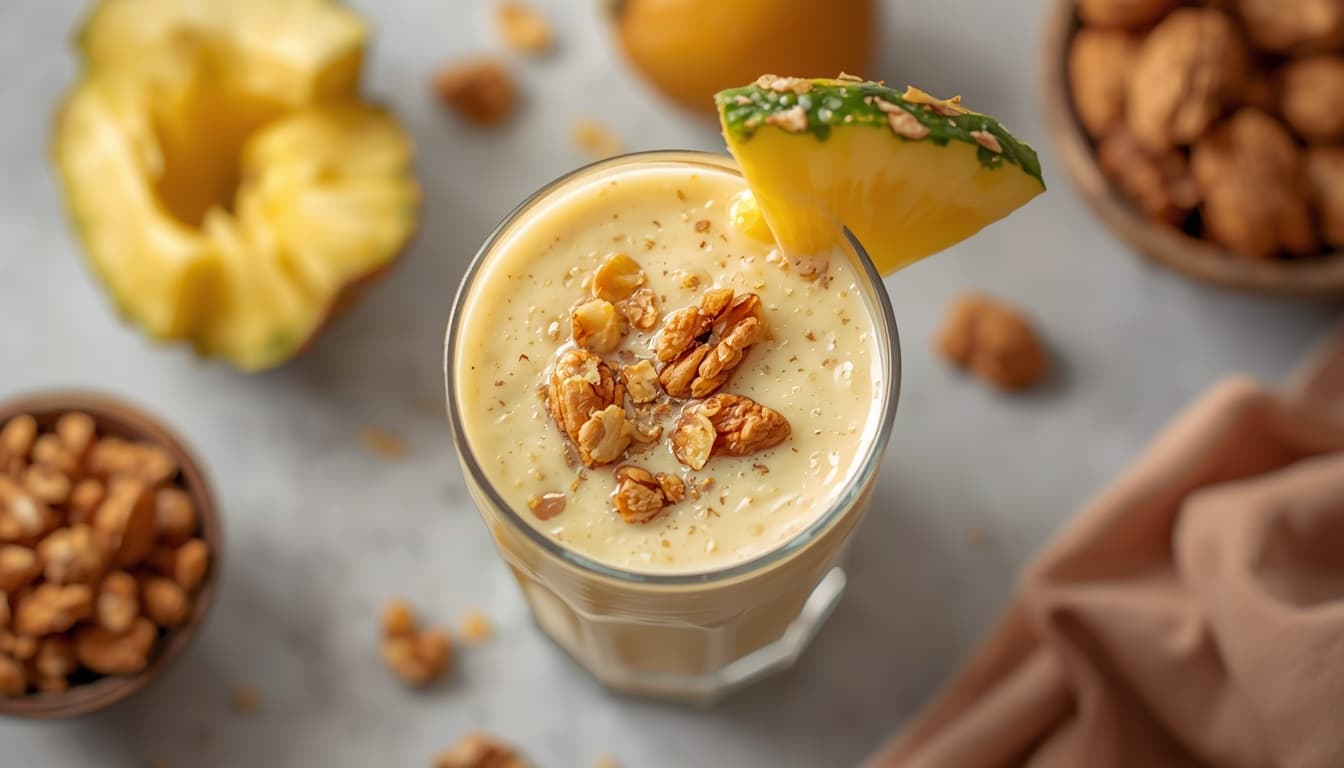
Pineapple Walnut Cream
A creamy pineapple smoothie with walnut and milk, balancing juicy tropical fruit with a subtle nutty finish.
Skin
Brain
Digestion
Bones
Heart
Hair
Immune System
Explore our collection of smoothies for heart health, made with ingredients such as berries, spinach, kale, avocado, walnuts, chia seeds, apples and citrus fruit. These recipes…
A creamy pineapple smoothie with walnut and milk, balancing juicy tropical fruit with a subtle nutty finish.
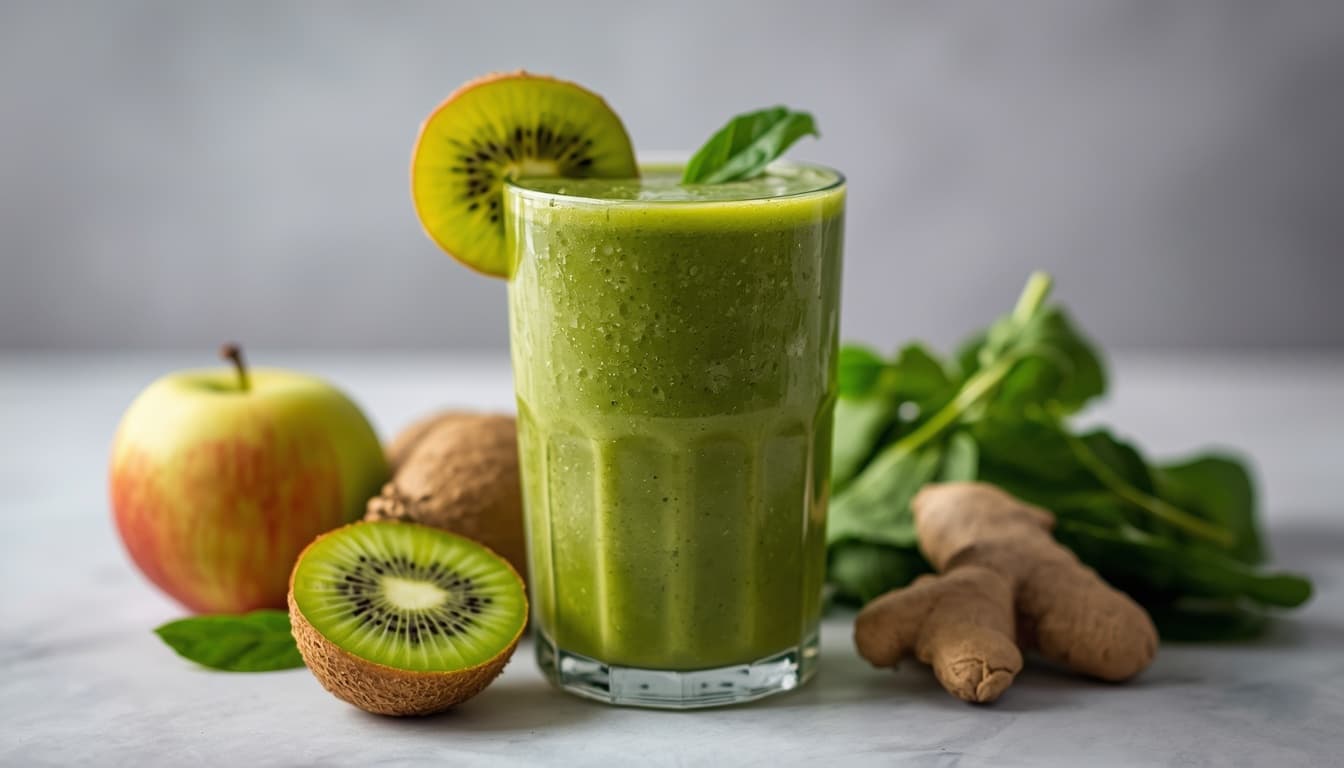
Crisp apple and tangy kiwi create a refreshing green smoothie with spinach and ginger.
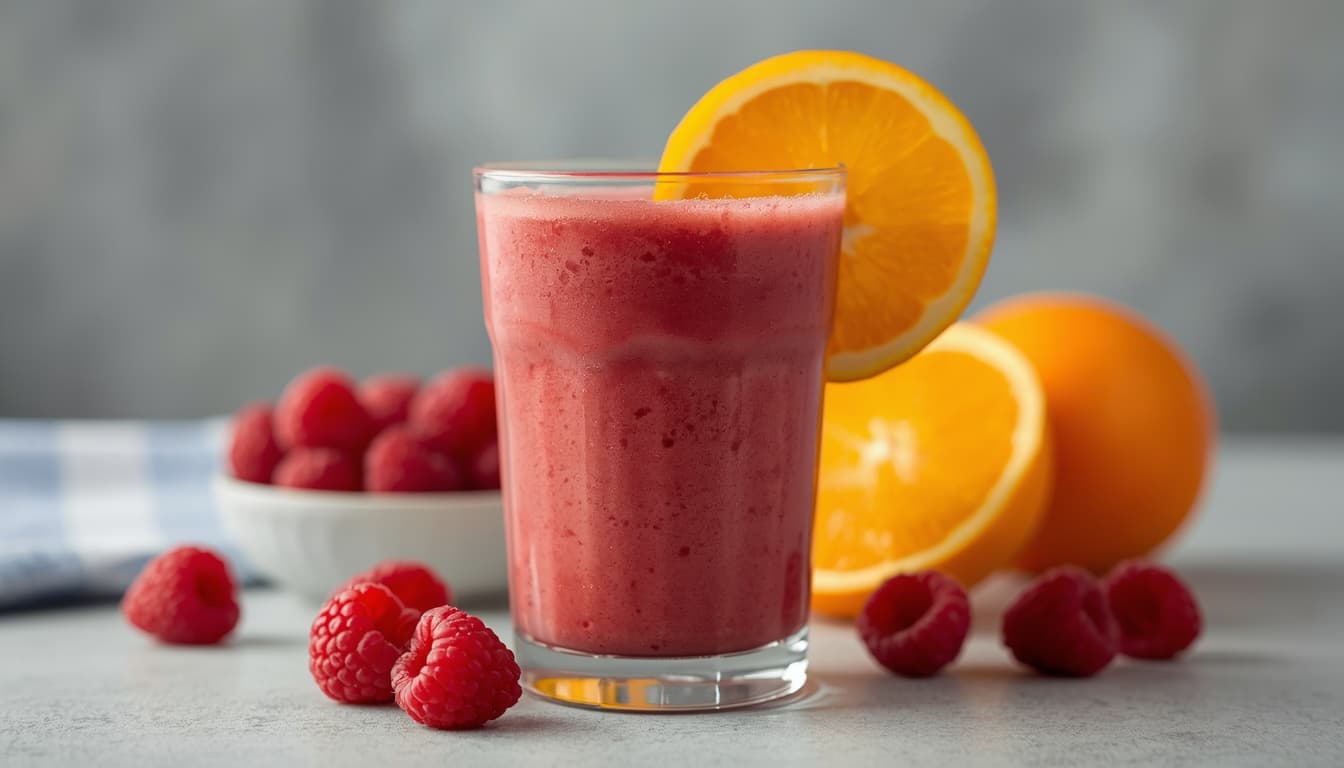
A bright raspberry and orange smoothie with a juicy, refreshing flavour and vibrant berry character.
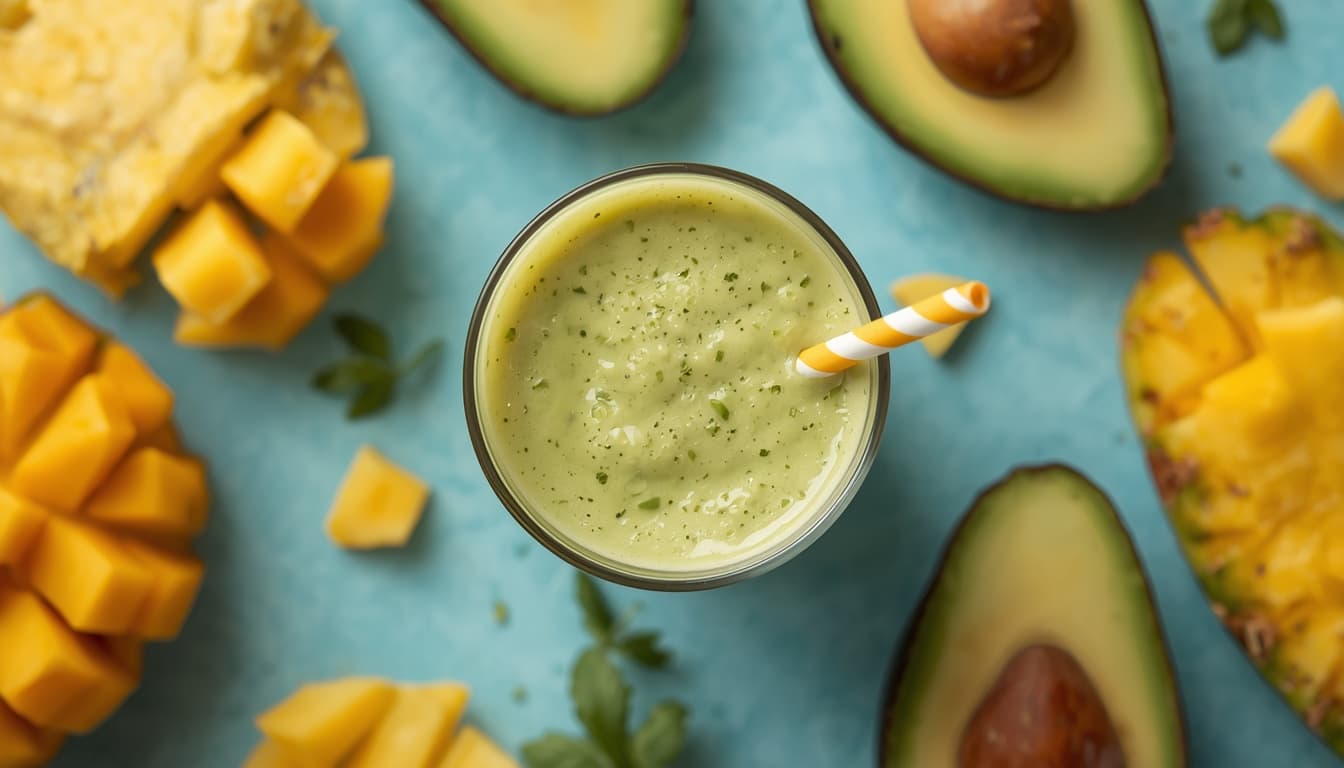
Creamy avocado meets mango and pineapple in a smooth tropical blend.
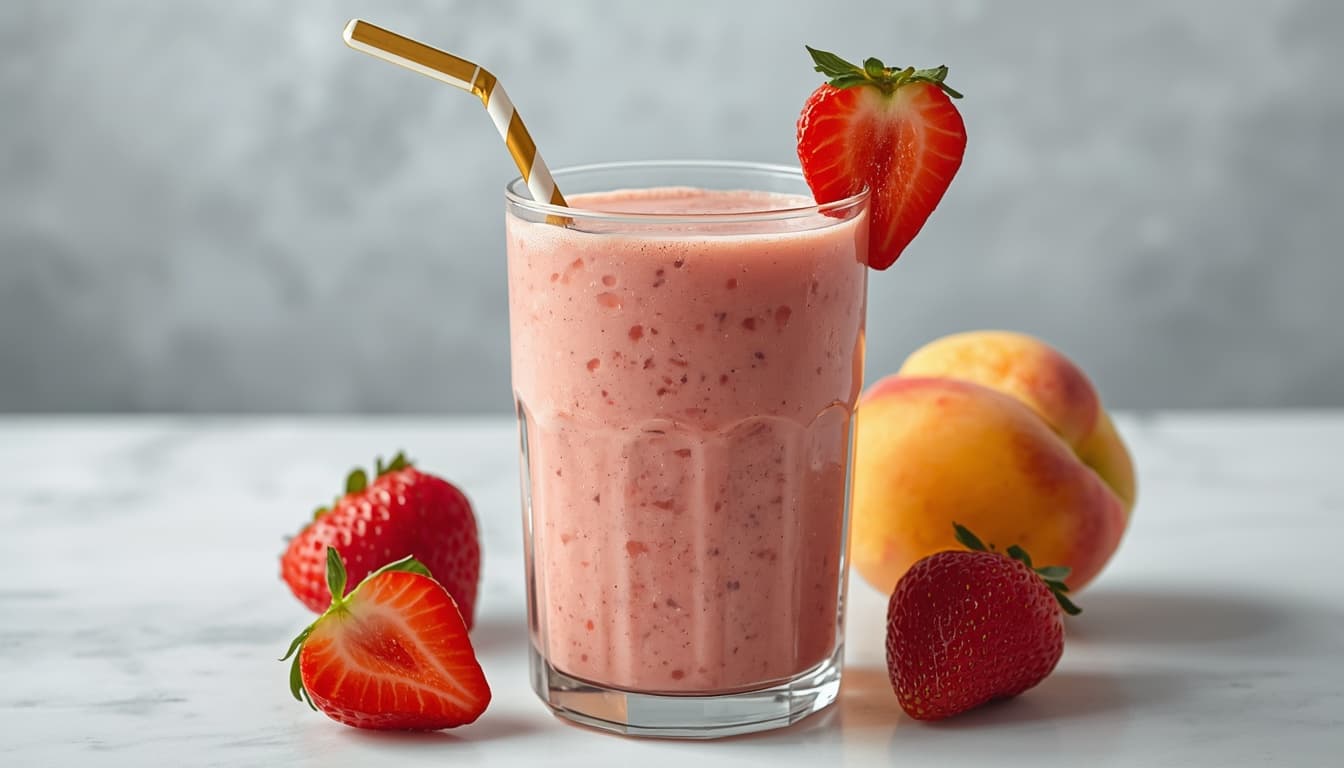
A creamy strawberry and peach smoothie with almond, combining sweet berries with soft, juicy stone fruit.
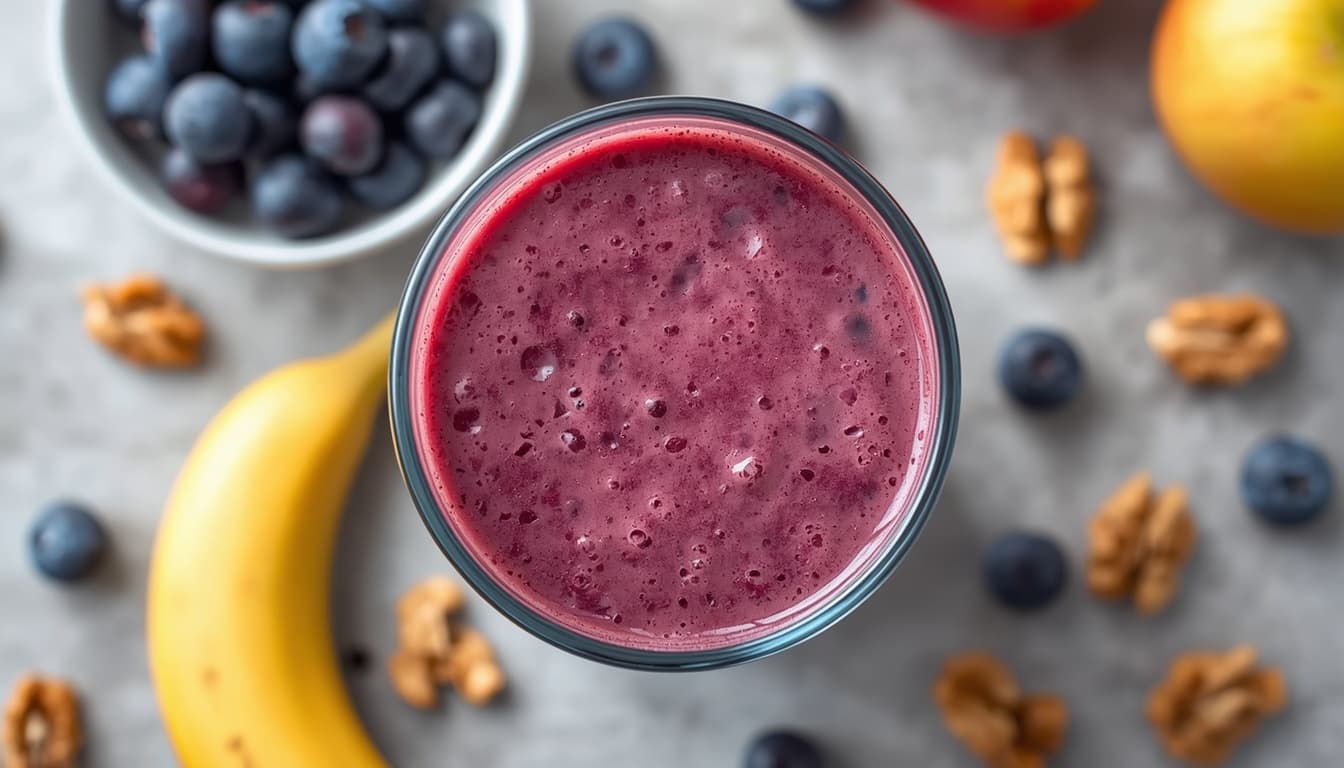
A fruity blueberry and apple smoothie with banana and walnut for a rich, naturally sweet finish.
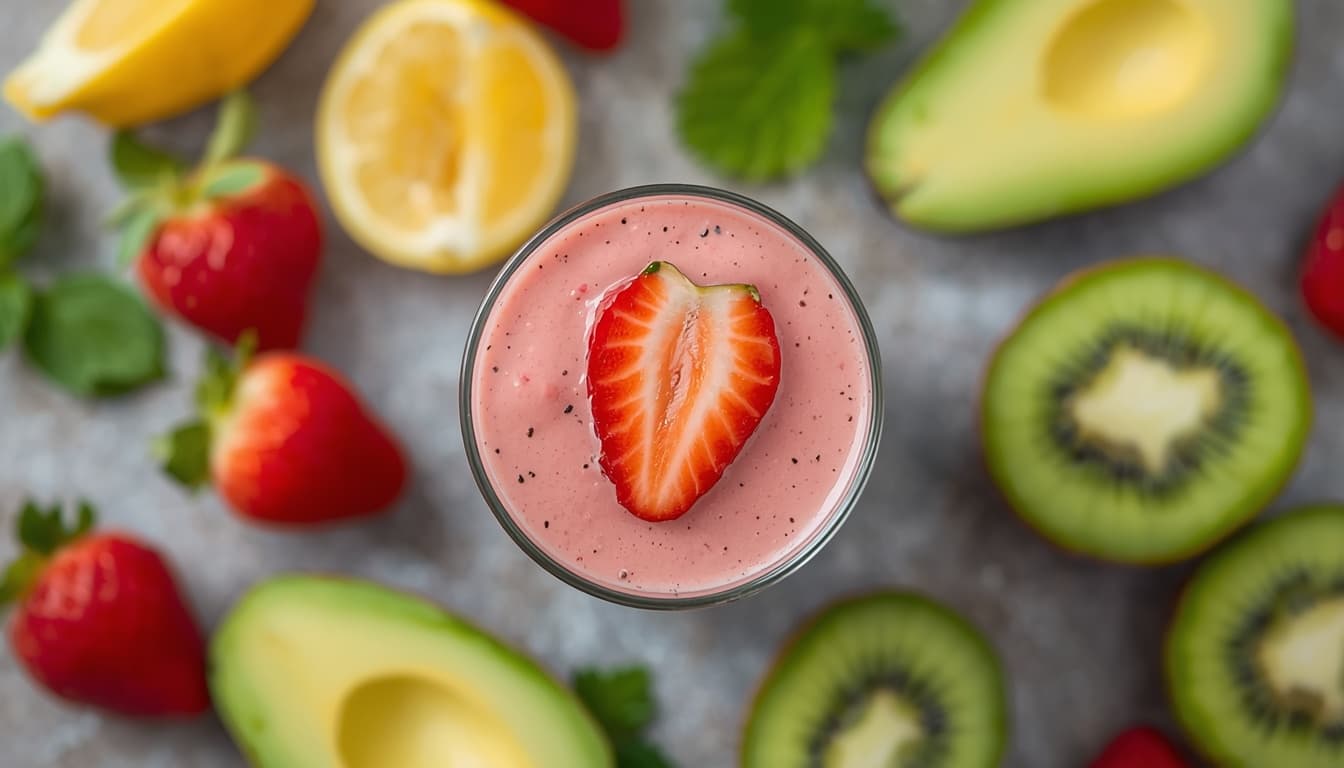
Strawberry and kiwi bring bright fruitiness to a silky avocado-based smoothie.
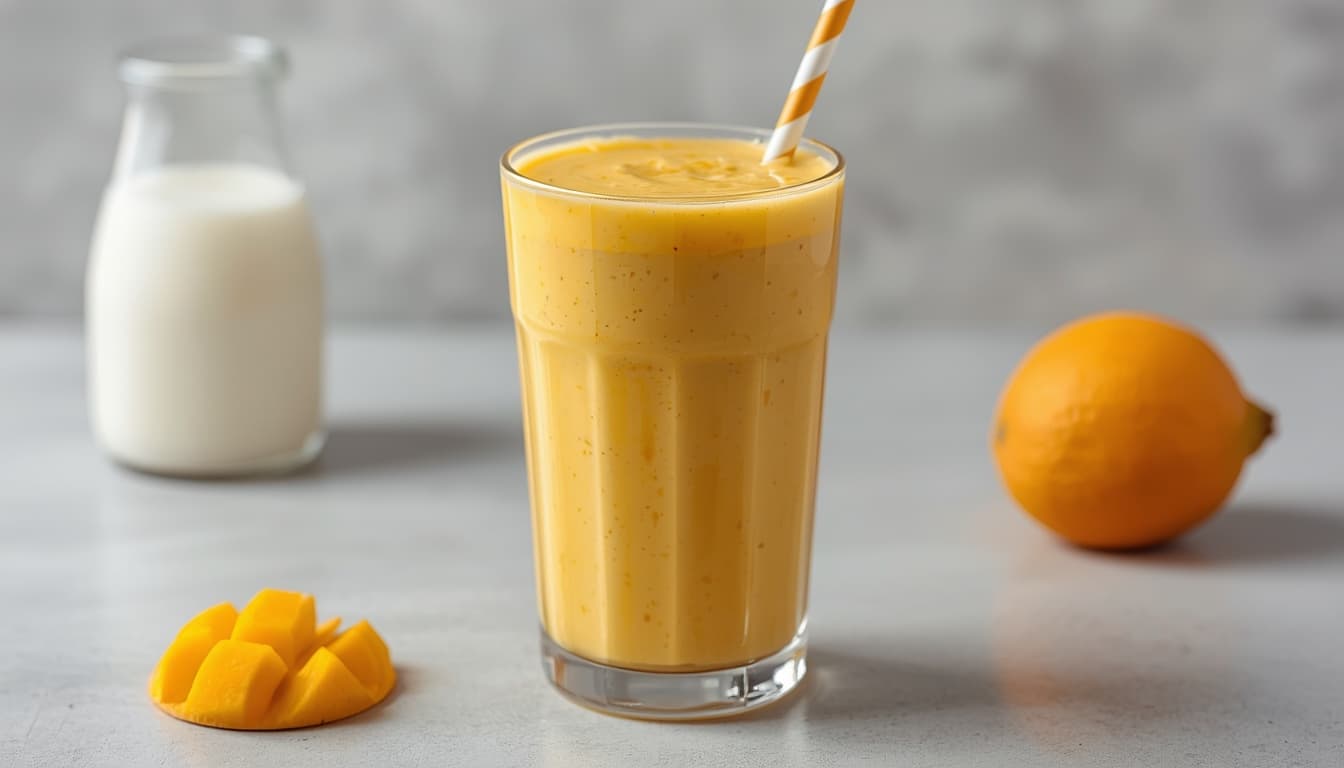
A creamy mango and orange smoothie with banana and milk for a bright, sunny tropical blend.
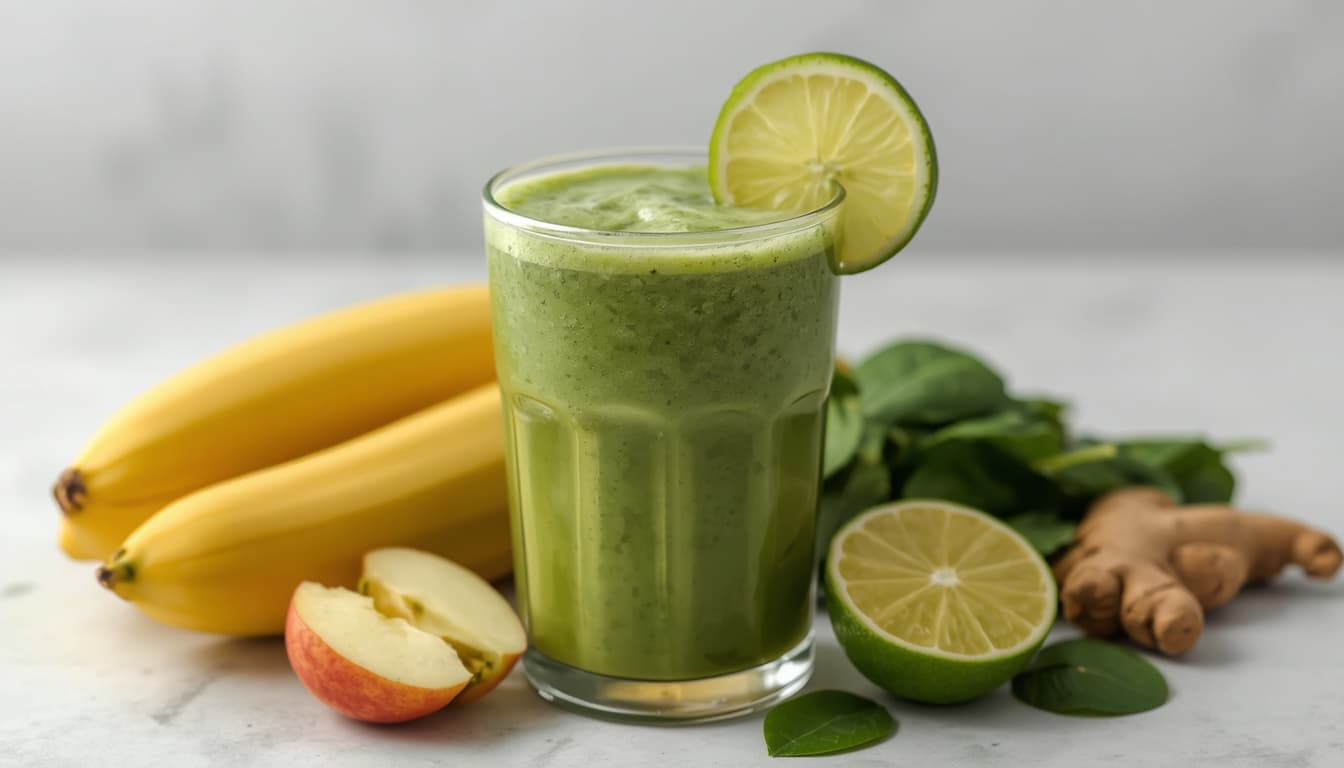
A crisp green smoothie made with apple, spinach, lime and ginger for a fresh, clean finish.
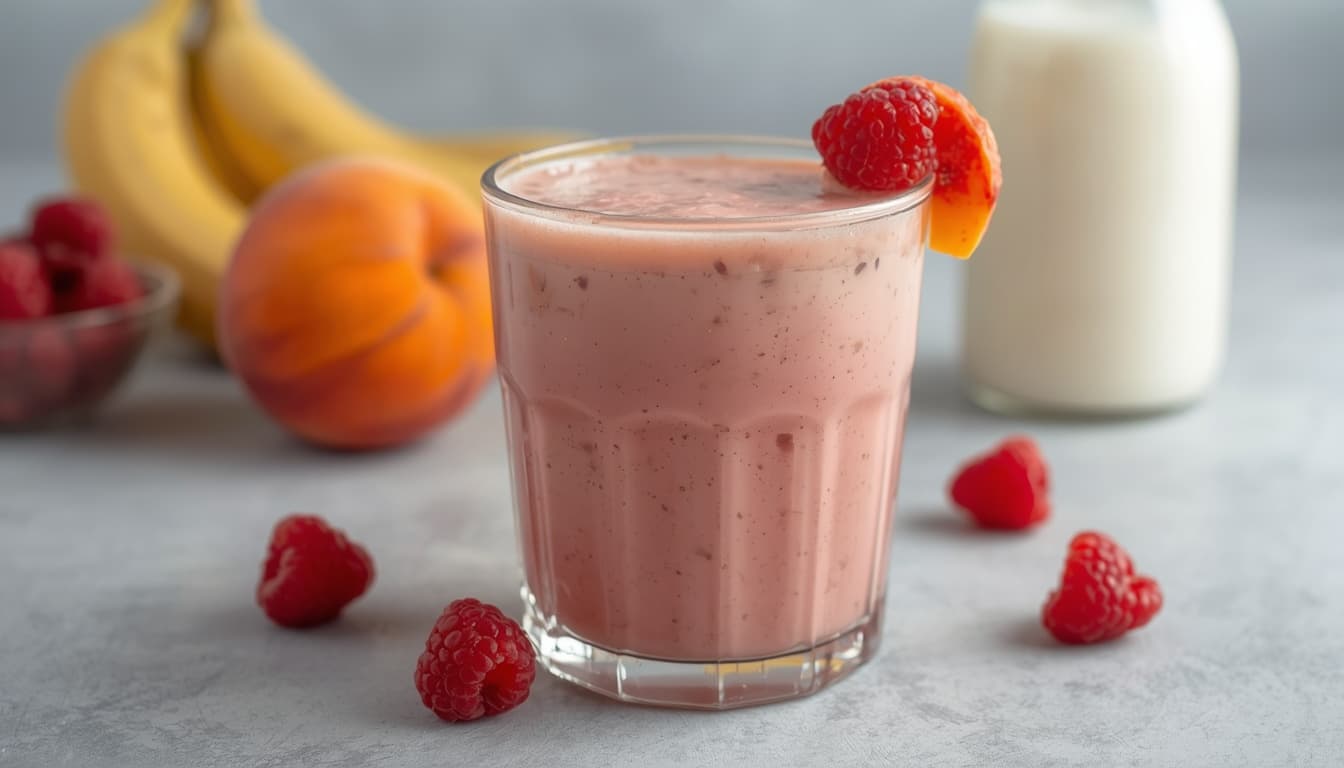
A creamy raspberry and peach smoothie with banana and milk for a soft, naturally sweet berry flavour.
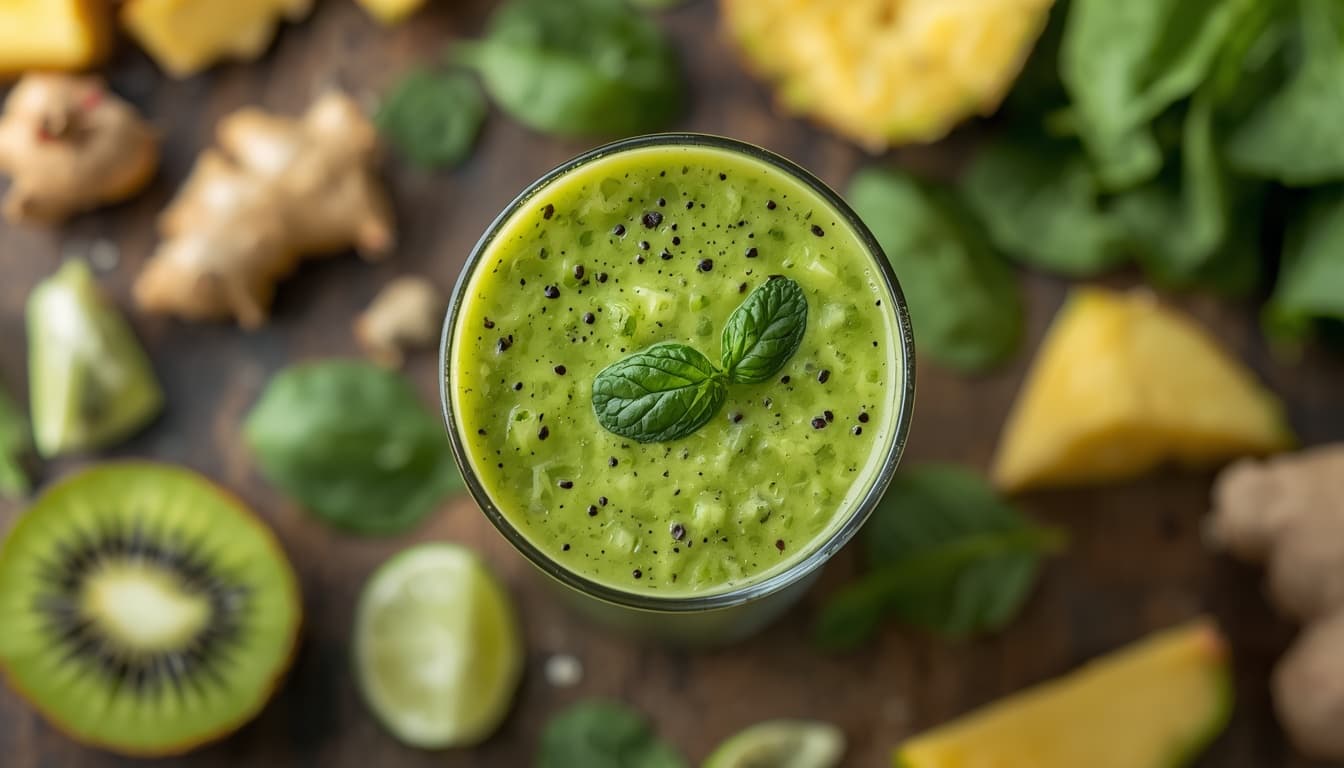
A fresh green smoothie with kiwi, pineapple, spinach, lime and ginger for a bright tropical flavour.
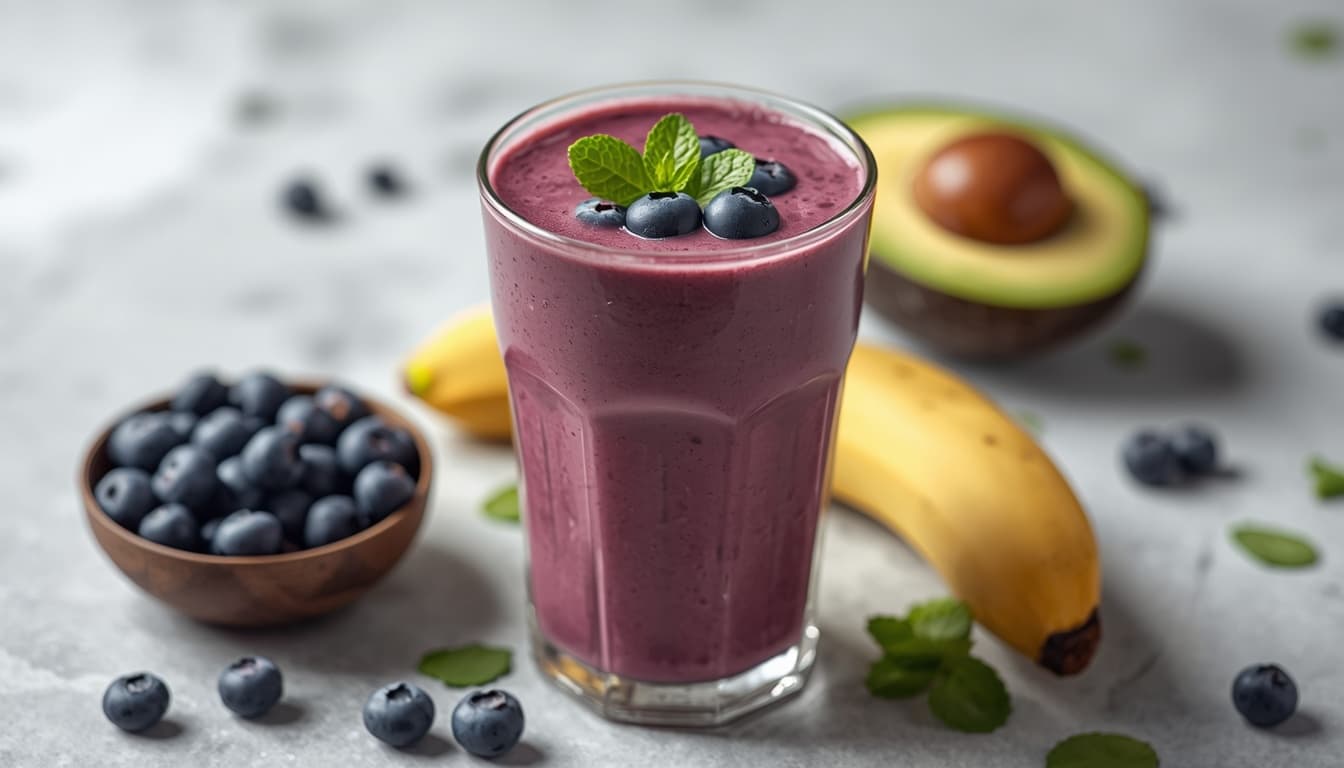
A silky blueberry smoothie with avocado, banana and lime for a creamy, naturally fruity blend.
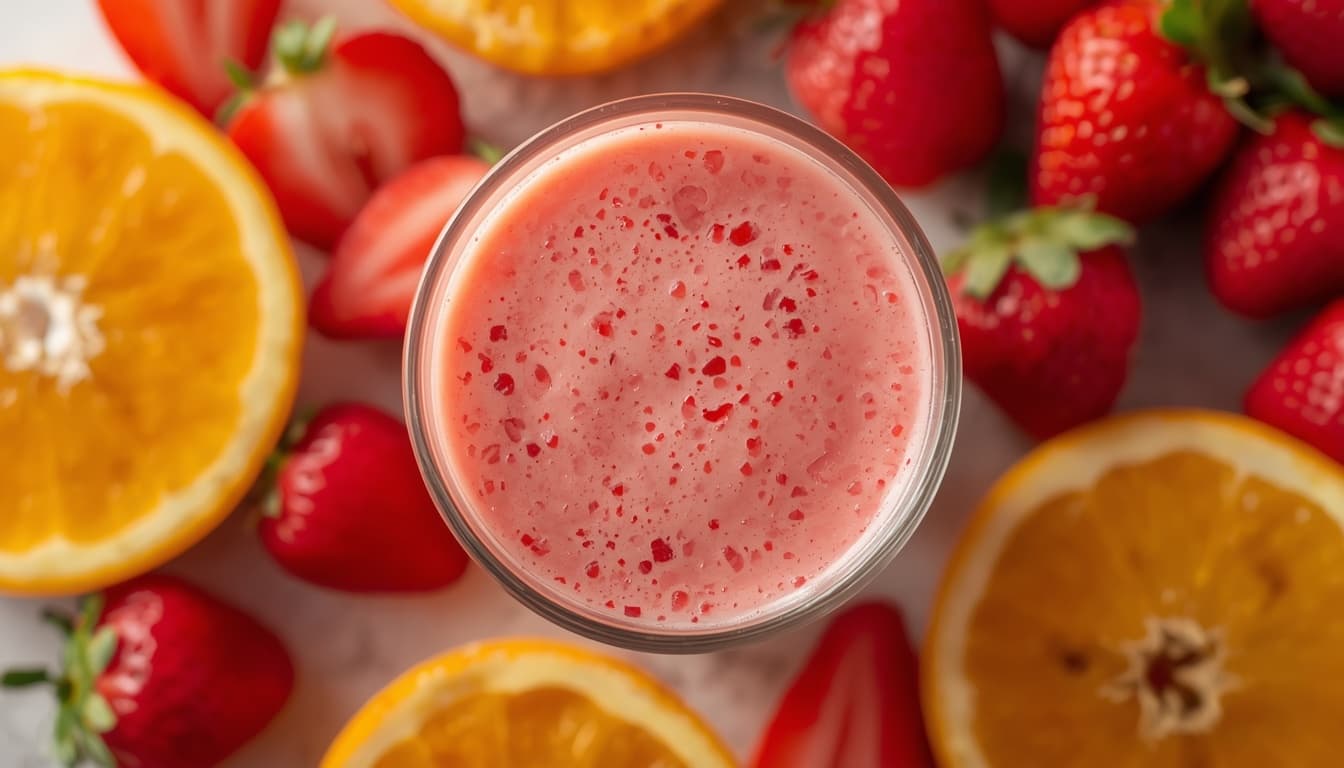
A bright strawberry and orange smoothie with a juicy, refreshing flavour and naturally vibrant colour.
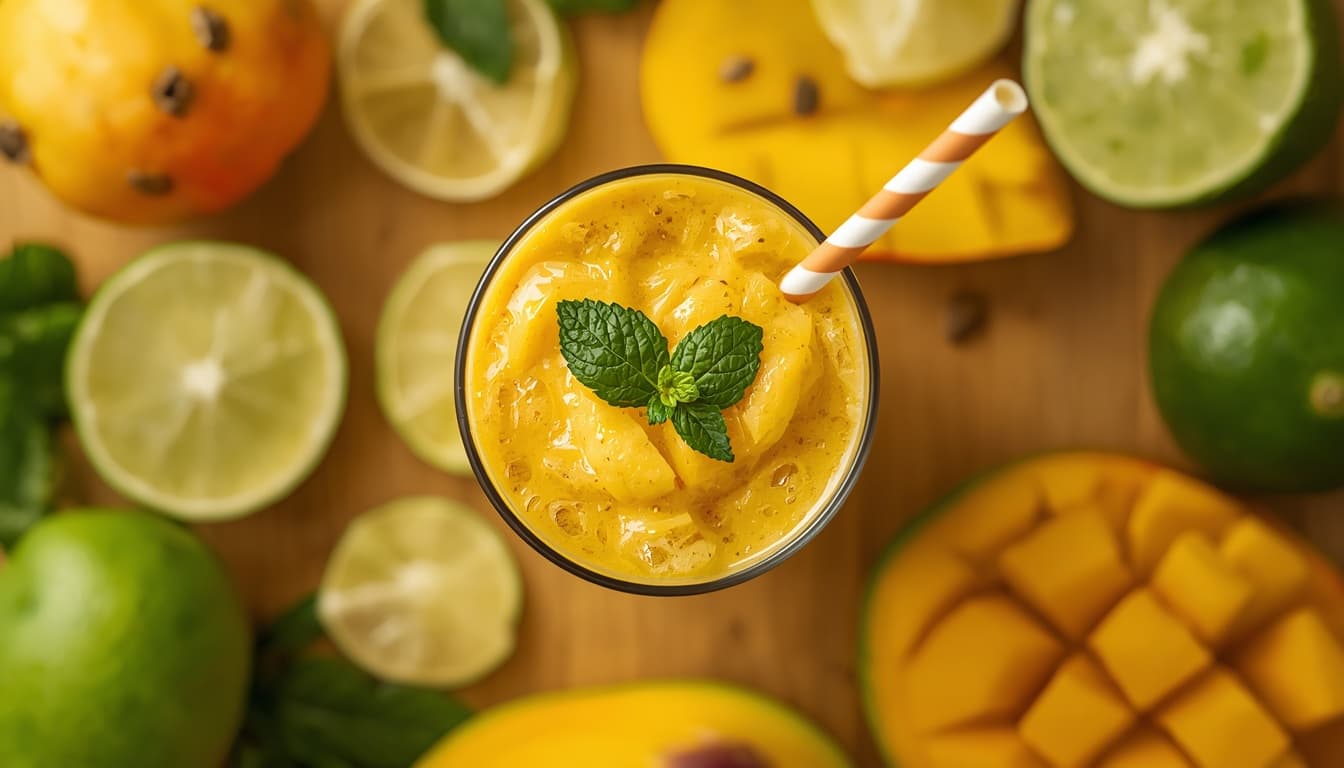
A golden, velvety smoothie with ripe mango, creamy avocado and a sharp splash of lime.
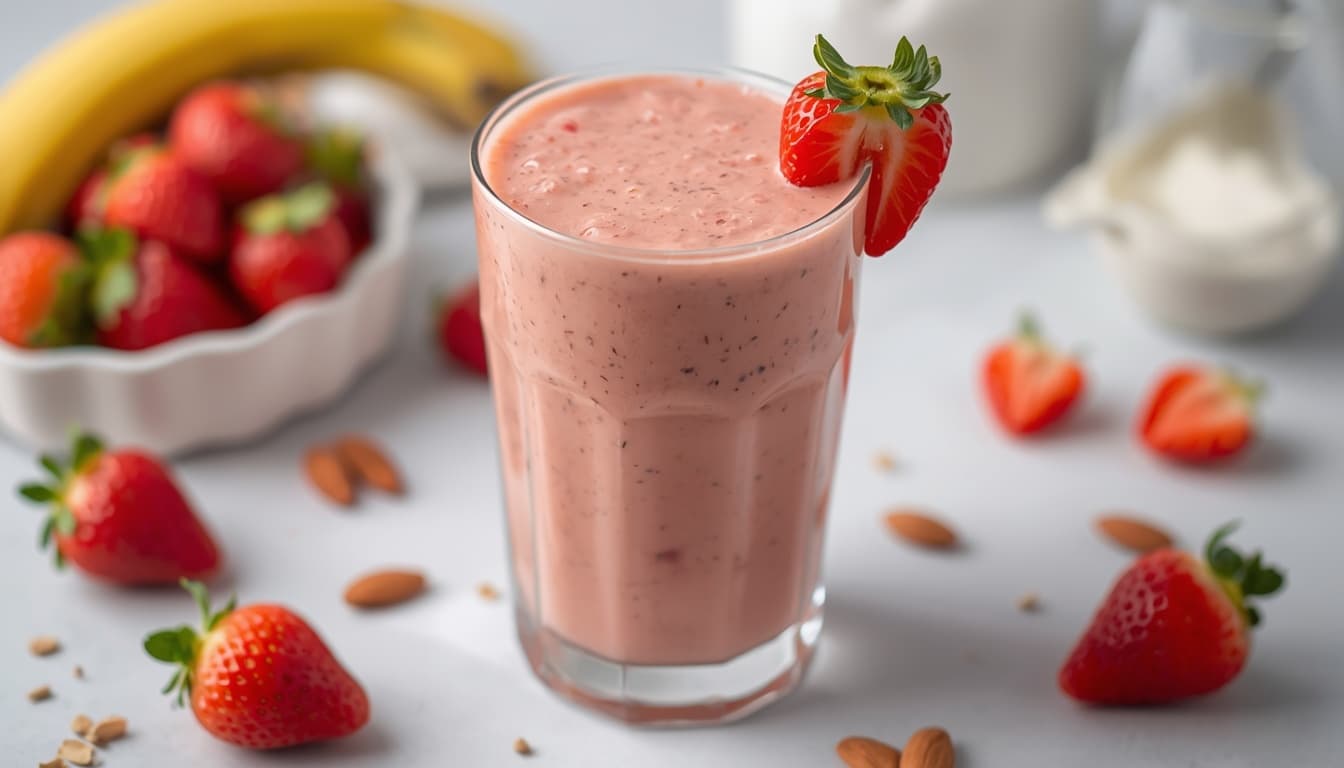
A creamy strawberry smoothie with banana and almond, combining sweet berries with a smooth, nutty finish.
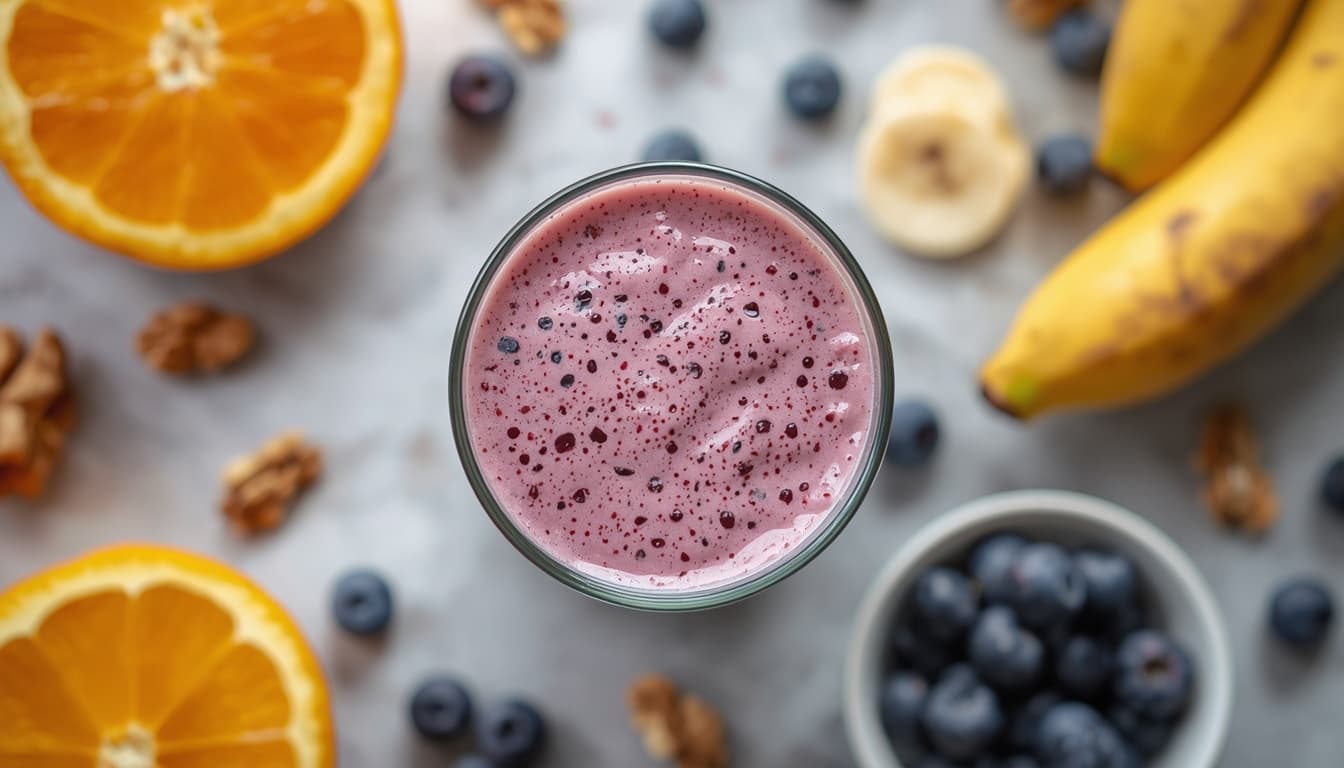
Bright orange and blueberry meet walnut in a juicy smoothie with a subtle creamy finish.
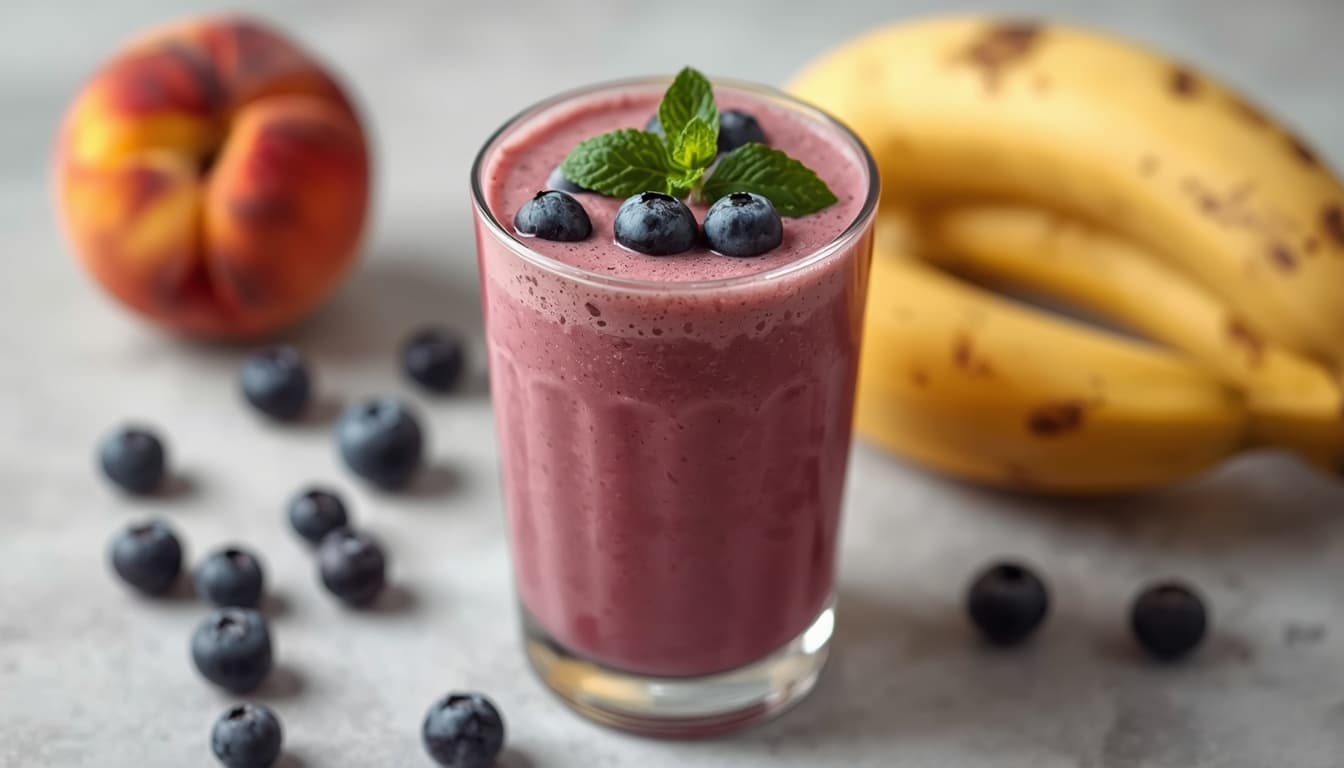
Juicy peach and blueberry come together in a cool purple-blue smoothie with a soft, creamy texture.
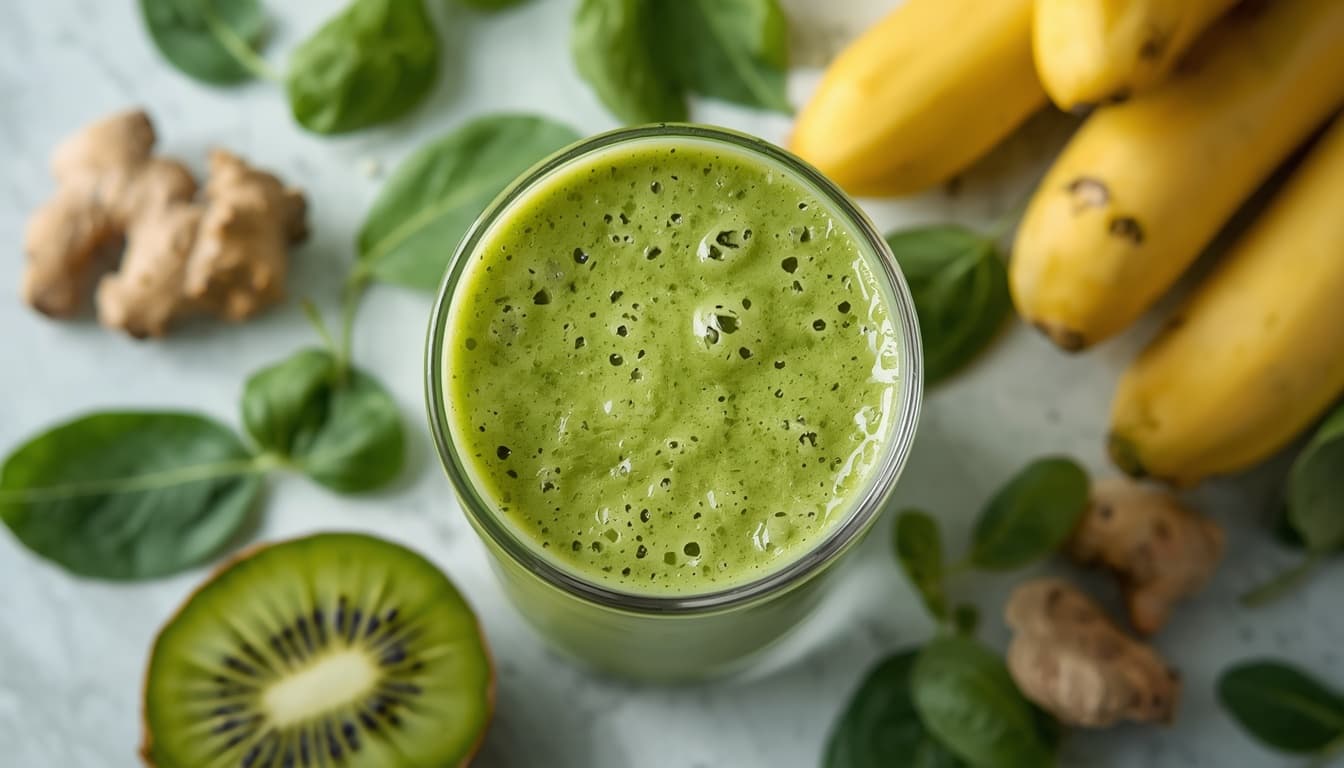
Tart kiwi and juicy pineapple create a bright green smoothie with spinach and ginger.
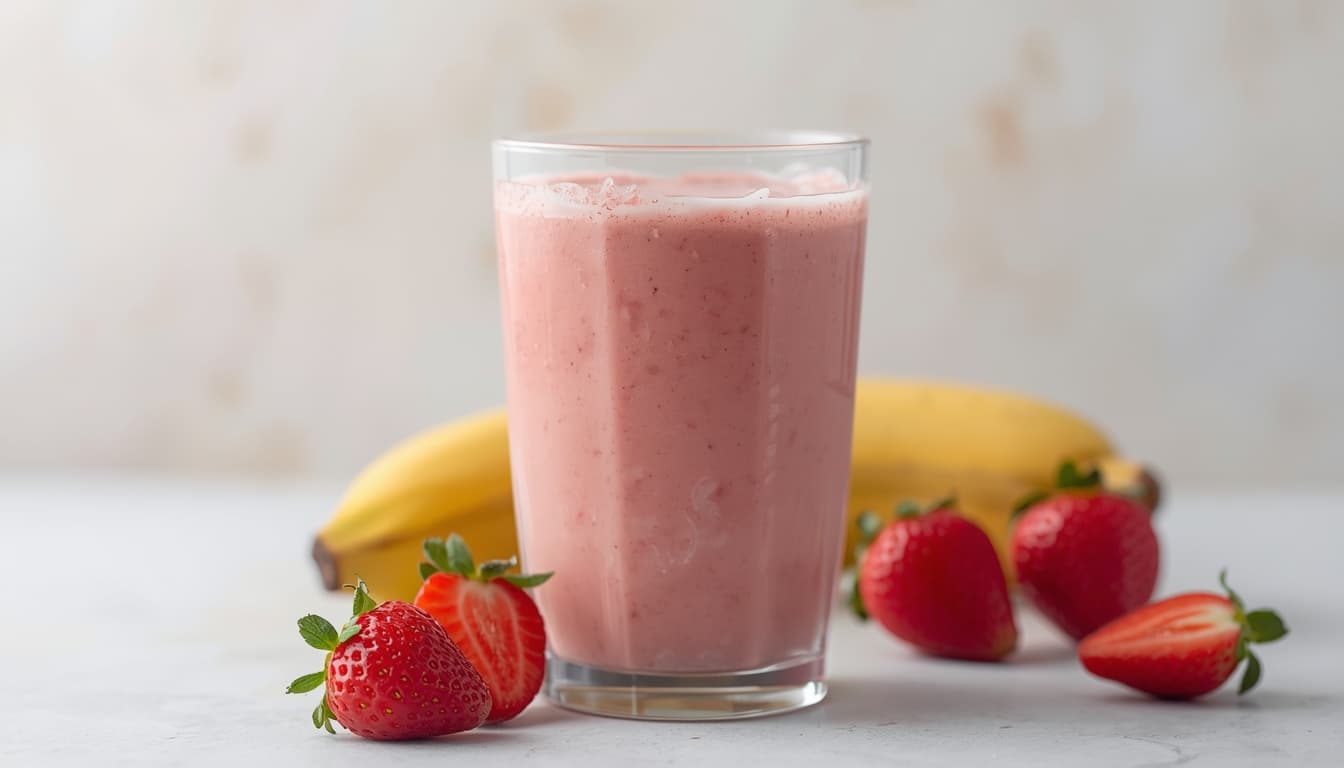
A soft, creamy strawberry smoothie with banana and almond for a naturally sweet, nutty finish.
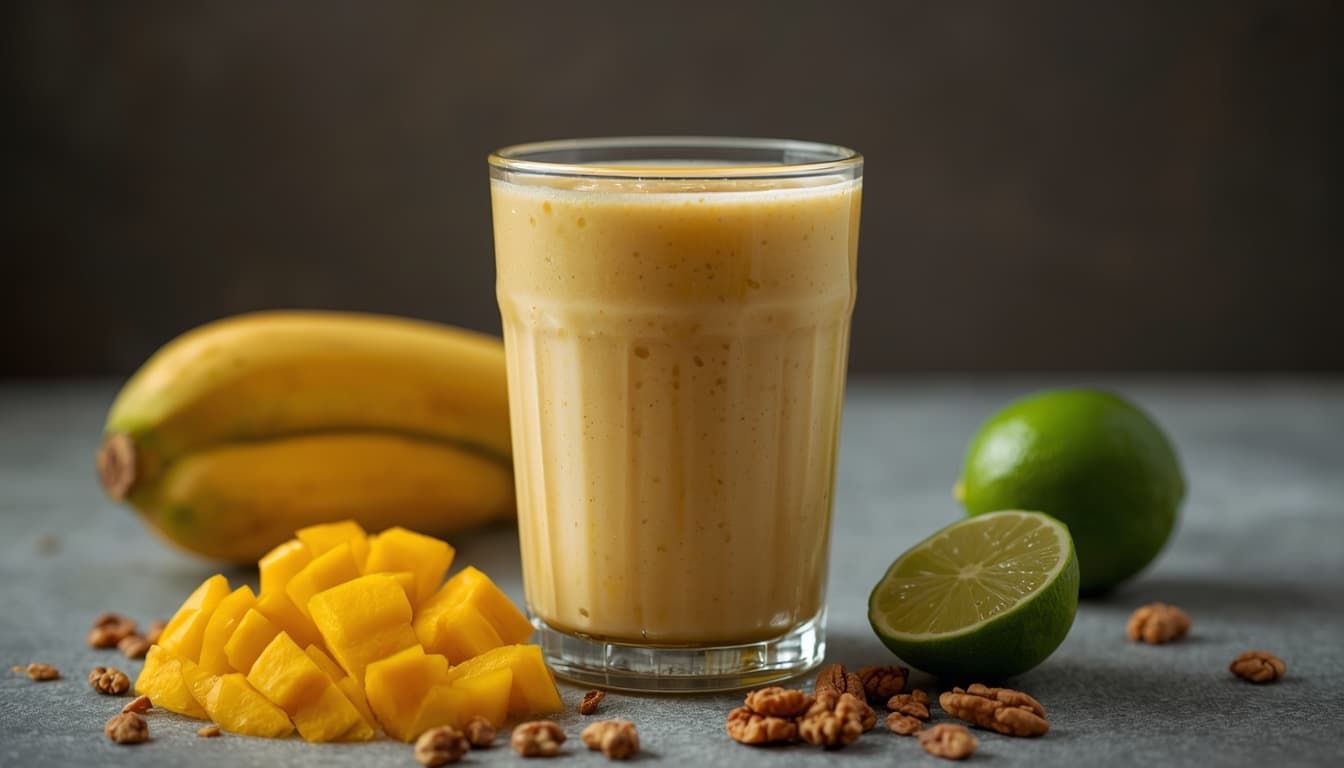
A creamy mango smoothie with banana and walnut, balanced with a bright squeeze of lime.
Curious what a smoothie can do for you? Browse recipes by health benefits
Heart health refers to the overall health of your heart and circulatory system. Your heart continuously pumps blood around your body, supplying tissues with oxygen and nutrients. Looking after cardiovascular health involves much more than a single food or drink. Regular physical activity, not smoking, managing blood pressure and cholesterol, maintaining a healthy weight where appropriate, and eating a balanced diet all play important roles.
That is where these heart health smoothies fit in.
Rather than promising that one particular smoothie can protect your heart, this collection focuses on recipes built from a variety of nutritious plant foods. Berries, leafy greens, apples, avocado, walnuts, chia seeds and citrus fruits all bring different flavours and nutritional qualities to the blender.
The result is a collection of smoothies that can make it easier and more enjoyable to include a wider variety of fruits, vegetables, nuts and seeds in your everyday diet.
There is no single ingredient that makes a smoothie “good for the heart.” Instead, the value comes from the overall combination of ingredients and how they fit into a balanced eating pattern.
Many of the recipes in this collection include foods that provide fibre, unsaturated fats, vitamins, minerals and naturally occurring plant compounds.
Blueberries, raspberries and strawberries are some of the most colourful ingredients in the Fluudie collection. They provide fibre and a variety of naturally occurring plant compounds while bringing plenty of flavour to a smoothie.
Their natural sweetness also means you can create a satisfying smoothie without automatically reaching for added sugar.
Try combining berries with banana for creaminess, apple for freshness or avocado for a richer texture.
Spinach and kale are useful smoothie ingredients because they contribute vegetables while keeping the drink relatively light.
Kale and spinach work particularly well with fruit. Kiwi, apple, pineapple, orange and lime can add enough sweetness or acidity to balance their fresh green flavour.
If you are new to green smoothies, pairing a modest amount of leafy greens with naturally sweet fruit can make the transition much easier.
Avocado has a naturally buttery texture that can transform a fruit smoothie into something much creamier and more substantial.
It also provides predominantly unsaturated fat. Replacing some sources of saturated fat with unsaturated fats is part of a heart-conscious approach to eating.
You do not need much avocado to change the texture. Around 40–70g can be enough to give a smoothie a noticeably smoother, richer character.
Walnuts and chia seeds are particularly useful when you want a smoothie with a more substantial nutritional profile.
Walnuts provide unsaturated fats, while chia seeds contribute fibre and plant-based omega-3 fatty acid (ALA). They also change the texture of a smoothie slightly, making it thicker and more satisfying.
Berry smoothies are an especially natural pairing for these ingredients. The tartness of berries works well with the mild nuttiness of walnuts or chia.
Apple is an easy way to bring freshness and natural sweetness to a smoothie.
It pairs particularly well with spinach, kale, ginger and lime. The result can be crisp and refreshing rather than overly creamy.
Keeping the skin on when appropriate can also contribute additional fibre, although it is worth washing the apple thoroughly before blending.
Orange, grapefruit, lime and kiwi can bring acidity and freshness to smoothies.
This is useful when recipes contain richer ingredients such as avocado, walnuts or chia seeds. A little citrus can prevent the smoothie from tasting heavy and can make the whole blend feel brighter.
Orange also works beautifully with berries, mango and carrot, while grapefruit creates a sharper, more grown-up flavour.
Rather than looking for one “best” ingredient, aim for variety.
Some useful combinations include:
Blueberry + walnut + banana for a rich, creamy berry smoothie.
Strawberry + chia seeds + orange for a bright, fruity blend.
Apple + spinach + lime for something fresh and green.
Avocado + blueberry + banana when you want a thicker, creamier smoothie.
Raspberry + kale + apple for a vibrant fruit-and-greens combination.
Pineapple + spinach + ginger for a lighter tropical smoothie.
The recipes don’t all need to taste the same. In fact, rotating between different combinations makes it easier to enjoy a broader range of plant foods.
There is no special time of day when a smoothie suddenly becomes better for your heart.
The more useful approach is to make nutritious foods part of your normal routine.
A smoothie can work well:
A fruit, vegetable and nut-based smoothie can be a convenient breakfast when you want something quick. Recipes containing banana, avocado, chia seeds or walnuts can provide a thicker and more satisfying texture.
A smaller smoothie can be a refreshing alternative to less nutritious snack options. Berry and citrus combinations work particularly well when you want something cool and fruity.
A smoothie can also be an enjoyable post-exercise option, particularly when made with fruit and milk. The important thing is that it complements your overall diet rather than being treated as a special cardiovascular drink.
Ultimately, the best time to drink one is the time that makes sense for you. Eating nutritious foods consistently is more important than trying to find a perfect smoothie schedule.
Yes. Smoothies can be a practical way to include several plant foods in one meal or snack.
However, there is an important distinction between a nutritious smoothie and a smoothie that is automatically healthy simply because it contains fruit.
Fruit is nutritious, but smoothies can become very energy-dense when large quantities of ingredients such as nuts, seeds, avocado or milk are combined. Portion size and the rest of your diet still matter.
For everyday smoothies, focus on a sensible balance of fruit, vegetables, liquid and optional ingredients such as nuts or seeds.
There is also no need to add honey, maple syrup or other sweeteners when the fruit already provides enough sweetness.
Heart health is influenced by your overall lifestyle and dietary pattern rather than one meal.
That makes variety particularly useful.
Instead of drinking the same blueberry smoothie every day, you could alternate between:
Berry smoothies with blueberries, raspberries and strawberries.
Green smoothies with spinach, kale, apple and kiwi.
Creamy smoothies featuring avocado, banana or milk.
Nut and seed smoothies using walnuts, almonds, hazelnuts or chia seeds.
Tropical smoothies built around pineapple and mango.
This approach keeps your smoothies interesting while giving you different combinations of fruits, vegetables, nuts and seeds throughout the week.
A smoothie is only one small part of the bigger picture.
Heart health also depends on factors such as physical activity, smoking, blood pressure, cholesterol, sleep and your overall dietary pattern. The NHS recommends a balanced diet based around a variety of foods, including plenty of fruit and vegetables, while limiting foods high in saturated fat, salt and free sugars.
That is why Fluudie’s heart health recipes focus on real ingredients and practical combinations rather than miracle claims.
These smoothies are not designed to treat heart disease, lower cholesterol by themselves or replace prescribed medication. Instead, they provide enjoyable ways to incorporate more fruit, vegetables, nuts and seeds into everyday eating.
If you have heart disease, high cholesterol, high blood pressure or another cardiovascular condition, follow advice from your doctor or dietitian regarding your individual diet.
The best healthy eating habits are the ones you can enjoy and maintain.
A heart health smoothie does not have to taste like a health food. It can be creamy, sweet, tart, refreshing, tropical or deeply fruity depending on the combination you choose.
Try blueberries with walnuts for a rich purple blend. Pair apple and spinach with lime for something crisp and green. Add chia seeds to strawberries and orange for a bright, fruity smoothie. Or use avocado and banana when you want something particularly smooth and creamy.
The goal isn’t to find one perfect smoothie. It’s to find enjoyable ways to eat more varied, nutrient-rich foods as part of your everyday diet.