4 min
398 kcal
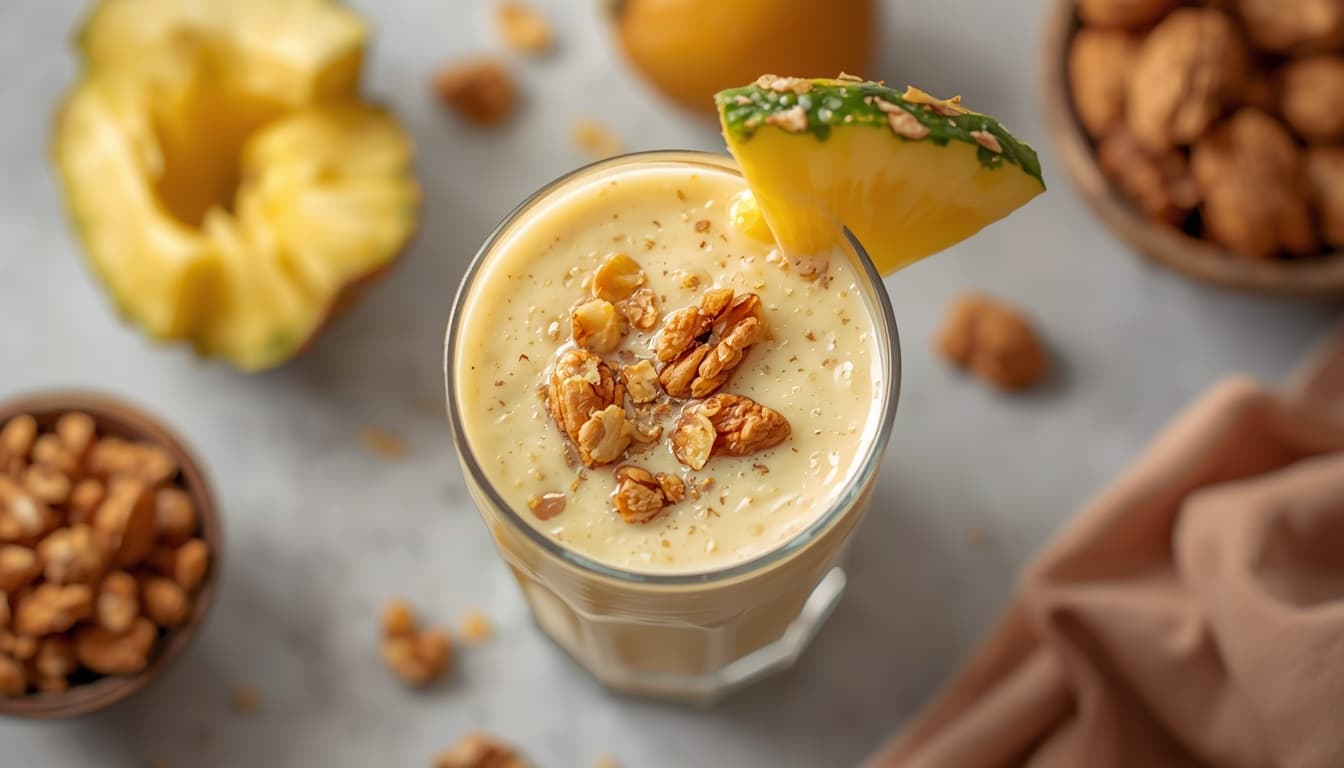
Pineapple Walnut Cream
A creamy pineapple smoothie with walnut and milk, balancing juicy tropical fruit with a subtle nutty finish.
Bones
Heart
Hair
Skin
Immune System
Brain
Digestion
Discover our collection of smoothies for brain health, featuring blueberries, walnuts, chia seeds, avocado, spinach, kale, citrus fruit and colourful berries. These recipes bring…
A creamy pineapple smoothie with walnut and milk, balancing juicy tropical fruit with a subtle nutty finish.
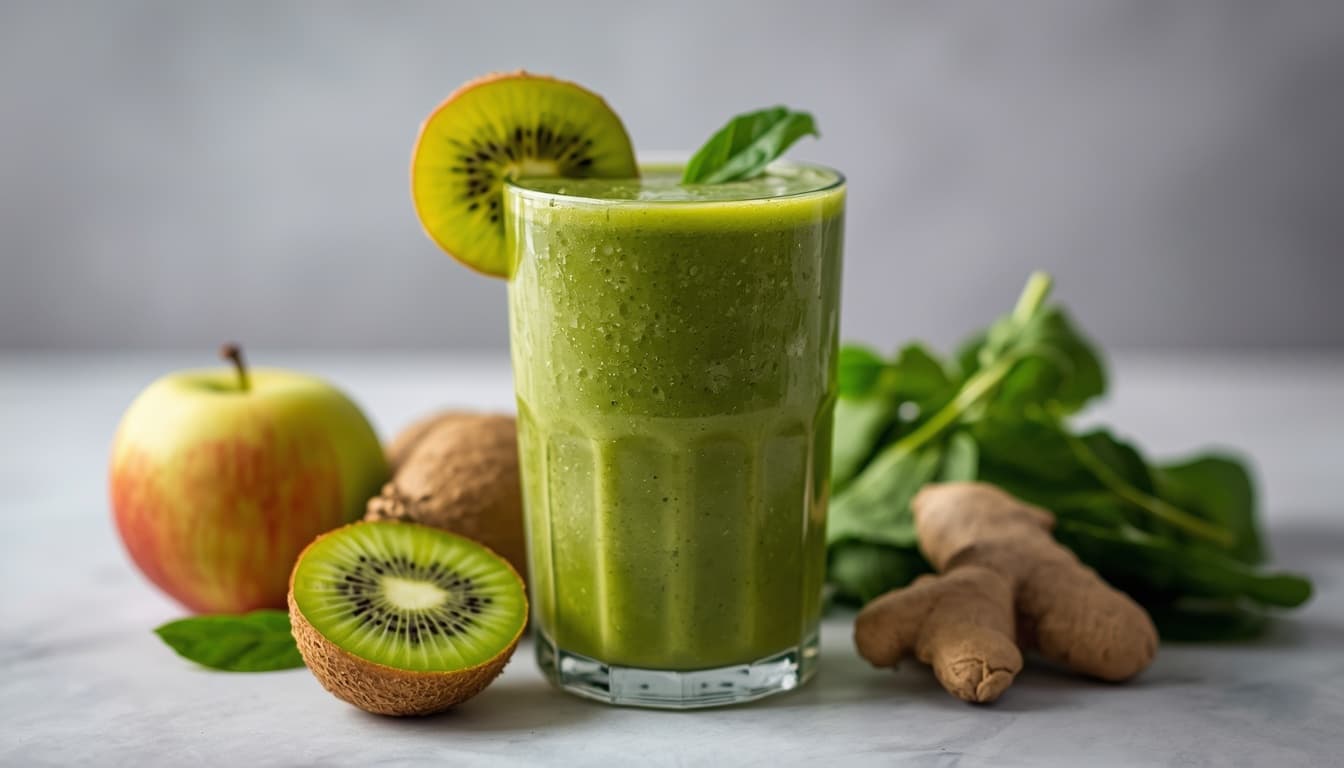
Crisp apple and tangy kiwi create a refreshing green smoothie with spinach and ginger.
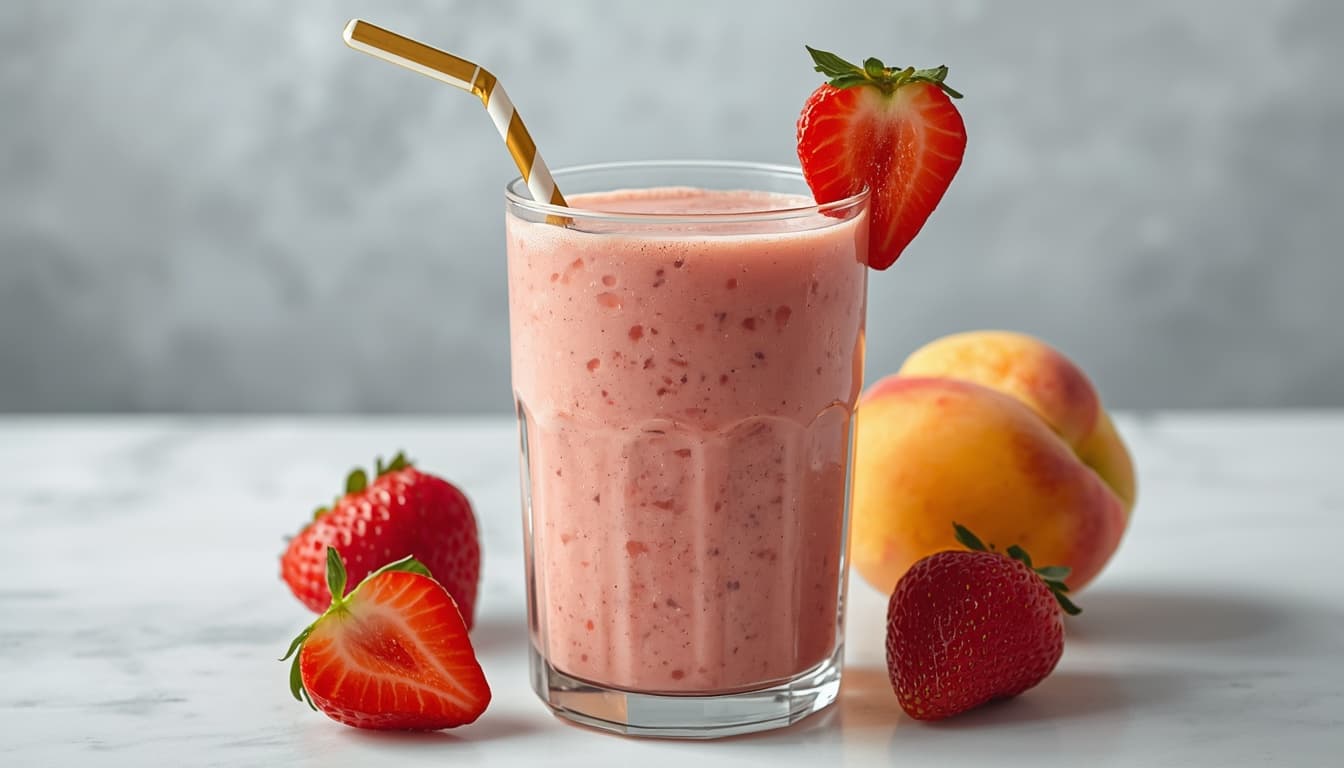
A creamy strawberry and peach smoothie with almond, combining sweet berries with soft, juicy stone fruit.
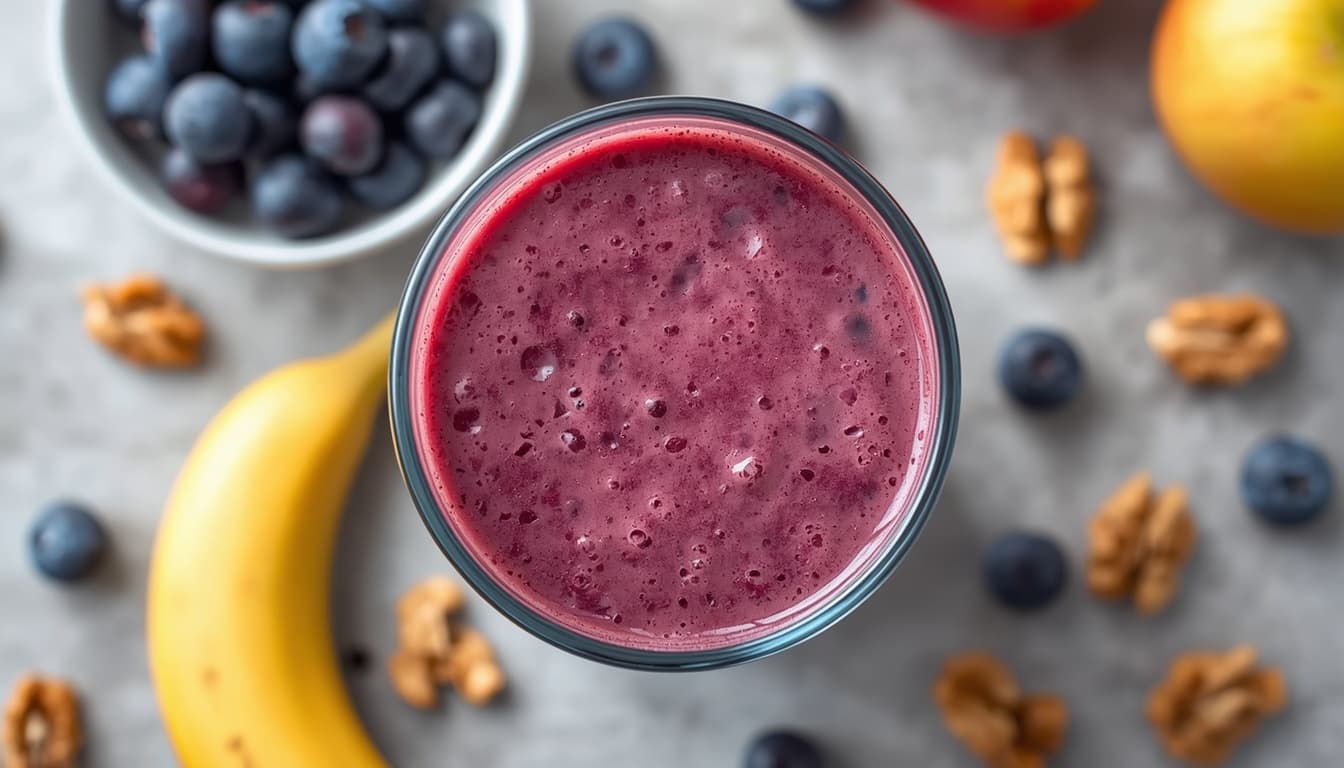
A fruity blueberry and apple smoothie with banana and walnut for a rich, naturally sweet finish.
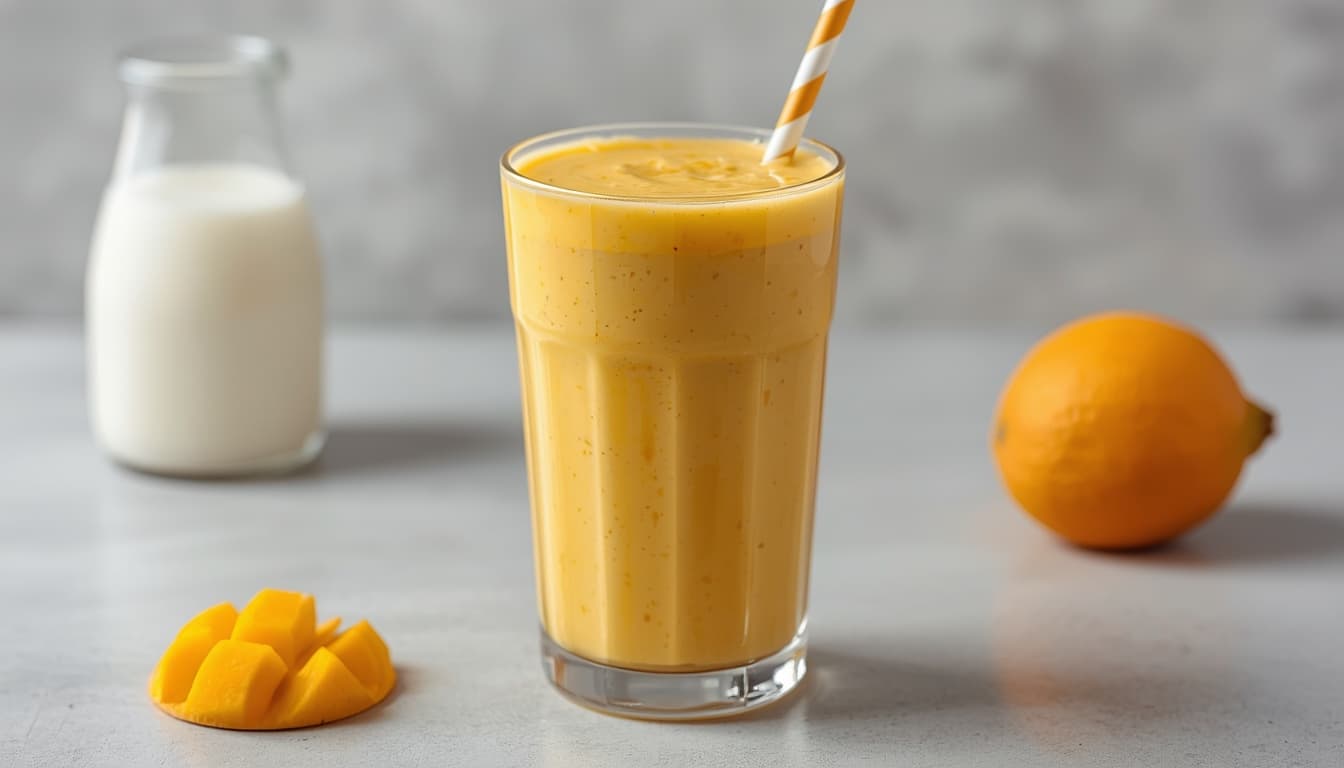
A creamy mango and orange smoothie with banana and milk for a bright, sunny tropical blend.
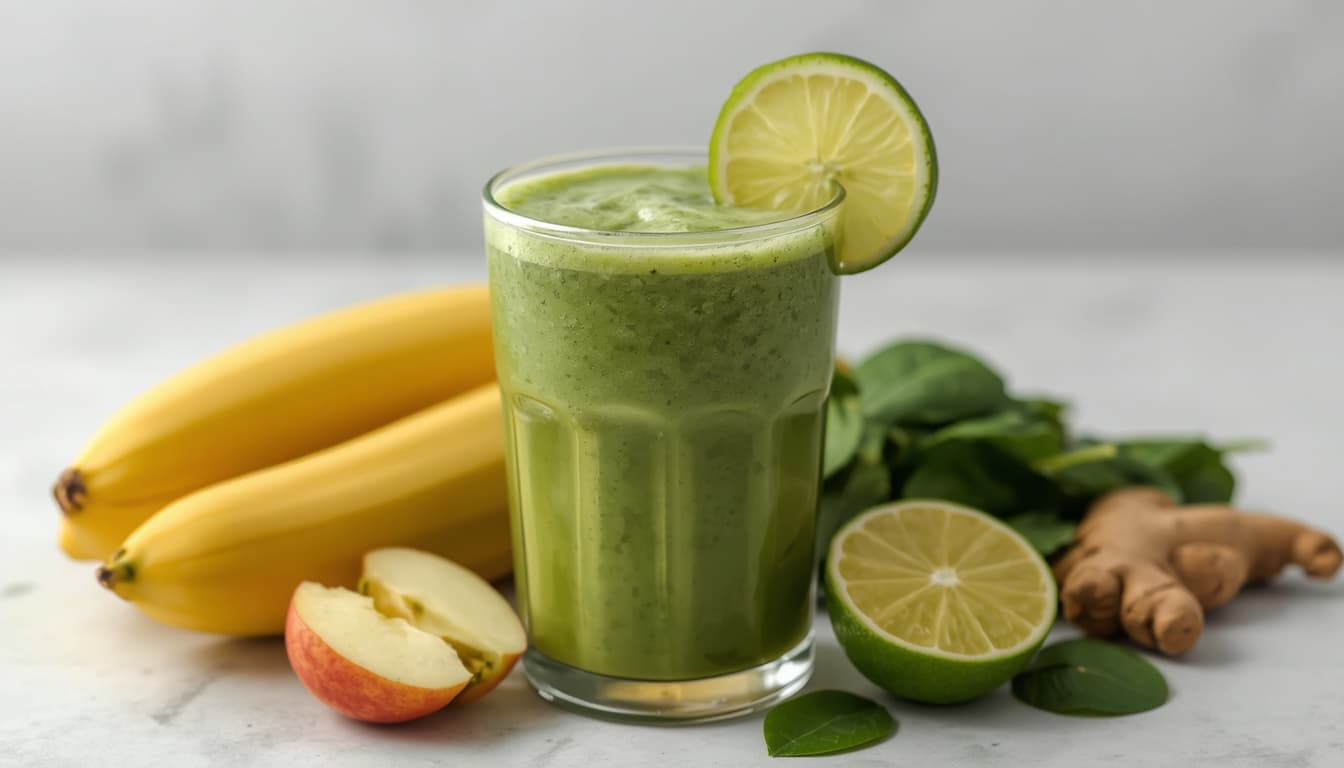
A crisp green smoothie made with apple, spinach, lime and ginger for a fresh, clean finish.
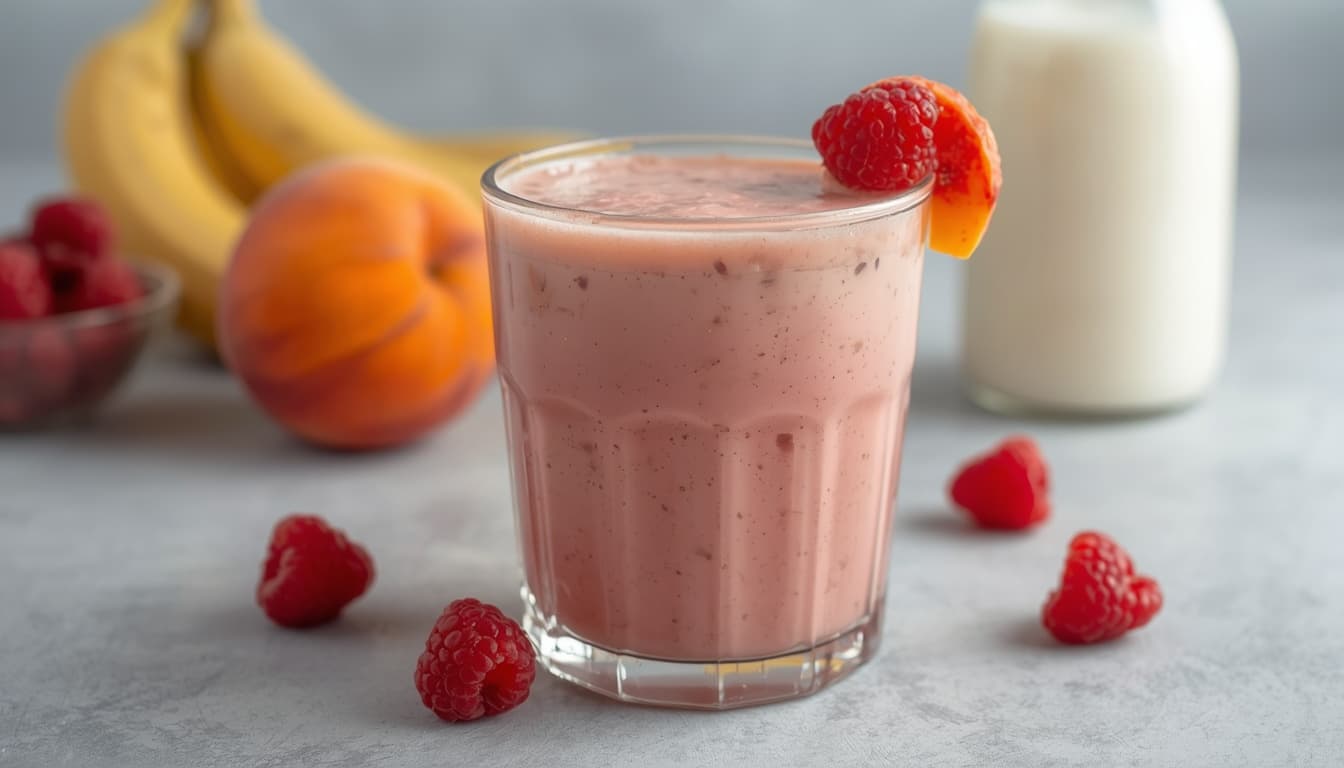
A creamy raspberry and peach smoothie with banana and milk for a soft, naturally sweet berry flavour.
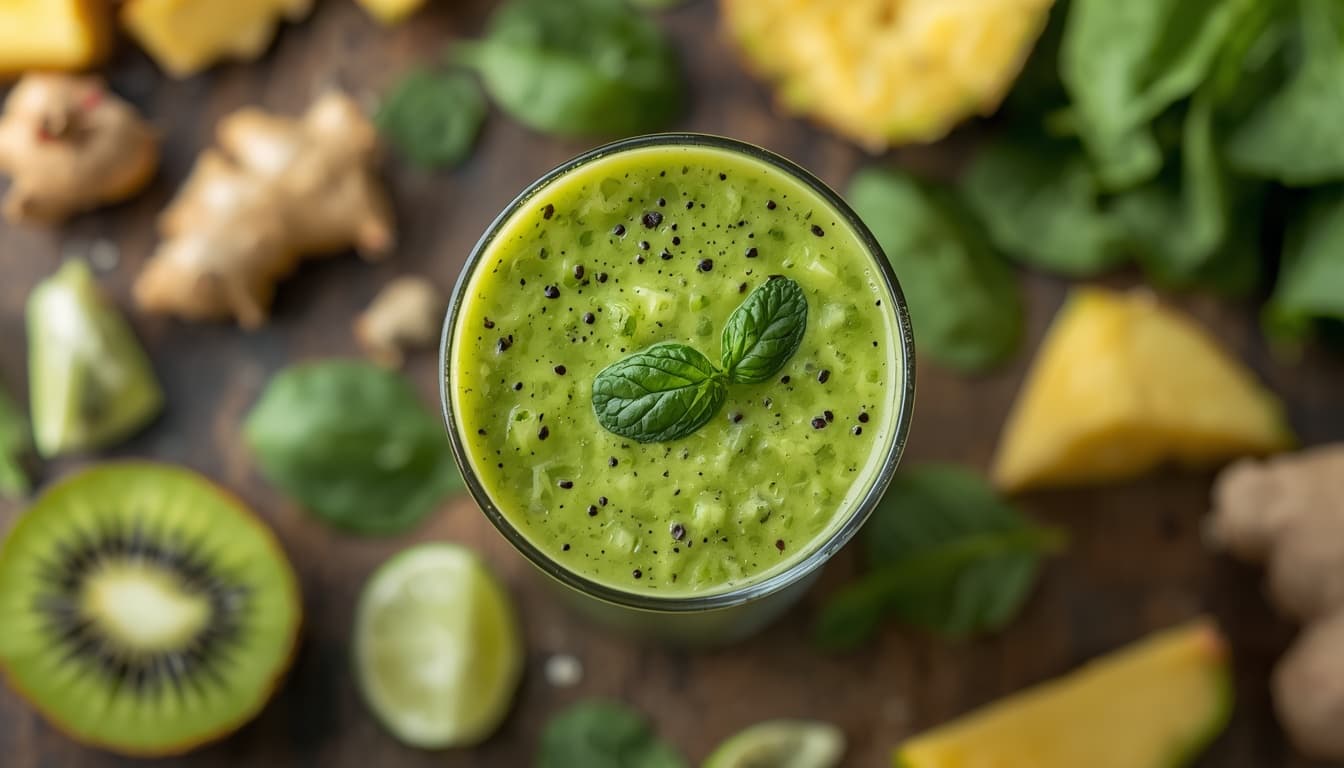
A fresh green smoothie with kiwi, pineapple, spinach, lime and ginger for a bright tropical flavour.
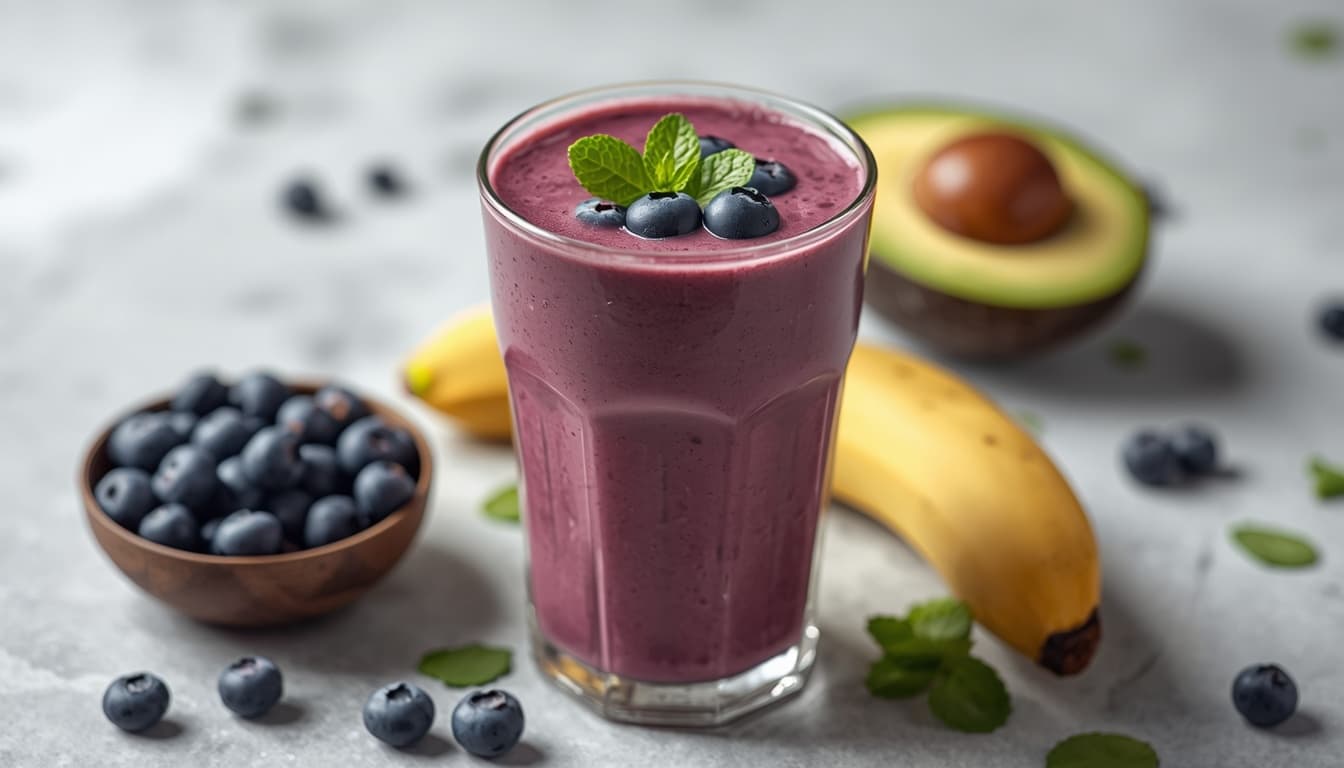
A silky blueberry smoothie with avocado, banana and lime for a creamy, naturally fruity blend.
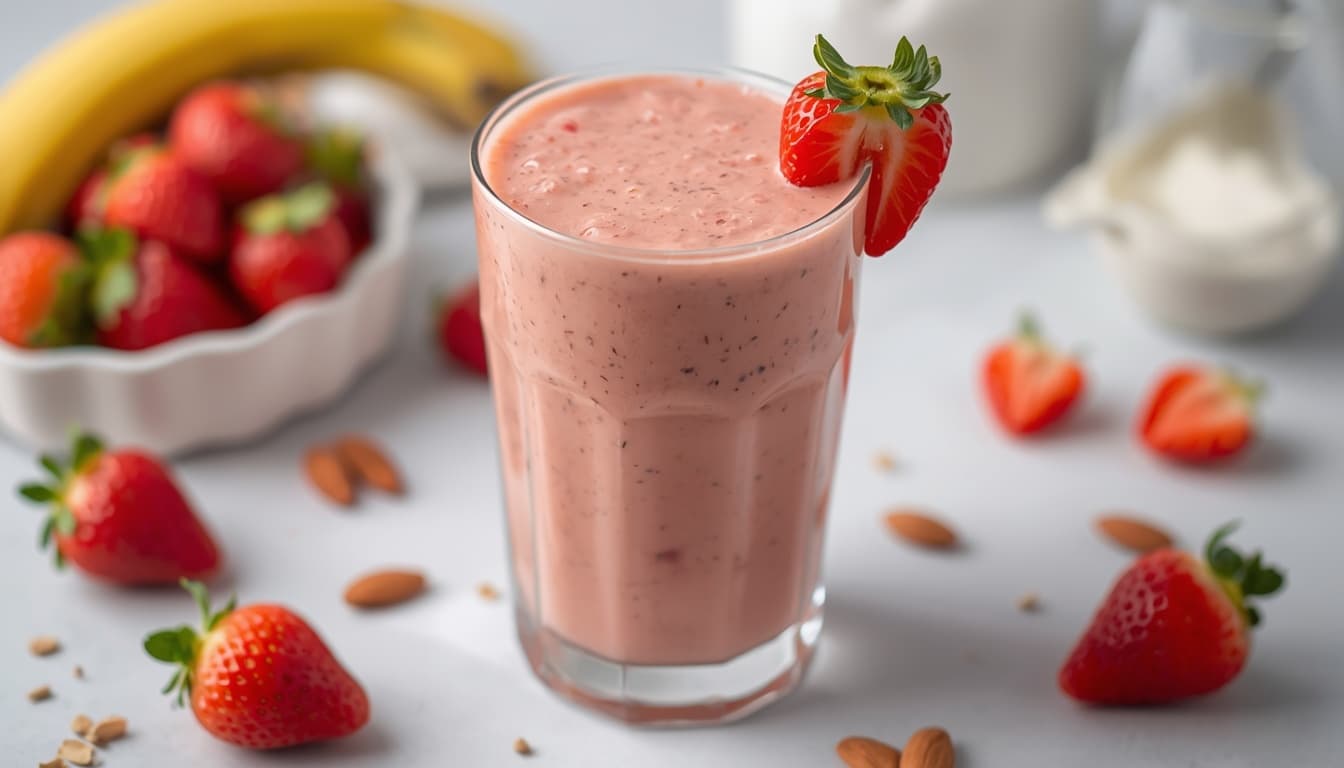
A creamy strawberry smoothie with banana and almond, combining sweet berries with a smooth, nutty finish.
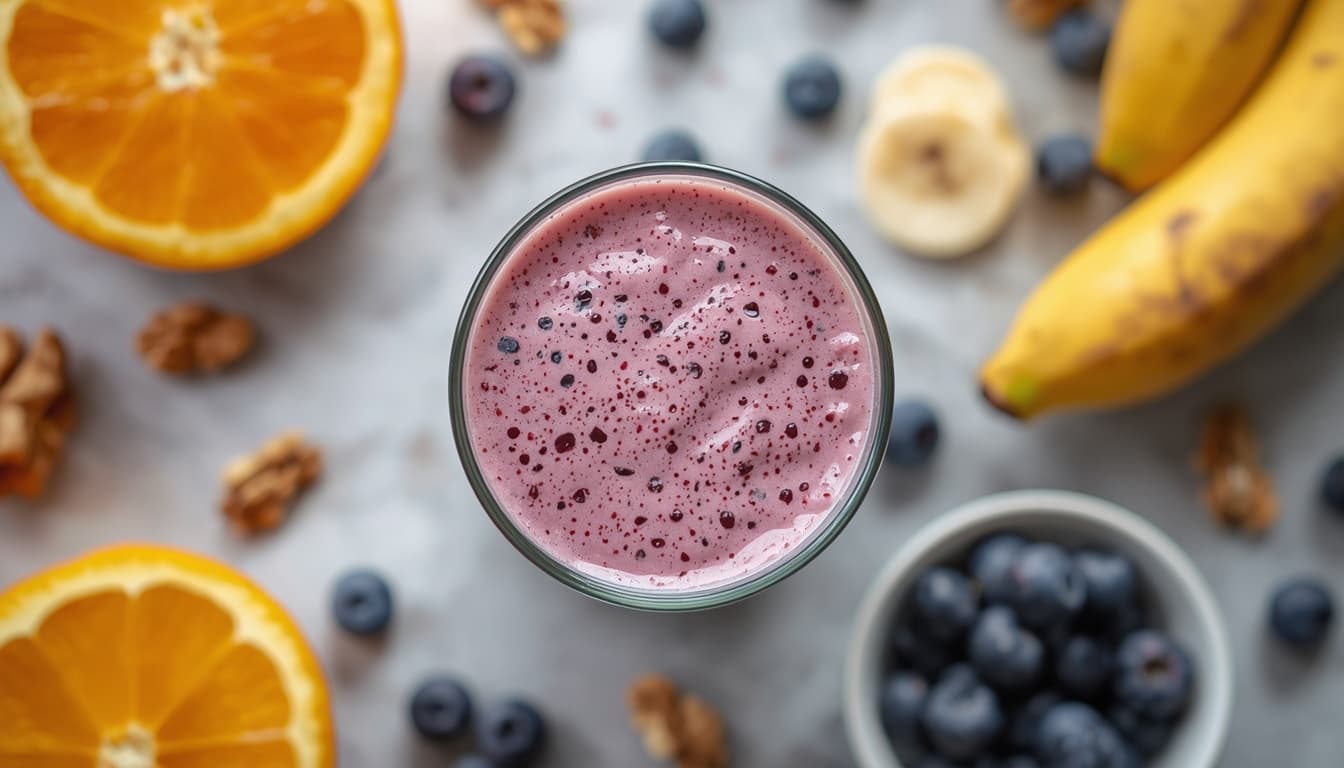
Bright orange and blueberry meet walnut in a juicy smoothie with a subtle creamy finish.
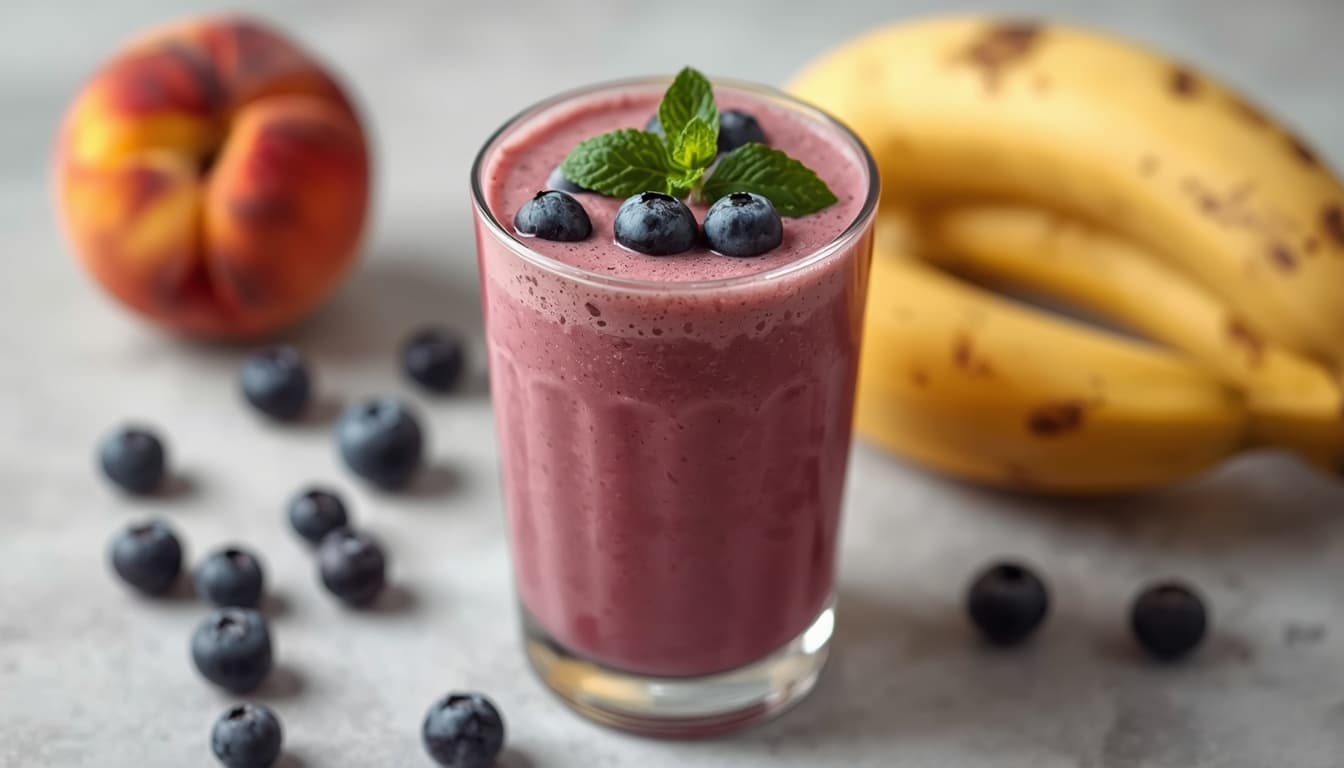
Juicy peach and blueberry come together in a cool purple-blue smoothie with a soft, creamy texture.
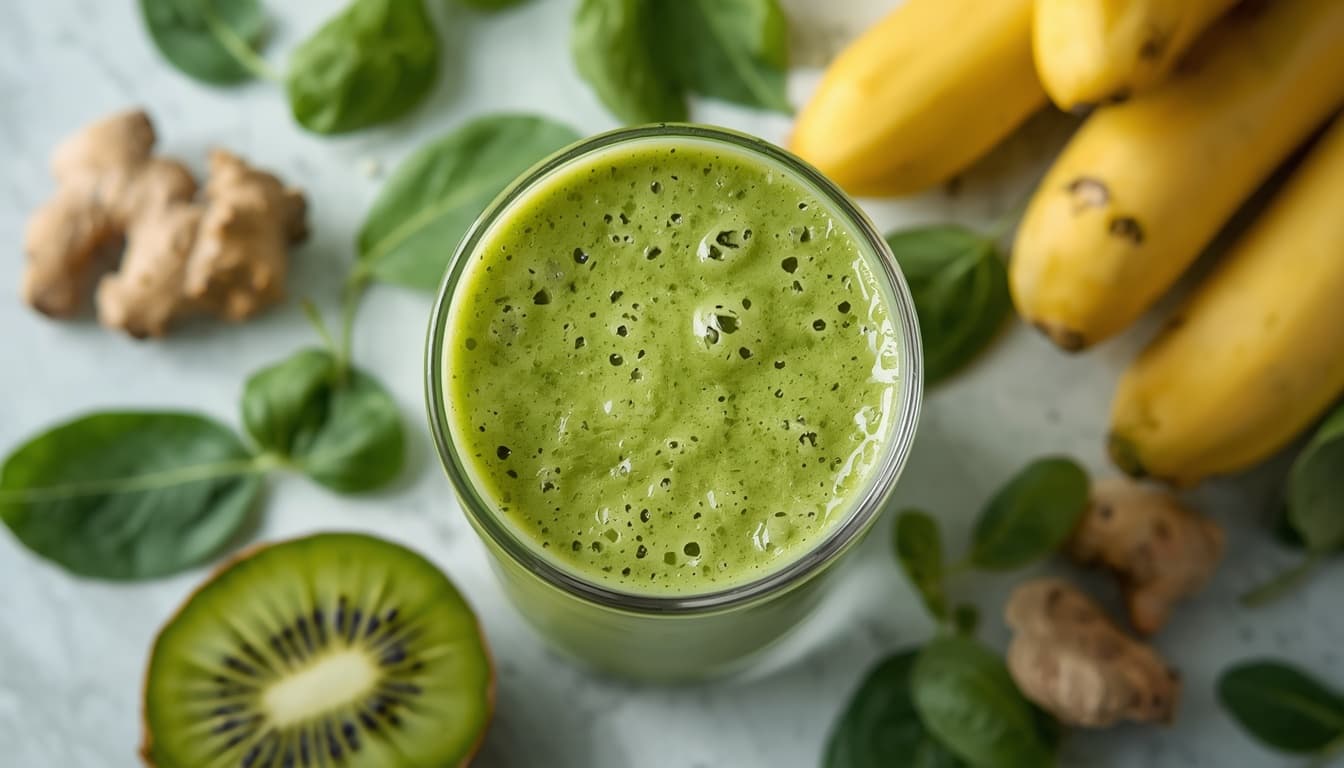
Tart kiwi and juicy pineapple create a bright green smoothie with spinach and ginger.
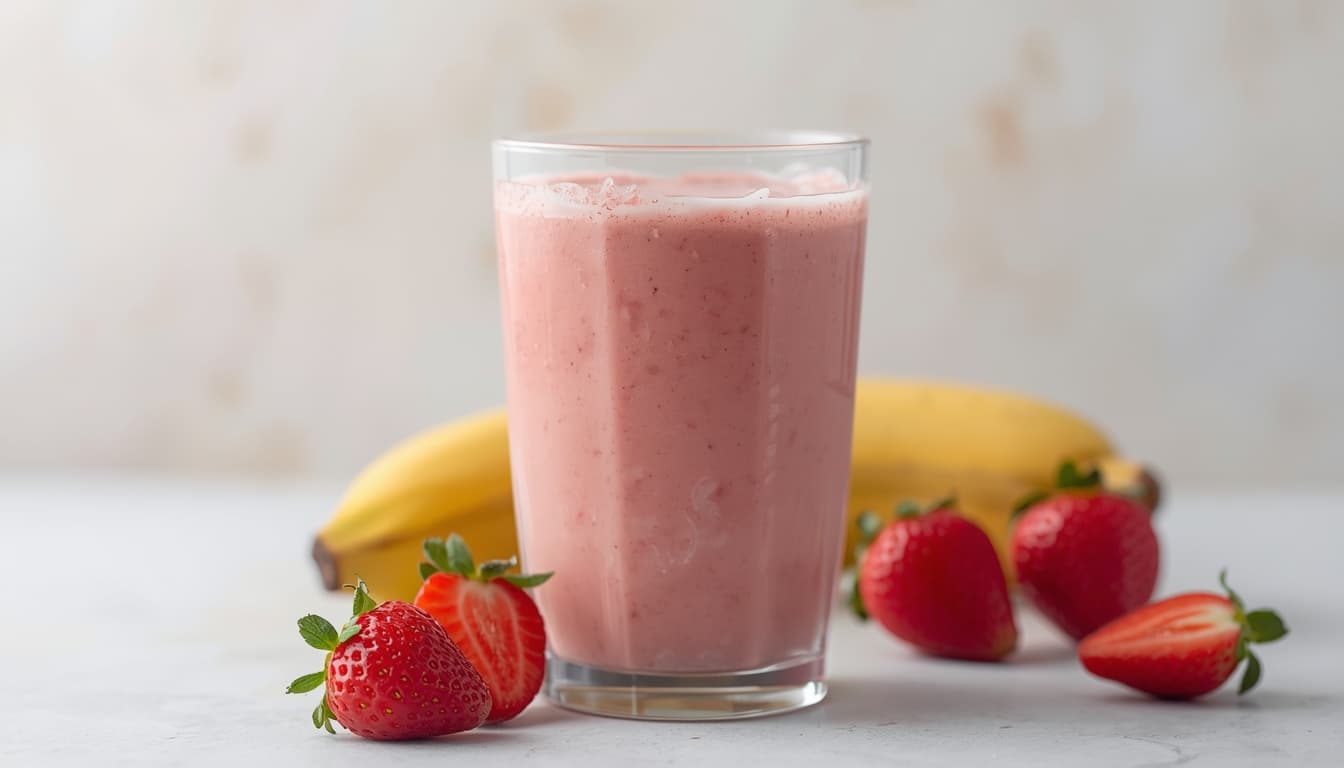
A soft, creamy strawberry smoothie with banana and almond for a naturally sweet, nutty finish.
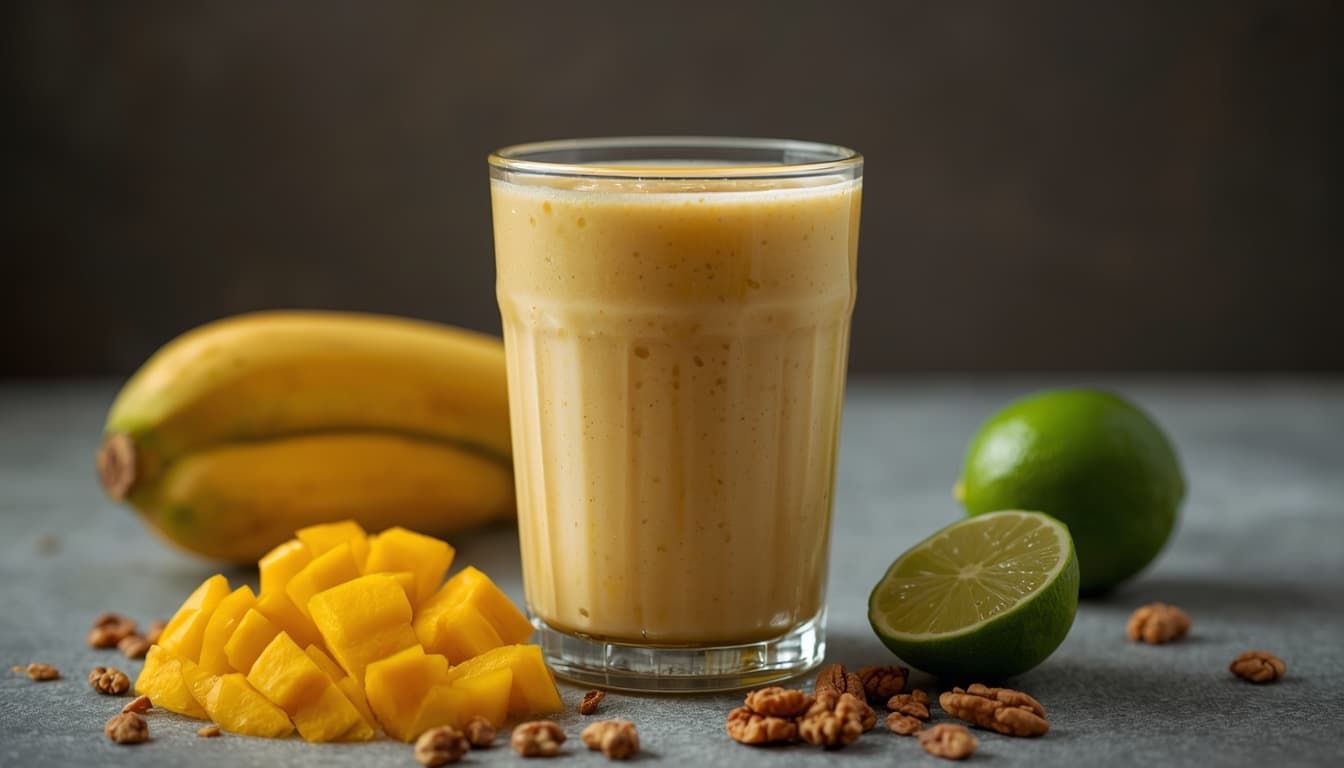
A creamy mango smoothie with banana and walnut, balanced with a bright squeeze of lime.
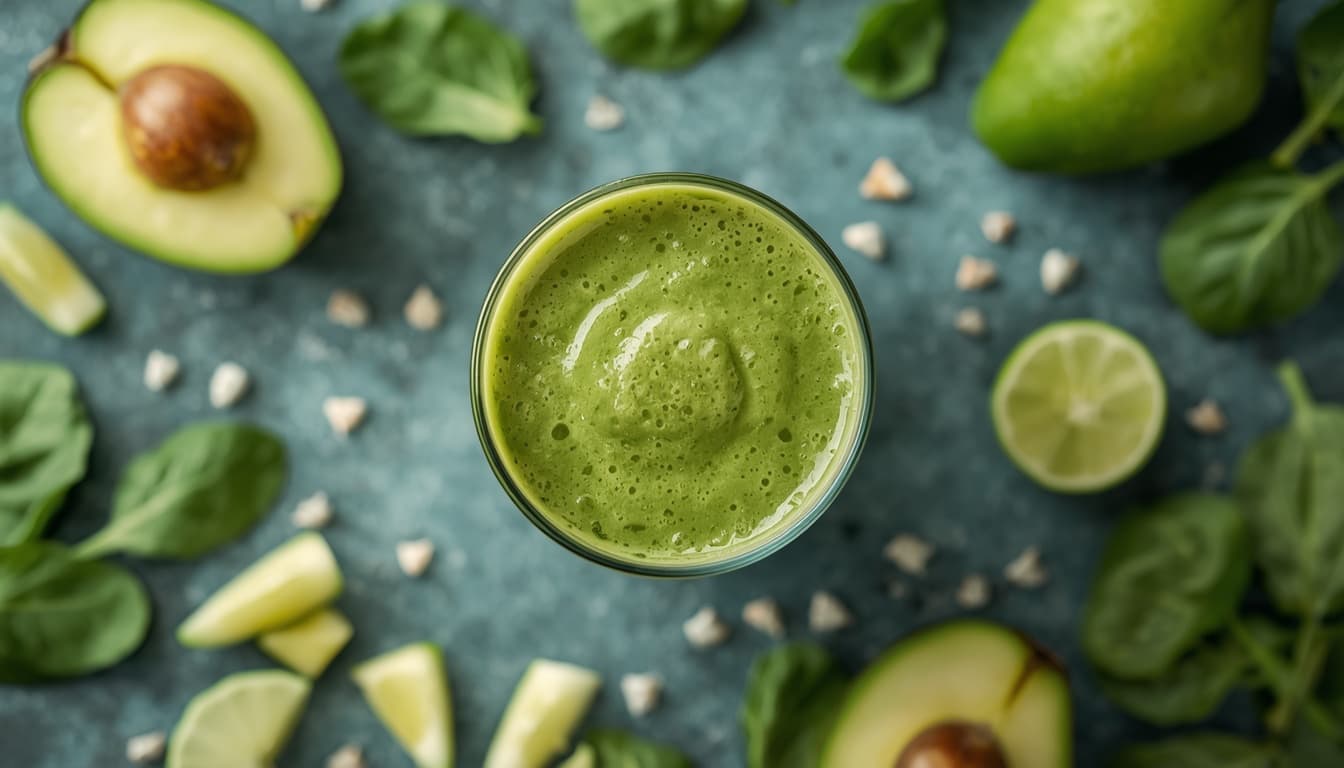
A smooth green smoothie with crisp apple, creamy avocado, spinach and fresh lime.
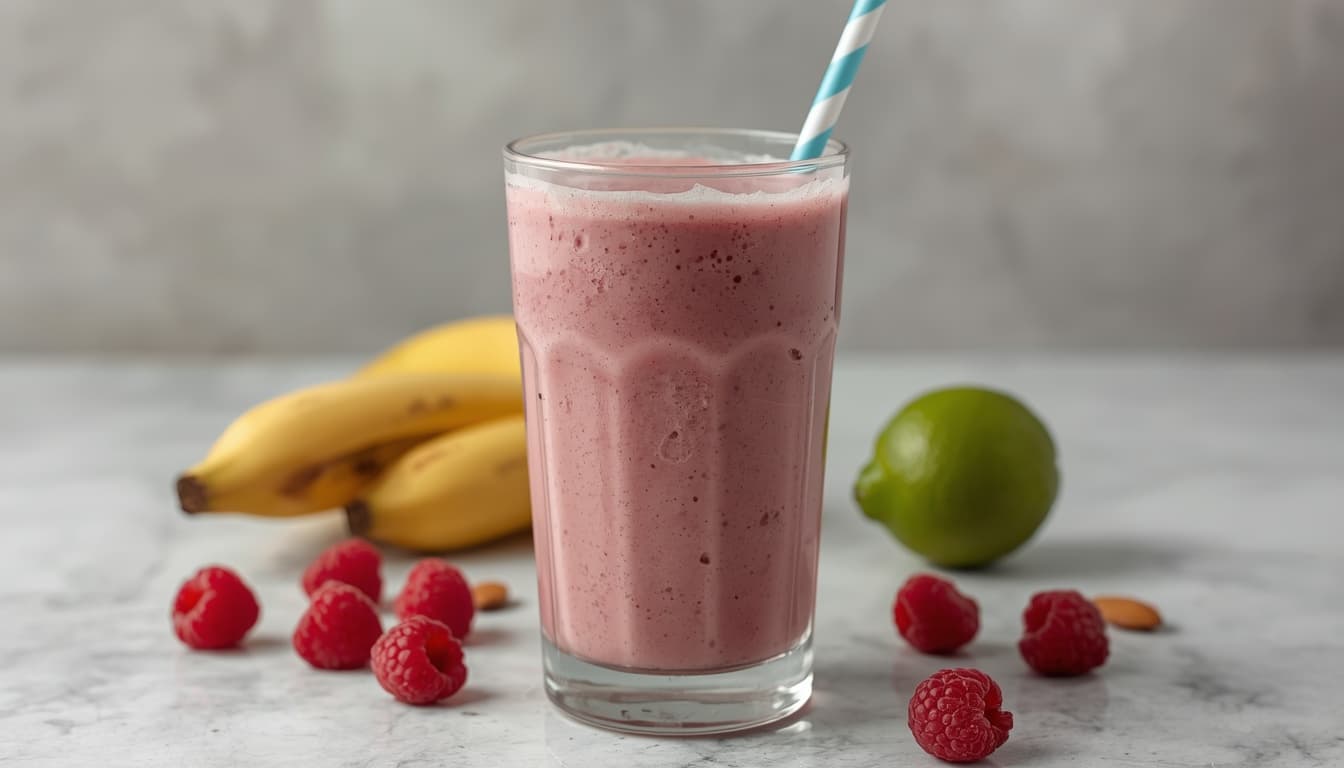
A creamy raspberry smoothie with banana and almond, finished with a bright touch of lime.
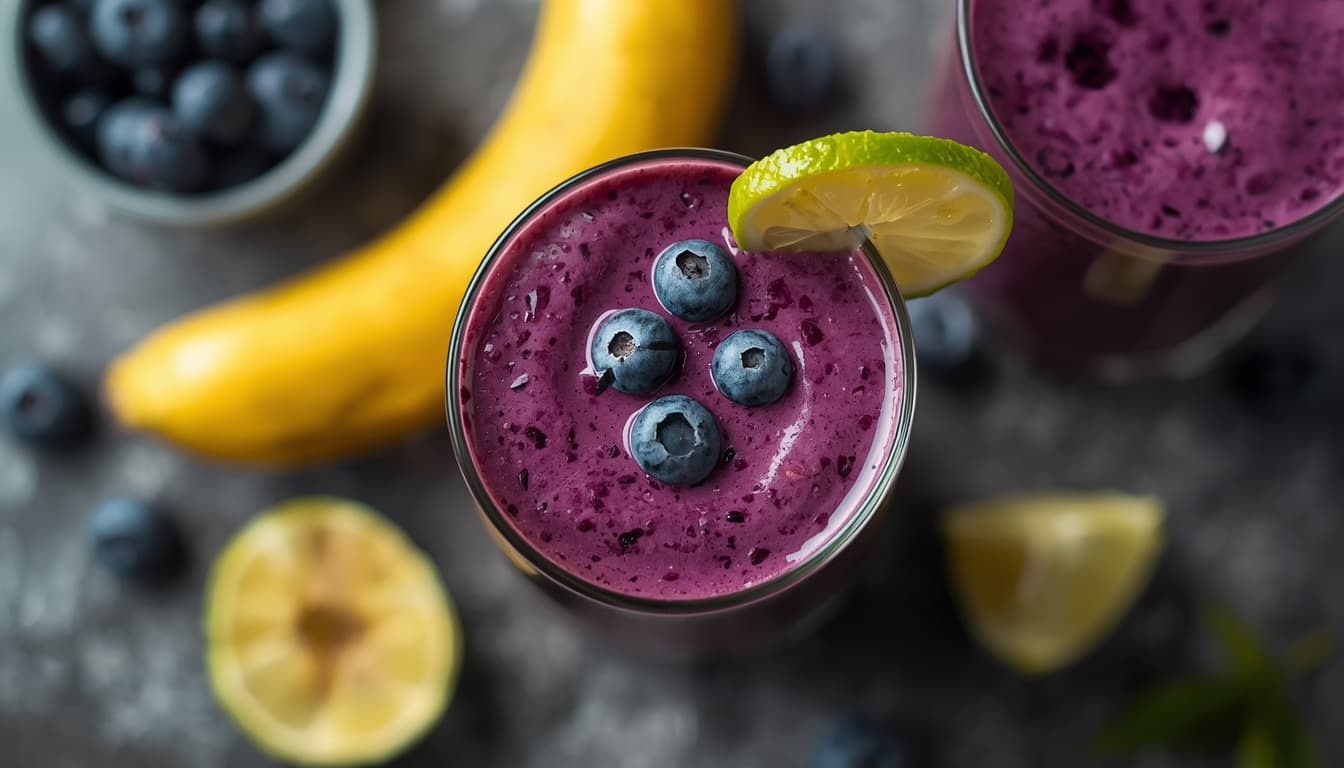
A velvety blueberry and avocado smoothie with banana, milk and lime for a creamy, fresh finish.
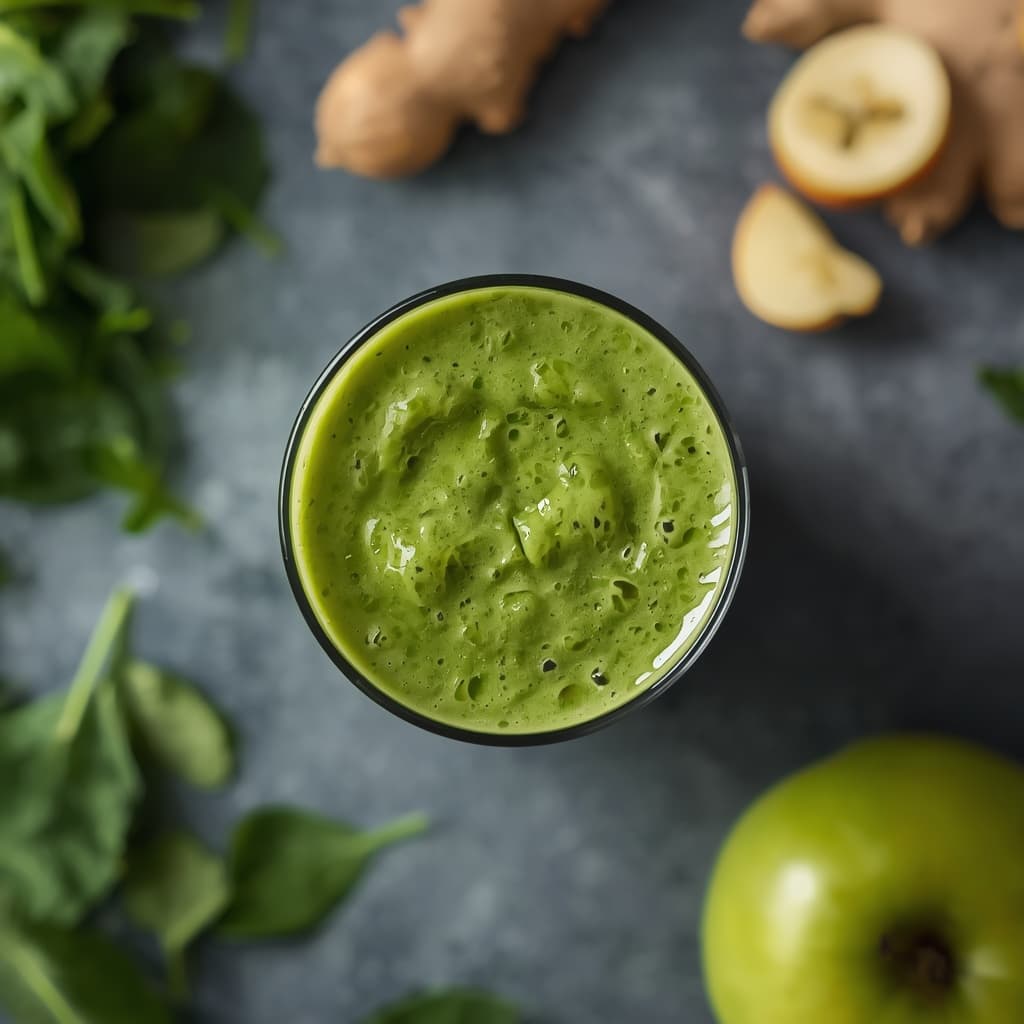
A crisp green smoothie combining apple, spinach, ginger and lime for a fresh, lively flavour.
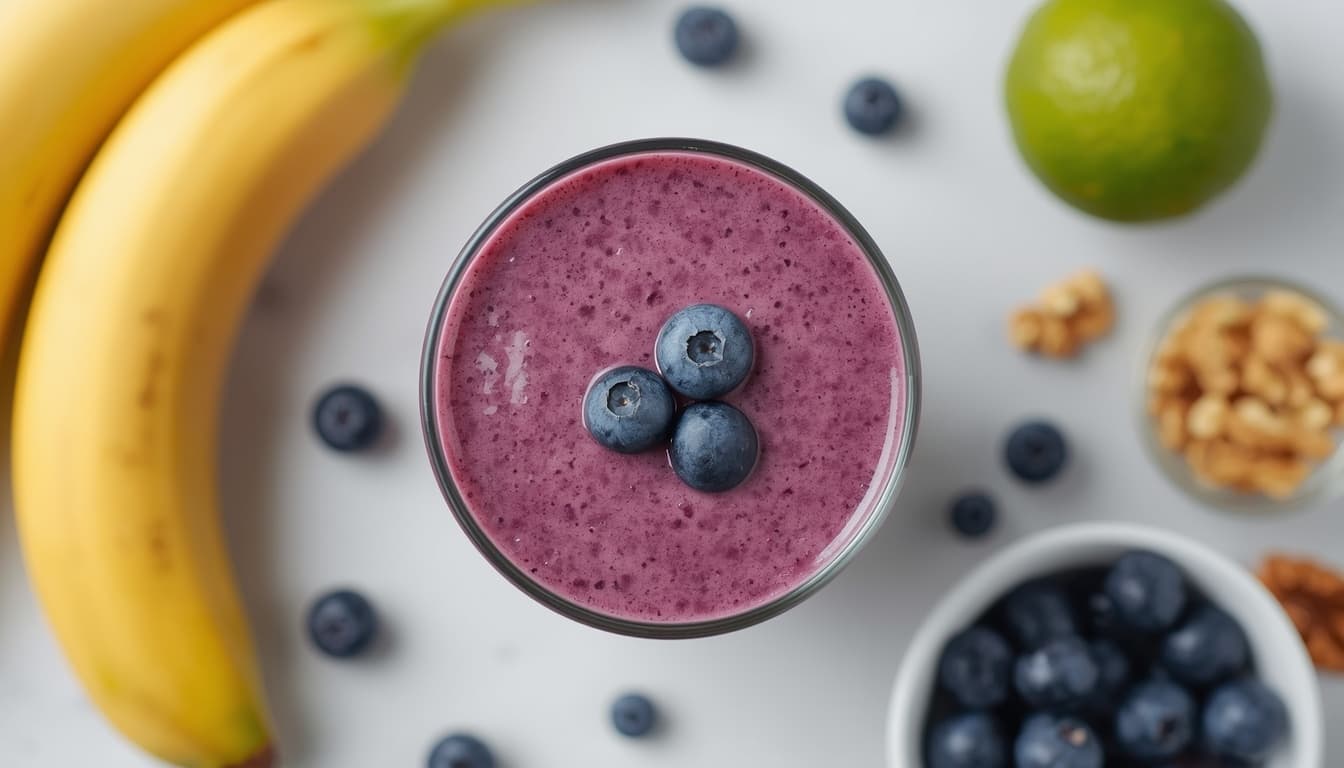
A creamy blueberry smoothie with banana, walnuts and a touch of lime for a rich, bright finish.
Curious what a smoothie can do for you? Browse recipes by health benefits
Brain health is about maintaining the normal function and wellbeing of your brain throughout life. Your brain controls many of the body's essential processes and is involved in memory, learning, concentration, movement, emotions and communication.
Looking after your brain is not about finding one special food or drink. Brain health is influenced by many factors, including age, genetics, physical activity, sleep, stress, cardiovascular health and nutrition.
That is the thinking behind Fluudie's collection of brain health smoothies. These recipes combine fruits, vegetables, nuts and seeds that can contribute useful nutrients to a varied and balanced diet.
You'll find ingredients such as blueberries, raspberries, strawberries, walnuts, chia seeds, avocado, spinach, kale, kiwi and citrus fruit throughout the collection. Each ingredient also has a practical role in the recipe, bringing sweetness, acidity, creaminess, texture or freshness.
The result is a collection of smoothies that are enjoyable to drink while making it easier to include a wider variety of nutritious foods in your everyday routine.
There is no single ingredient that makes a smoothie "good for the brain". Instead, these recipes focus on foods that provide a range of nutrients that contribute to normal body functions and can form part of a balanced eating pattern.
Some of the ingredients used in these smoothies provide omega-3 fatty acids, vitamin C, vitamin E, magnesium and other nutrients. Others simply make it easier to eat a greater variety of fruits and vegetables.
Walnuts and chia seeds are particularly useful ingredients for brain-focused smoothies because they provide the plant-based omega-3 fatty acid alpha-linolenic acid, also known as ALA.
Omega-3 fatty acids are important components of a healthy diet. Walnuts also add a mild, earthy nuttiness, while chia seeds can give a smoothie a slightly thicker texture.
Both work particularly well with berries and banana. A blueberry and walnut smoothie, for example, can be rich and creamy, while strawberry and chia creates a brighter, fruitier combination.
Blueberries, raspberries and strawberries bring intense colour and plenty of fruit flavour to these recipes.
Berries contain vitamin C and a range of naturally occurring plant compounds. Their sweet-tart flavour also makes them ideal for smoothies because they can provide plenty of character without requiring added sweeteners.
Blueberries create deep purple smoothies, raspberries bring a bright red colour and strawberries give blends a softer pink appearance. Rotating between different berries is an easy way to add variety to your smoothie routine.
Avocado is one of the most useful ingredients when you want a smoothie with a thick, velvety consistency.
It provides unsaturated fats and vitamin E as part of its nutritional profile. Vitamin E contributes to the protection of cells from oxidative stress.
Avocado has a mild flavour, making it easy to pair with blueberries, strawberries, banana, lime or other fruits. It can turn a light fruit smoothie into something considerably creamier without dominating the finished drink.
Spinach and kale bring a different character to brain health smoothies. They contribute a range of vitamins, minerals and naturally occurring plant compounds.
Their fresh green flavour works particularly well when balanced with fruit. Apple and lime can create a crisp combination, while banana, mango or pineapple can make the flavour softer and more approachable.
Adding leafy greens is also a simple way to increase the variety of vegetables in your diet without turning every smoothie into a heavily vegetable-flavoured drink.
Kiwi, oranges, grapefruit, lime and strawberries can all contribute vitamin C while adding acidity and brightness to a smoothie.
Vitamin C contributes to normal collagen formation, normal energy-yielding metabolism and the protection of cells from oxidative stress.
From a recipe perspective, citrus and kiwi are especially valuable because their acidity balances rich ingredients such as avocado, walnuts and chia seeds.
Magnesium contributes to normal functioning of the nervous system and normal psychological function, as well as normal energy-yielding metabolism.
Ingredients such as almonds, chia seeds, walnuts and leafy green vegetables can contribute magnesium to the diet.
These ingredients also happen to work well in smoothies. Almonds and walnuts add richness, chia seeds add body and spinach or kale bring a fresh green character.
Omega-3 fatty acids are an important part of a balanced diet. Walnuts and chia seeds provide the plant-based omega-3 fatty acid ALA.
These ingredients can therefore be useful additions to a varied smoothie collection, particularly when paired with fruit for a balanced flavour.
Vitamin C contributes to the protection of cells from oxidative stress and has several other important functions in the body.
Kiwi, oranges, strawberries, grapefruit and other fruits can contribute vitamin C while giving smoothies a bright, fresh flavour.
Vitamin E contributes to the protection of cells from oxidative stress.
Avocado and almonds are useful smoothie ingredients when you want to include foods containing vitamin E. They also provide richness and creaminess, making them particularly suitable for thicker smoothies.
Magnesium contributes to normal functioning of the nervous system and normal psychological function.
Leafy greens, almonds, walnuts and chia seeds can all contribute magnesium to the diet. Combining them with fruit creates a much more enjoyable smoothie than trying to focus on any one nutrient in isolation.
There is no specific time of day when a smoothie suddenly becomes more beneficial for your brain.
Instead, think of these recipes as convenient ways to include nutritious foods in your normal eating pattern.
A smoothie can be a practical breakfast when you want something quick. Recipes containing banana, milk, avocado, walnuts or chia seeds can provide a thicker and more satisfying start to the day.
A fruit and vegetable smoothie can also work as a convenient snack when you want something fresh without a complicated preparation process.
Berry, kiwi and citrus combinations are particularly good when you want something bright and refreshing.
A smoothie can also fit naturally into an active lifestyle. Fruit provides carbohydrates, while milk, nuts and seeds can contribute protein and other nutrients.
The smoothie itself is not a special brain-performance drink. It is simply a convenient food option that can complement an active, balanced lifestyle.
There is no need to time your smoothie around a particular cognitive task. Choose a time when it is convenient for you to include nutritious foods in your day.
It is important to keep expectations realistic.
Drinking a particular smoothie cannot guarantee better memory, greater intelligence, improved concentration or protection against neurological disease.
However, your brain requires energy and nutrients to function normally, and nutrition is one part of maintaining overall health.
A varied diet that includes fruit, vegetables, nuts, seeds and other nutritious foods can help provide the nutrients your body needs. These smoothies are designed to make that variety easier and more enjoyable.
There is no need to put every "brain food" into a single glass. In fact, simpler combinations often taste much better.
Blueberry + walnut + banana for a rich, creamy berry smoothie with a gentle nutty finish.
Strawberry + chia seeds + orange for a bright, fruity blend with a little citrus acidity.
Avocado + blueberry + lime for a thick, velvety smoothie with a fresh finish.
Kiwi + spinach + apple for a crisp, green smoothie with plenty of freshness.
Raspberry + almond + banana for a creamy berry smoothie with a soft nutty character.
Mango + spinach + chia seeds for a smooth tropical blend with a subtle green note.
Each combination offers a different experience while contributing to the broader goal of eating a varied diet.
Your brain and body need many different nutrients, which is one reason variety is more useful than searching for a single "superfood".
Rotating smoothie ingredients allows you to enjoy different fruits, vegetables, nuts and seeds throughout the week.
You might choose a deep purple blueberry and walnut smoothie one day, a fresh kiwi and spinach blend the next, and a creamy avocado and strawberry smoothie after that.
Besides providing variety in your diet, this approach also keeps your smoothie routine interesting. Healthy eating is much easier to maintain when the food actually tastes good.
Nutrition is only one part of brain health.
Regular physical activity, adequate sleep, managing stress, maintaining cardiovascular health and avoiding smoking are also important parts of a healthy lifestyle.
That is why Fluudie's brain health smoothies should be viewed as one small part of an overall healthy routine rather than as a treatment or cognitive enhancement.
These recipes are not intended to treat memory problems, neurological conditions or other medical concerns. If you experience persistent changes in memory, concentration or other aspects of brain function, speak with a qualified healthcare professional.
A smoothie made with brain health in mind doesn't need to taste like a supplement.
It can be deep purple and intensely fruity, creamy and nutty, fresh and green, or bright and tropical.
Try blueberries and walnuts when you want something rich and creamy. Choose strawberry, orange and chia for a bright fruit-forward blend. Blend kiwi with spinach and apple for something crisp and refreshing, or combine avocado with blueberries and lime for an especially smooth texture.
The goal isn't to find a magical smoothie for your brain. It's to make a varied, nutrient-rich diet easier to enjoy as part of your everyday life.