11 min
314 kcal
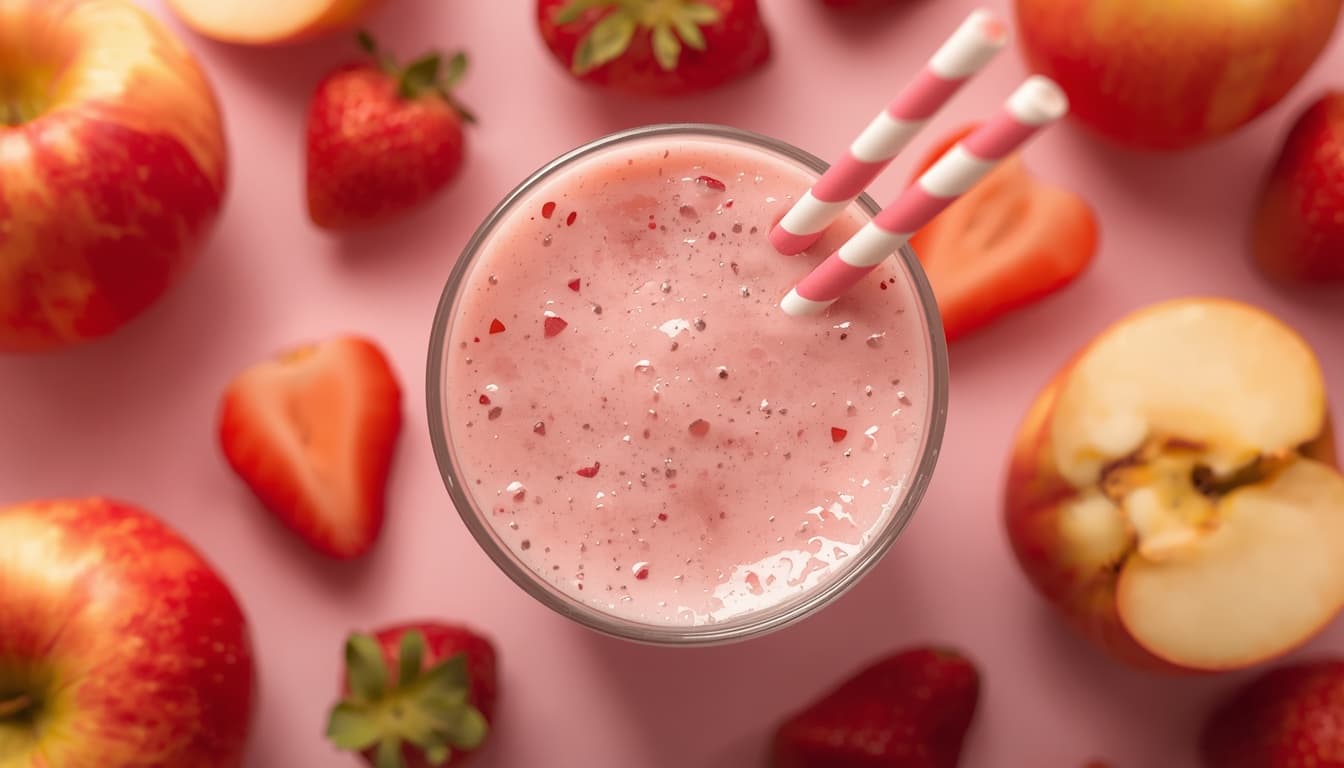
The Orchard Glow & Crisp Smoothie
A light, deeply refreshing blend of sweet strawberry, crisp apple, and smooth almond.
Heart
Hair
Bones
Digestion
Immune System
Blood Pressure
Brain
Skin
Discover our collection of smoothies for skin health, featuring berries, citrus fruit, kiwi, avocado, spinach, mango and other colourful ingredients. These recipes combine fruits,…
A light, deeply refreshing blend of sweet strawberry, crisp apple, and smooth almond.
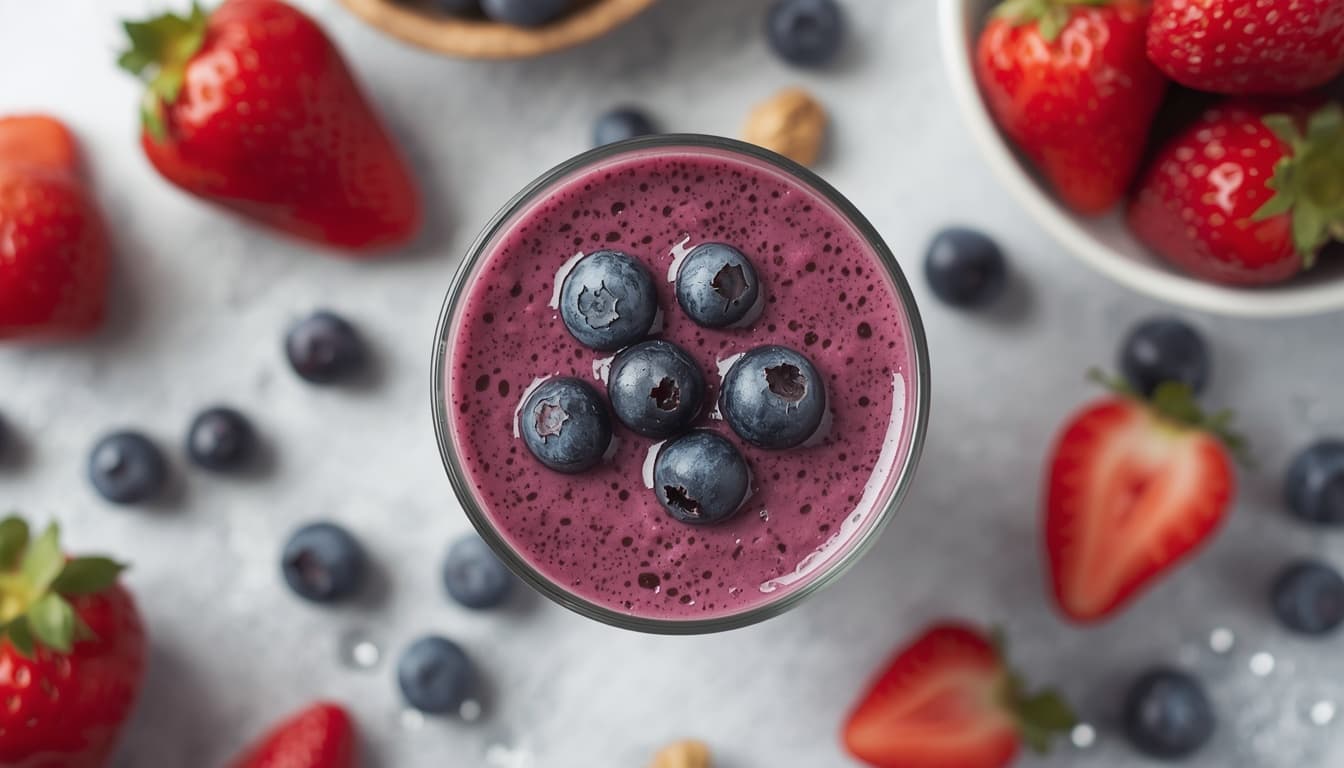
A rich, jammy berry delight bursting with cell-protecting antioxidants and a satisfying nutty crunch.
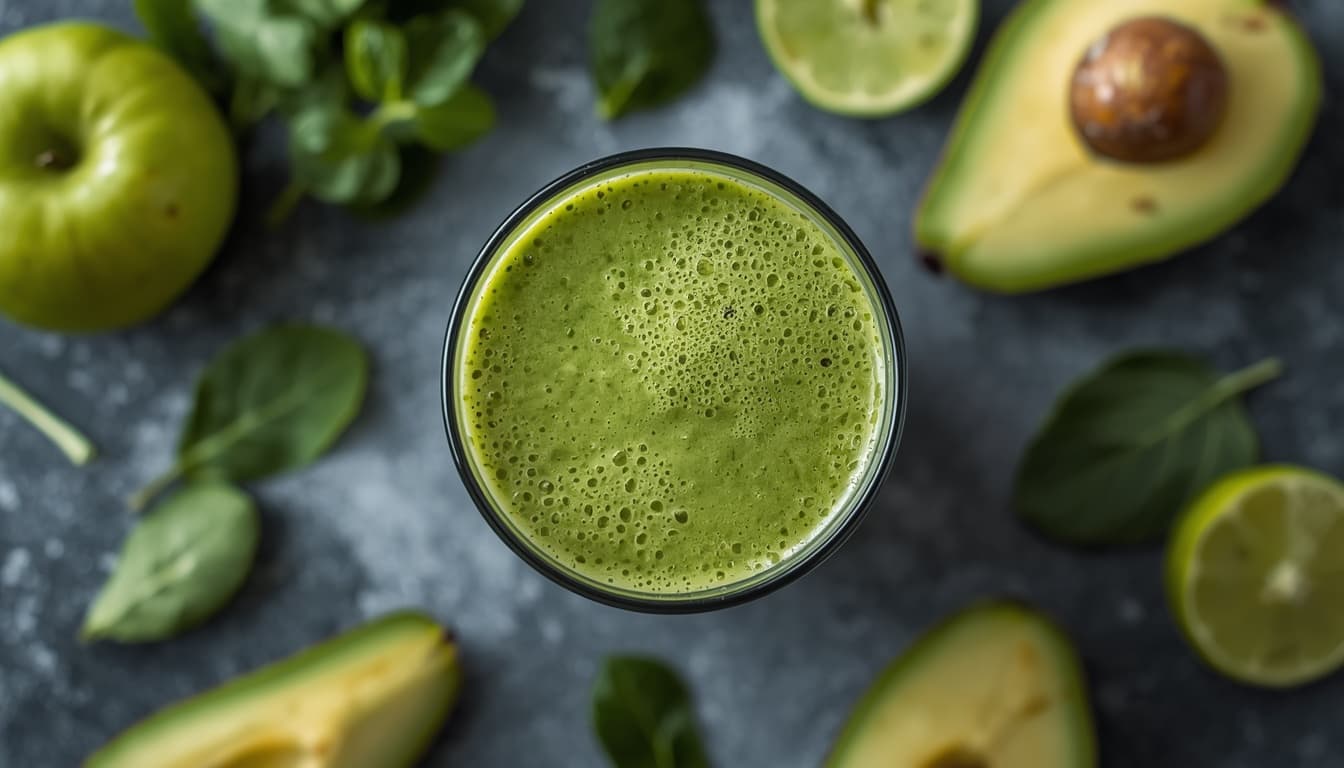
A crisp, incredibly refreshing green splash designed to hydrate your body and brighten your skin.
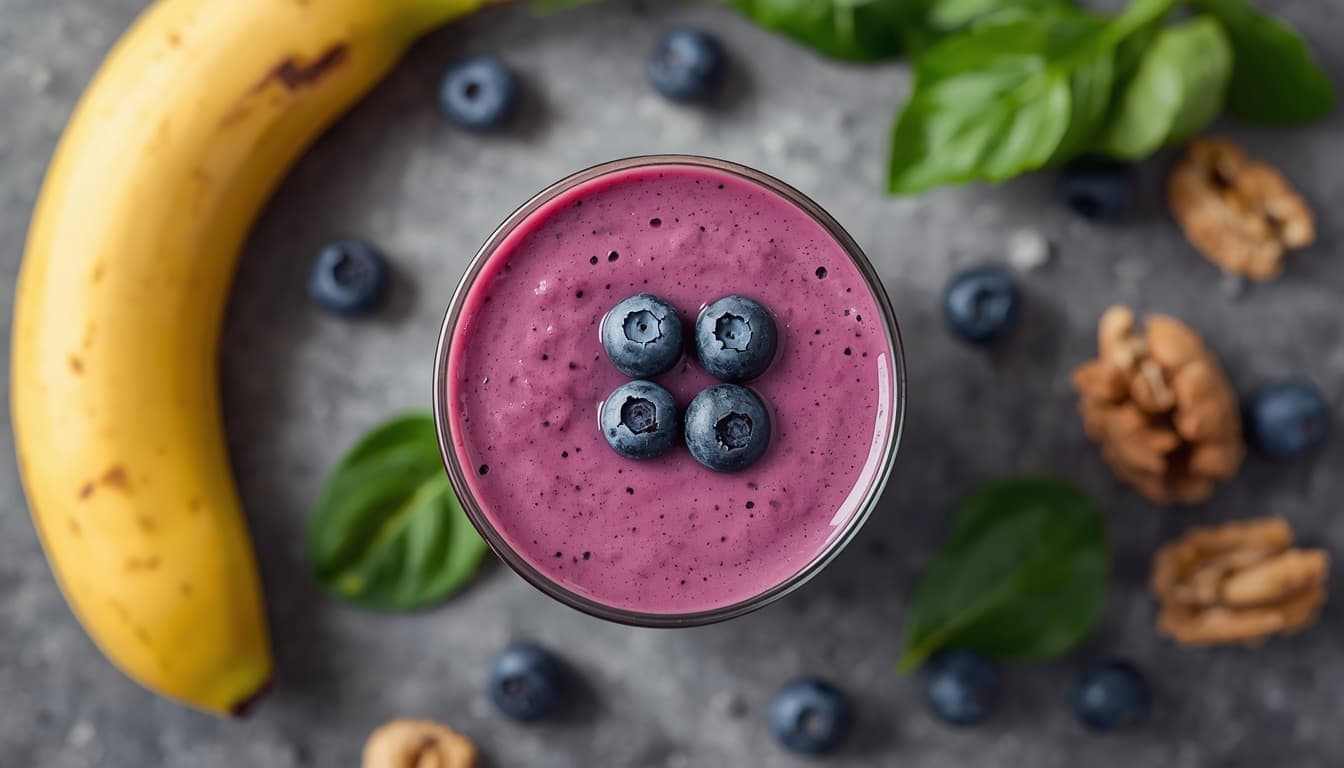
A rich, velvety indigo blend of wild berries and healthy walnut fats to shield your heart and sharpen your mind.
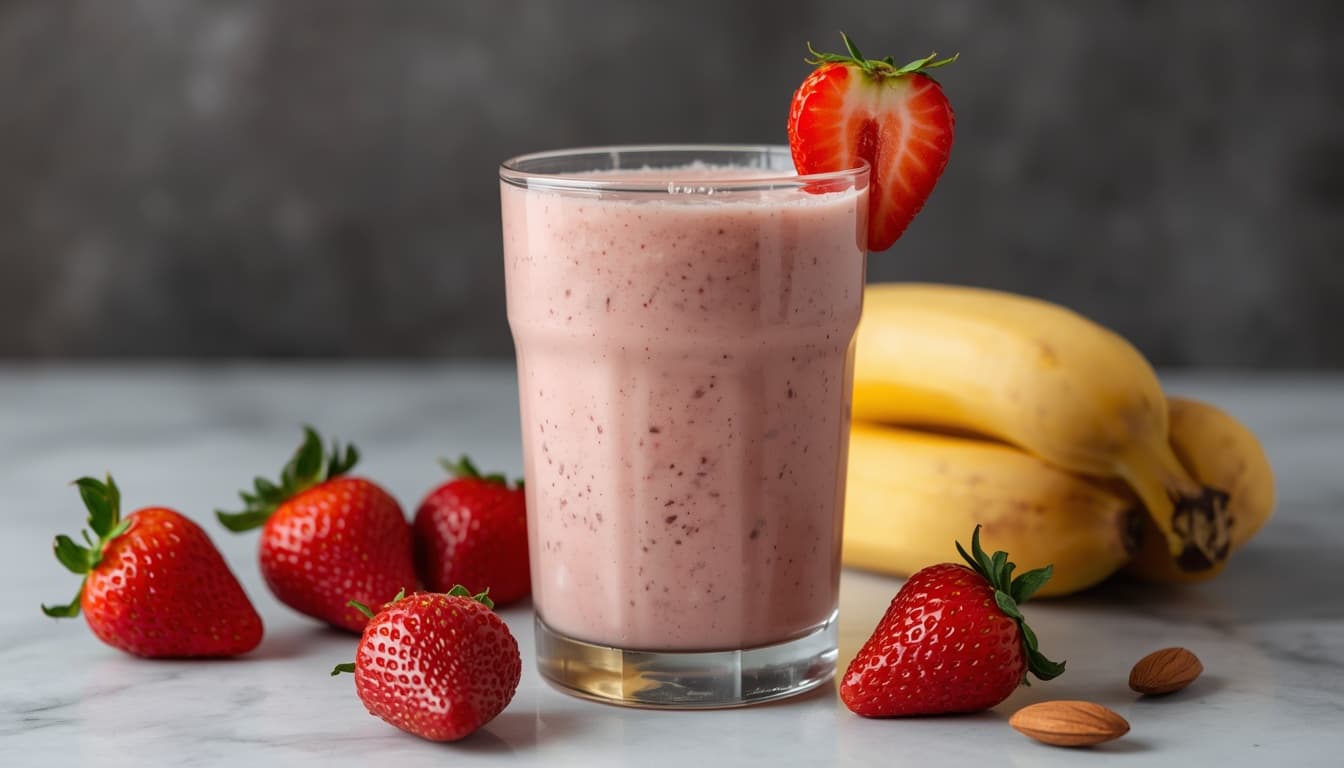
A luxurious, dessert-like smoothie packed with skin-loving vitamins and plant-powered energy.
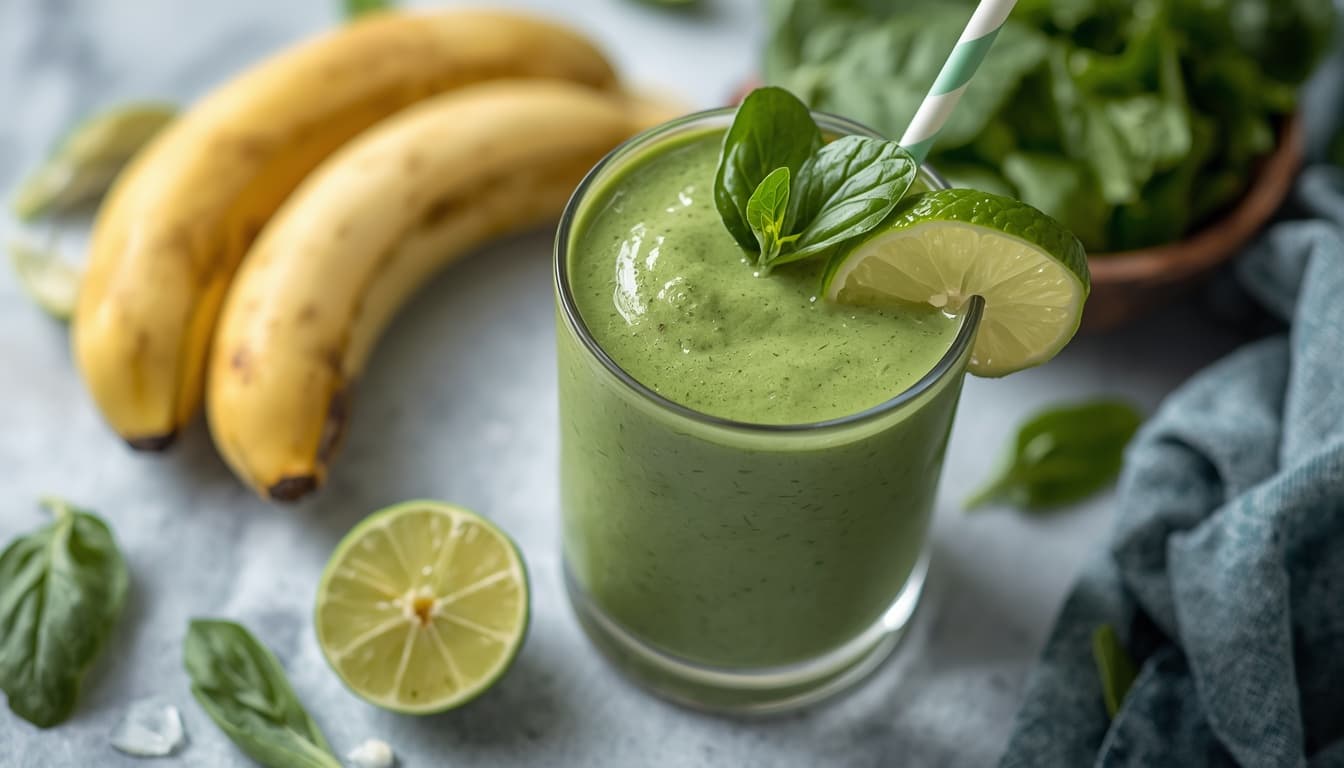
A creamy, unexpectedly decadent green smoothie that tastes like a treat while charging your batteries.
Curious what a smoothie can do for you? Browse recipes by health benefits
Healthy skin is more than simply having clear or glowing skin. Your skin is the body’s largest organ and forms an important barrier between you and the outside environment. Maintaining normal skin structure and function depends on many factors, including genetics, age, hydration, sun exposure, sleep, lifestyle and nutrition.
Food is only one piece of that picture, but it is an important one.
That is the idea behind Fluudie’s collection of skin health smoothies. These recipes focus on colourful fruits, vegetables, nuts and seeds that can contribute a range of nutrients to a balanced diet.
You’ll find ingredients such as strawberries, raspberries, blueberries, kiwi, oranges, mango, spinach, avocado, almonds, walnuts and chia seeds throughout the collection. They are not included simply because they are considered “healthy”; each ingredient also has a useful role in the smoothie itself, contributing flavour, sweetness, acidity, creaminess, colour or texture.
The result is a collection of smoothies that are enjoyable to drink while making it easier to include a wider variety of nutrient-rich foods in your everyday routine.
There isn’t one food that guarantees healthy skin. Instead, skin health benefits from an overall balanced diet that provides a range of vitamins, minerals, healthy fats and other nutrients.
The smoothies in this collection focus particularly on ingredients that provide vitamin C, vitamin E, carotenoids and other naturally occurring plant compounds.
Strawberries, raspberries and blueberries are some of the easiest ingredients to use when creating a skin-focused smoothie.
Their vibrant colours come from naturally occurring plant compounds, and they also contribute vitamin C and other nutrients. Their natural sweetness and acidity make them particularly useful for smoothies because they can create plenty of flavour without added sweeteners.
Try strawberries with banana and almond for a creamy combination, or blend blueberries with avocado for a thicker, smoother texture.
Orange, grapefruit, lime and kiwi can bring a bright, refreshing quality to smoothies while contributing vitamin C.
Vitamin C has several important functions in the body and contributes to normal collagen formation, which is important for the normal function of skin.
From a recipe perspective, citrus and kiwi are also useful because their acidity balances richer ingredients. A squeeze of lime can make an avocado smoothie taste noticeably fresher, while orange pairs naturally with berries, mango and carrot.
Avocado is one of Fluudie’s most useful ingredients when you want a smoothie with a rich, velvety texture.
It contains vitamin E as well as unsaturated fats and can make a smoothie feel substantially creamier without needing a large amount of dairy.
Because avocado has a mild flavour, it works especially well with fruit. Strawberry, blueberry, mango and lime can all create very different smoothies when combined with avocado.
Spinach and kale can contribute a range of vitamins, minerals and plant compounds while adding a fresh green character.
They are particularly easy to use in smoothies because fruit can balance their flavour. Banana provides sweetness and body, while kiwi, apple, lime or pineapple can make the finished drink feel brighter.
You do not need to make every skin health smoothie green. The purpose of these ingredients is simply to add more variety to the overall collection.
Nuts and seeds can make a smoothie richer and more satisfying.
Almonds, walnuts and chia seeds provide unsaturated fats and other nutrients as part of a varied diet. They also contribute a subtle nutty flavour and can change the texture of the finished smoothie.
They work particularly well with berries and banana. A berry smoothie with almond can feel creamy and dessert-like, while chia seeds can give a fruit smoothie a slightly thicker consistency.
Vitamin C is particularly relevant to skin because it contributes to normal collagen formation.
Collagen is a structural protein found throughout the body, including the skin.
Citrus fruits, kiwi and strawberries are useful smoothie ingredients when you want to include vitamin C-rich foods in your diet. They also add the acidity and freshness that help balance creamy smoothie ingredients.
Vitamin E contributes to the protection of cells from oxidative stress.
Foods such as avocado and almonds can contribute vitamin E to the diet, making them useful ingredients for skin-focused smoothies.
They also happen to be excellent for texture. Avocado gives a buttery creaminess, while almonds add richness and nuttiness.
Orange, yellow, red and green fruits and vegetables contain various naturally occurring carotenoids and other plant compounds.
Mango, carrot, spinach and kale can all contribute to the colourful variety of a smoothie collection.
Using different colours throughout the week is a simple way to avoid relying on the same ingredients every day.
The skin needs lipids to support its normal barrier function. Dietary fats are also important because they help provide energy and assist with the absorption of certain fat-soluble vitamins.
Avocado, almonds, walnuts and chia seeds can contribute unsaturated fats as part of a balanced diet.
That doesn’t mean adding large quantities of these ingredients is automatically better. Nuts, seeds and avocado are relatively energy-dense, so sensible portions work best.
There isn’t a specific time of day when a skin health smoothie suddenly becomes more beneficial.
The more useful approach is to make nutritious foods part of your regular eating pattern.
A smoothie can be a convenient way to combine fruit with ingredients such as avocado, almonds, chia seeds or milk for a more substantial breakfast.
Berry and banana combinations are especially good when you want something creamy and naturally sweet.
Fruit-forward smoothies can make a pleasant afternoon snack.
Kiwi, orange, grapefruit, pineapple and berries work particularly well when you want something fresh and bright rather than heavy.
A smoothie can also fit naturally into an active lifestyle. Fruit and milk can provide carbohydrates and protein, while ingredients such as berries or citrus add plenty of flavour.
It is still simply food, rather than a special skin-repair drink.
There is no need to schedule a smoothie around a particular time for skin health.
A nutritious smoothie is most useful when it becomes an enjoyable part of your normal diet.
The best combination depends on the flavour and texture you want.
Try:
Strawberry + almond + banana for a creamy, naturally sweet blend.
Blueberry + avocado + lime for a rich purple smoothie with a fresh citrus finish.
Kiwi + spinach + apple for a crisp, bright green smoothie.
Mango + orange + banana for a smooth, sunny fruit blend.
Raspberry + avocado + orange for a creamy berry smoothie with citrus brightness.
Peach + chia seeds + milk for a mellow, satisfying smoothie.
These combinations show why there is no need to rely on one supposed “skin superfood”. Different ingredients can contribute different nutrients while also making the smoothie more enjoyable.
It is better to think of smoothies as part of a nutritious diet, rather than as a direct skin treatment.
Eating foods containing vitamin C, vitamin E and other nutrients contributes to normal body functions associated with healthy skin. However, drinking a smoothie cannot guarantee clearer skin, remove wrinkles or reverse skin damage.
Skin appearance is influenced by many factors, including genetics, age, hormones, sun exposure, sleep, stress and skincare habits.
A nutritious smoothie can therefore support the dietary side of the equation, but it is not a replacement for sunscreen, skincare or professional medical advice.
Smoothies can contribute to your overall fluid intake, particularly when they are made with water or other liquid ingredients.
However, a smoothie shouldn’t be presented as a special hydration treatment for the skin. Regular water intake and a balanced diet are the more useful foundations.
Fresh fruits such as orange, grapefruit, watermelon-free combinations from the library, kiwi and pineapple can make smoothies feel particularly juicy and refreshing while contributing water naturally present in the fruit.
Your body needs many different nutrients, and no single smoothie can provide all of them.
That is why variety is more useful than searching for one perfect recipe.
You can rotate between:
Berry smoothies featuring strawberries, raspberries and blueberries.
Green smoothies with spinach, kale, kiwi and apple.
Creamy smoothies built around avocado, banana or milk.
Citrus smoothies using orange, grapefruit and lime.
Nut and seed smoothies featuring almonds, walnuts or chia seeds.
This keeps your smoothies interesting while exposing your diet to a broader range of fruits, vegetables, nuts and seeds.
Nutrition is just one part of maintaining healthy skin.
Sun protection, avoiding smoking, adequate sleep, physical activity, hydration and appropriate skincare can all play a role in overall skin health.
That is why Fluudie’s skin health smoothies are not presented as treatments or miracle drinks. They are simply enjoyable recipes built around nutritious ingredients that can contribute useful nutrients to your diet.
If you have persistent skin problems or concerns about changes in your skin, speak with a qualified healthcare professional or dermatologist.
A smoothie designed around skin health doesn’t need to taste medicinal or overly “healthy”.
It can be deep purple and intensely fruity, bright green and refreshing, creamy and nutty, or golden and tropical.
Try strawberry and almond when you’re craving something creamy. Reach for kiwi, spinach and lime when you want something crisp and fresh. Blend mango with orange for a naturally sweet tropical drink, or combine blueberries with avocado for a rich, velvety texture.
The goal isn’t to find a magical smoothie for your skin. It’s to make eating a varied, nutrient-rich diet a little easier — and a lot more enjoyable.